
Review · CRETAN FOOD TASTINGS
Food Tasting Tour of Chania Villages
One morning, you’ll be tasting your way through Crete. This Chania villages food tour mixes hands-on stops at a raki distillery, an olive mill, and a cheese factory, then wraps it into a classic village lunch. I love that you get both the production side and the eating side, not just a sit-down meal, and I also like the way the schedule keeps you moving through real local crafts in about half a day. A small consideration: a big chunk of the day is on the road, so pack patience if you’re sensitive to long transfers.
What makes it especially appealing is the guide-led pace and the variety. You’ll sample alcoholic beverages at the distillery, then shift into tastings focused on olive oil and named cheese styles, and you’ll do it with an English-speaking local escort in a comfortable AC vehicle. One thing to plan around: the experience needs good weather, so if conditions are poor, your date may change.
In This Review
- Key highlights at a glance
- The 8:00am rhythm: how the day actually plays out
- Peroulakis Distillery: raki making, then tasting the result
- Tsivaras olive mill: learning Crete’s gold isn’t just a product
- Vryses cheese factory: Graviera, Mizithra, Anthotiros tastings
- Fres lunch: traditional dishes in a picturesque village
- The transport and guide factor: what you’re really paying for
- Food tasting strategy: how to enjoy everything without feeling stuffed
- Weather and timing: the two things that can change your day
- Who this tour is best for (and who might skip)
- Should you book the Food Tasting Tour of Chania Villages?
- FAQ
- How long is the Chania villages food tasting tour?
- What’s included in the price?
- Are admission tickets included at all stops?
- Is lunch included, and what about extra meals?
- What if I have dietary restrictions or allergies?
- Is the tour affected by weather?
Key highlights at a glance
- Peroulakis Distillery tastings: learn how raki is made and taste the local spirit
- Tsivaras olive mill stop: see why olive oil is Crete’s famed gold
- Vryses cheese factory sampling: try Graviera, Mizithra, or Anthotiros
- Fres village lunch included: traditional dishes in a scenic village setting
- Small group size (max 20): more talking time with your local escort
- 6 hours total with travel built in: expect around 1 hour 45 minutes of transfers
Still hungry? More Cretan plates to graze
- Crete: Quad Safari, Olive Mill with Tasting & Ghost Village
★ 4.9 · 1,004 reviews - From Chania: Olive Oil, Wine, Cheese & Honey Tasting Tour
★ 4.6 · 490 reviews - Chania: Old Town Highlights Guided Tour with Street Food
★ 4.9 · 407 reviews - From Chania: Wine and Olive Oil Tasting Tour with Snacks
★ 4.8 · 354 reviews
The 8:00am rhythm: how the day actually plays out
This tour starts at 8:00am and runs about 6 hours total, ending back near the start point. You’re not just hopping from one bite to another; the timing is built around short guided stops plus transfers, so you get context for what you’re tasting.
Here’s the practical part: around 1 hour 45 minutes is transfer time between destinations. That means you’ll spend a chunk of the morning in the vehicle, even though the actual tasting blocks are relatively tight. The upside is that you don’t have to figure out local driving, parking, or routing on your own.
Also note the group size: it caps at 20 travelers. That matters more than it sounds. In a smaller group, you’re more likely to ask questions, get dietary guidance in the moment, and actually hear what the guide is explaining at each stop.
Peroulakis Distillery: raki making, then tasting the result
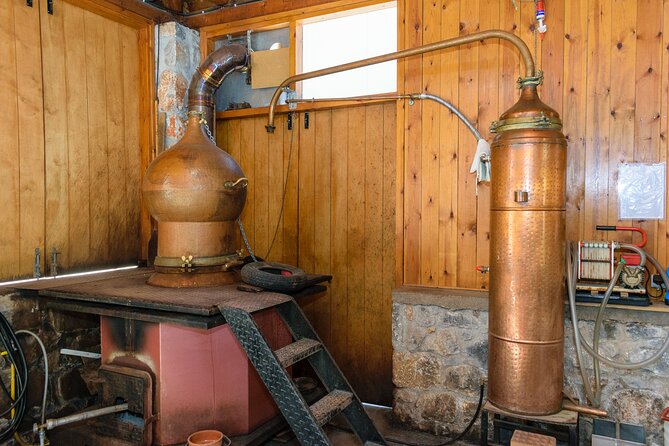
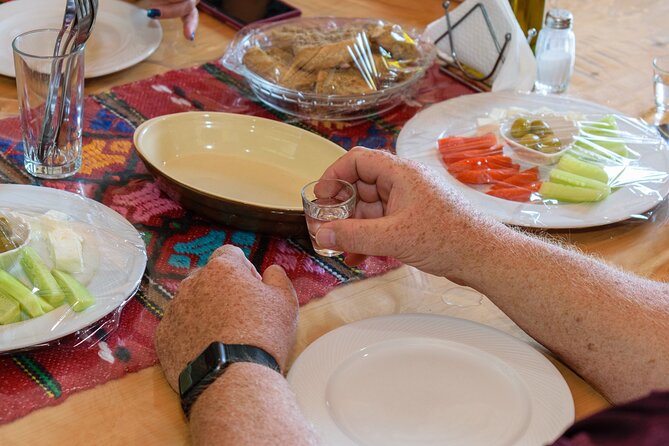
The first stop is Peroulakis Distillery, where you learn about the local “spirit” in a raki distillery. You’ll get a tour and tastings tied to the drink your ancestors built their days around, then you’ll head out with a clearer sense of what you’re smelling and sipping.
Why this stop works as a start: raki is deeply tied to the culture, but it can feel mysterious if you just see a bottle in a shop. Here, you’re given the story behind the spirit, and that helps the later tastings make more sense as part of the same food-and-drink ecosystem.
You’ll have about 1 hour 45 minutes at this first stop window, and the admission ticket is included, along with the tastings and your guide-led time. Since alcoholic beverages are included, it’s a good idea to eat first in the lineup and take your time. If you’re not a heavy drinker, you can still enjoy the tour and taste portion without pushing it.
Tsivaras olive mill: learning Crete’s gold isn’t just a product
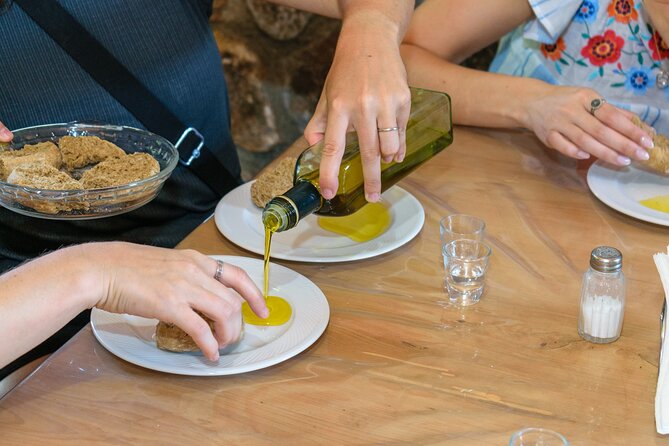
Next comes Tsivaras, an olive mill visit focused on Crete’s famed olive oil. This stop is about learning how “gold” gets made—what goes into turning fruit into a kitchen staple you’ll recognize instantly when it hits your bread.
The useful detail here is that this isn’t just a branding moment. When you see the milling process and hear how oil is produced, you start noticing quality differences later—like how oil tastes grassy or peppery, or how it behaves when used in simple dishes.
You’ll have about 1 hour 25 minutes here, and the admission is listed as free. You might not think that changes anything, but it does: it means the price you paid isn’t just covering transport and lunch. It’s also covering a structured learning stop, with time to actually absorb it before you move on.

Vryses cheese factory: Graviera, Mizithra, Anthotiros tastings
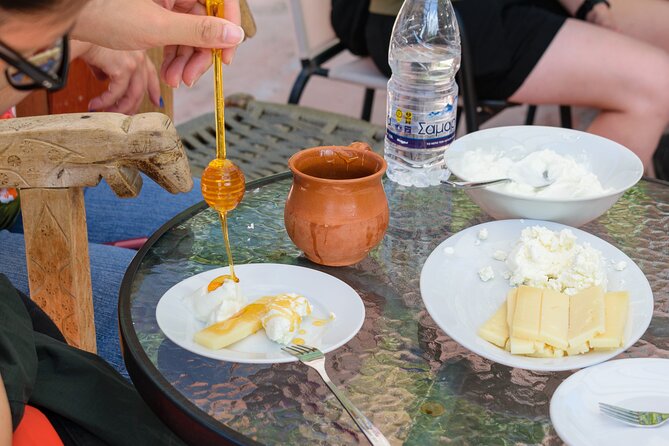
After olive oil, you shift into dairy at Vryses, a cheese factory where you taste Graviera, Mizithra, or Anthotiros varieties. This is one of the most satisfying parts of the day because the tasting is tied to specific cheese names, not generic samples.
Why I like this kind of stop: cheese is hard to shop for blindly. You can read a menu or see a package, but factory tastings help you understand texture and flavor in real time. Even if you don’t buy much afterward, you’ll leave with a mental map of what these cheeses taste like.
You’ll spend about 1 hour 5 minutes at this stop, and admission is free. Plan for the fact that dairy pairings often come with a range of flavors, from salty to tangy to creamy. If you’re lactose sensitive, tell your booking team ahead of time so the guide can help you navigate tastings safely.
Fres lunch: traditional dishes in a picturesque village
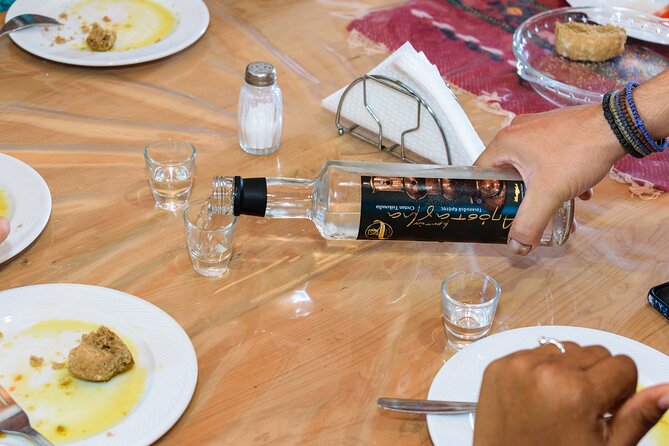
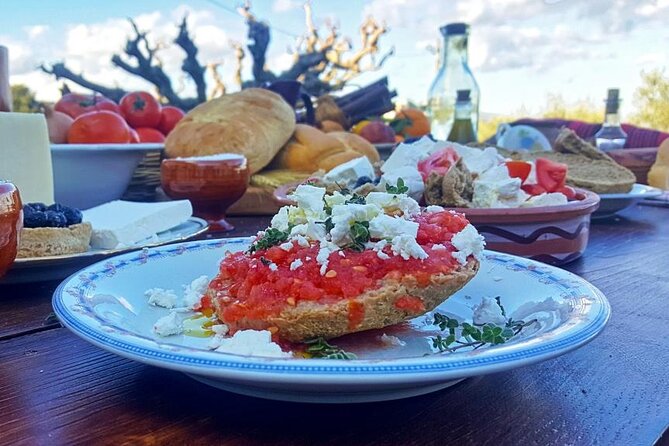
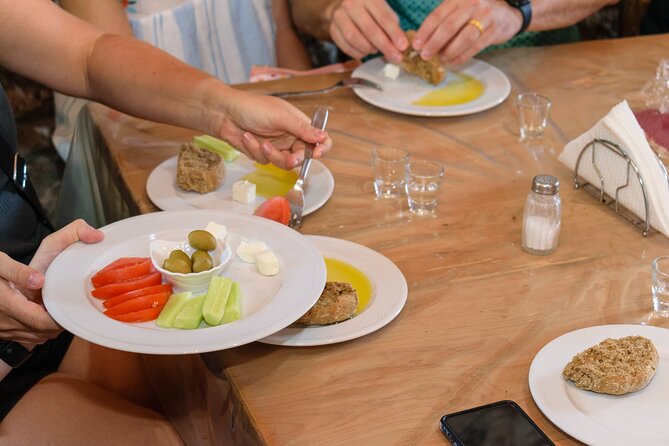
Lunch happens at Fres, a village stop designed around traditional food. You’ll have about 1 hour 45 minutes for this break, and lunch is included.
This is the moment where the tour stops feeling like a checklist and starts feeling like a real day in Crete. A good village lunch does two things: it gives you energy so the rest of the tastings land better, and it lets you see how locals eat when they’re not doing a tourist menu.
Because lunch is included, you won’t feel forced to make extra purchases just to have a full meal. That’s strong value, especially with alcohol tastings earlier in the morning. If you have dietary restrictions or allergies, this is also the part where it matters most that you told the team when booking, so the kitchen can plan for you.
Also, keep in mind what’s not included: additional food and drinks beyond lunch and the tastings. If you want water, you’re covered with bottled water per person, but you may pay extra for anything above that.
The transport and guide factor: what you’re really paying for
At $138.18 per person, you’re not paying just for food. You’re paying for a guided route that covers multiple producers, with admissions where required, plus an AC vehicle and bottled water. You’re also paying for convenience you’d otherwise have to solve yourself with rental car time, local driving, and figuring out who does tastings on which days.
Here’s the breakdown of value in plain terms:
- You get tours and tastings at multiple stops, including admission at the distillery.
- You get lunch and a structured break at Fres.
- You get English-speaking local driver/escort support, which makes the learning part actually land.
- You get all fees and taxes included, so there aren’t surprise line items tied to entry.
The small-group cap of 20 is another hidden value. It tends to mean better pacing. You’re less likely to feel like you’re being rushed from one room to the next just to satisfy a schedule.
And one more plus from how this tour runs in practice: a great escort can turn a standard lineup into something memorable. In one private experience led by Yannis, the group also got an extra church stop built into the mountain and additional time at a bakery. Those add-ons may not be guaranteed for every run, but it’s a reminder that the guide’s choices can deepen the day beyond the basics.
Food tasting strategy: how to enjoy everything without feeling stuffed
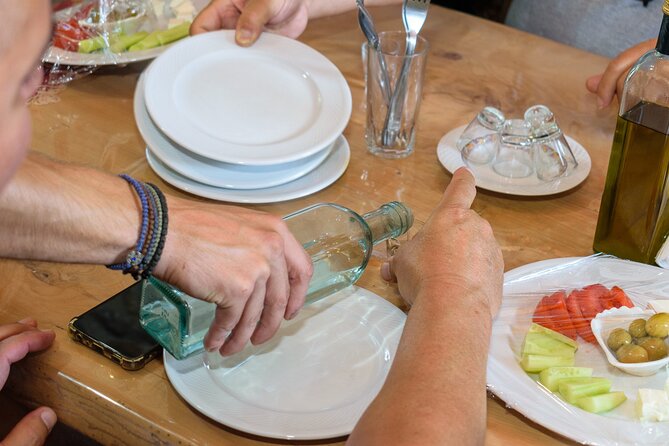
This tour covers three major food themes—raki, olive oil, and cheese—then adds lunch. That’s a lot of intensity in one day, so smart pacing is your friend.
A few practical ideas:
- Go slow during alcohol tastings. You can enjoy the guided explanation even if you take smaller sips.
- Use lunch like a reset. Eat enough to balance the morning, especially if you plan to purchase anything afterward.
- Ask questions at each stop. The tasting notes you remember are often tied to the explanation your guide gives, not just what you taste.
If you’re traveling with allergies, do not rely on memory or hope. Notify the operator of your restrictions when you book. The tour explicitly asks you to share dietary restrictions, food allergies, or health concerns, which is exactly what you want when the day includes alcohol and multiple tasting stations.
Also, bring common-sense comfort items. The schedule moves, and you’ll likely be doing some walking inside production spaces and around village locations.
Weather and timing: the two things that can change your day
The tour requires good weather. That matters because a village-focused day depends on conditions for comfortable movement and stop timing. If the weather doesn’t cooperate, you’ll be offered a different date or a full refund.
Time-wise, the tour is built for mornings and mid-day rhythm. With an 8:00am start, you’ll want to be ready early. If you’re slow getting going or you’re coming from somewhere far from the meeting point, factor in buffer time so you don’t start the day stressed.
Who this tour is best for (and who might skip)
This is a strong fit if you want food culture without DIY planning. You’ll like it if:
- You enjoy guided production tours where you learn how ingredients are made.
- You want a mix of tastings and an included meal rather than snack-sized bites.
- You’re visiting Chania and want to see more than just the harbor streets.
It’s also a good option if you’re traveling with others who eat differently. Even with the focus on cheese and olive oil, you’re not stuck eating only one thing all day, and you can tell the team what to avoid.
You might want to think twice if you strongly dislike alcohol tastings or if you get miserable in vehicles for long stretches. Remember, you’re spending roughly 1 hour 45 minutes on transfers, and your schedule is built around that movement.
Should you book the Food Tasting Tour of Chania Villages?
If you want a half-day that mixes learning with real tastings, this booking makes sense. The price feels fair when you look at what you get: producer visits, tastings, lunch, AC transport, and a local English-speaking escort handling the route for you.
I’d book it if you’re excited by raki distillery culture, olive oil craftsmanship, and cheese tastings named by variety. I’d also book it if you like the idea of a small group (max 20) where you can ask questions and actually hear the explanations.
I’d hesitate only if weather is a gamble for your dates or if long transfers would ruin your vibe. If you’re okay with that, you’ll come away with flavors you can describe clearly and a better sense of how Crete’s everyday foods get made.
FAQ
How long is the Chania villages food tasting tour?
It lasts about 6 hours total, starting at 8:00am. Transfers between stops are included in that time.
What’s included in the price?
The tour includes lunch, an air-conditioned vehicle, alcoholic beverages, all fees and taxes, bottled water per person, and an English-speaking local driver/escort. Tastings and tours at the stops are included.
Are admission tickets included at all stops?
Admission is included for the Peroulakis Distillery stop. The olive mill (Tsivaras) and the cheese factory (Vryses) are listed as admission free.
Is lunch included, and what about extra meals?
Lunch at the Fres village stop is included. Additional food and drinks beyond that are not included.
What if I have dietary restrictions or allergies?
You should notify the reservation team about dietary restrictions, food allergies, or health concerns when booking. The tour specifically requests this so they can help make your tasting and lunch experience safe and enjoyable.
Is the tour affected by weather?
Yes. The experience requires good weather. If it’s canceled due to poor weather, you’ll be offered a different date or a full refund.
More Tour Reviews in Crete

Eat Your Way Round Crete



Fresh Off the Boat: Newest Crete Reviews


Cretan Food Tastings, compared.
 ★ 4.9Sunset or Morning Quad with Local Products TastingFrom $941,135 reviews
 ★ 4.9Quad Safari, Olive Mill with Tasting & Ghost VillageFrom $931,004 reviews
 ★ 4.6From Chania: Olive Oil, Wine, Cheese & Honey Tasting TourFrom $49490 reviews
 ★ 4.9Chania: Old Town Highlights Guided Tour with Street FoodFrom $106407 reviews
 ★ 4.8From Chania: Wine and Olive Oil Tasting Tour with SnacksFrom $141354 reviews
 ★ 5.0Walking “Food tasting tour” in the town of ChaniaFrom $105297 reviews
 ★ 5.0Full-Day Cretan Wines, Olive Oil, Raki and Food TourFrom $141264 reviews
 ★ 5.0Olive Oil Tasting TourFrom $19195 reviews
Browse the lists this tour appears in