Review · CRETE
Archaeological and Natural Beauties of South Central Crete
Three stops, one Minoan heartland. This 8.5-hour South Central Crete day ties together Gortyn, Phaistos, Matala, and Zaros into a smooth route through Roman and Minoan eras. I love the Gortyn Law Code stop, because it makes ancient rules feel tangible. I also love the Matala break with free time to swim in clear water.
The guide work is a big part of why this day lands well. You could be with guides such as Sophia, Angeliki, Irini, or Rita, and the common thread is clear, careful explanations and a pace that doesn’t feel like you’re being herded along.
One possible drawback is the pace. It’s a packed route, so if you’re hoping for long, slow hangs at each place, you may feel the schedule moving on.
In This Review
- Key highlights to expect
- From Heraklion to the Mesara Valley: how the route connects eras
- Gortyn’s Roman heart and the Gortyn Law Code
- Phaistos Palace: Minoan power in the Mesara valley
- Matala: ancient port roots with time to actually swim
- Zaros and Lake Votomos: monasteries, spring water, and trout meals
- What you’re really paying for: value at $129 per person
- How guides make or break this kind of day
- Who should book this, and the one clear caution
- Should you book this South Central Crete day trip?
- FAQ
- Where do I meet the guide in Heraklion?
- What’s included in the price?
- What is not included?
- Is lunch included at Matala?
- How much time do we have at Matala?
- What stops does the tour include?
- What time does the tour start and when do we return?
- What languages are the live guides available in?
- Is pick-up/drop-off transfer included?
- Is the tour suitable for mobility impairments or unaccompanied minors?
Key highlights to expect
- Gortyn Law Code: carved stone laws that make the past feel real and specific
- Phaistos Palace: a major Minoan center in southern Crete, worth seeing in person
- Matala’s ancient port: built for boats, now set up for swimming and downtime
- Zaros spring-water culture: a calm village known for fresh spring water and its monasteries
- Lake Votomos trout meals: farm-raised trout shows up in local tavernas around town and the lake
Still weighing it up? A handful of other Crete trips worth a look beside this one.
- Heraklion: Dia Island Sailboat Cruise with Swimming and Meal
★ 4.8 · 2,579 reviews - Heraklion Area: CRETAquarium Admission Ticket
★ 4.4 · 2,055 reviews - Crete: Palace of Knossos E-Ticket and Audio Guide
★ 3.8 · 1,540 reviews - Crete: Sunset or Morning Quad with Local Products Tasting
★ 4.9 · 1,135 reviews
From Heraklion to the Mesara Valley: how the route connects eras
This tour is built like a time-travel drive through central Crete. You start in Heraklion early, then work your way south into the Mesara valley for two of Crete’s biggest name-site experiences: Gortyn and Phaistos. After that, you shift toward the coast with Matala, and finish in Zaros for a quieter, more village-style end to the day.
You meet your guide across from the Heraklion Archaeological Museum, in front of Hari’s Creperie, and you’ll have an air-conditioned motorcoach for the ride. The whole day runs about 8.5 hours, typically from 08:30 to around 17:00, which is a solid amount of time for hitting four very different places without needing to rent a car.
If you care about interpretation (not just sightseeing), pay attention during the drives. Several guides are praised for turning the scenery out the window into a way to understand what you’re actually seeing on the ground—history, geography, and why these towns mattered.
Gortyn’s Roman heart and the Gortyn Law Code
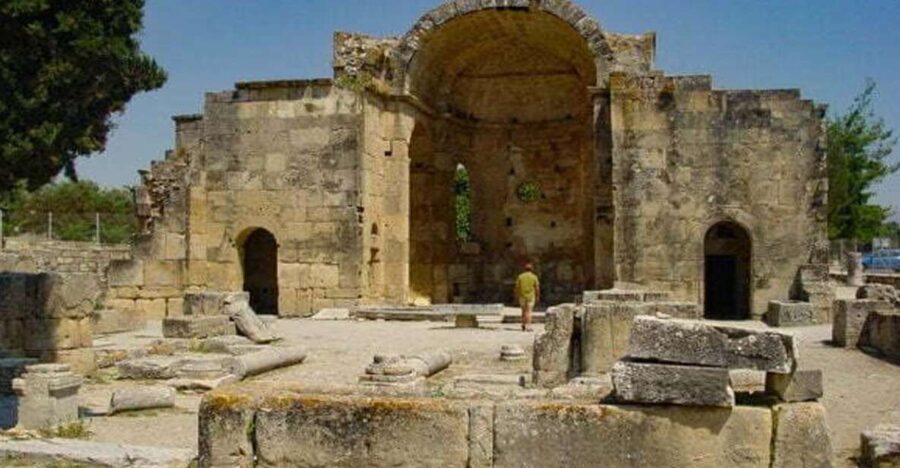
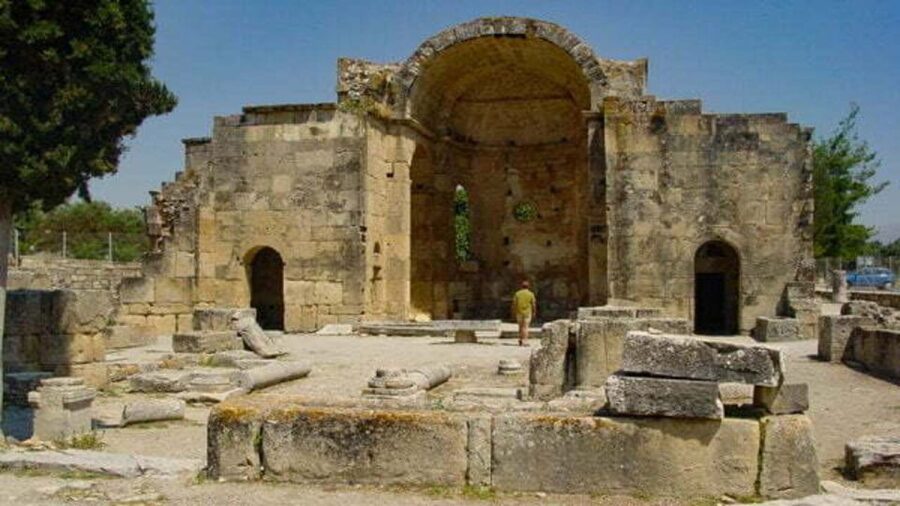
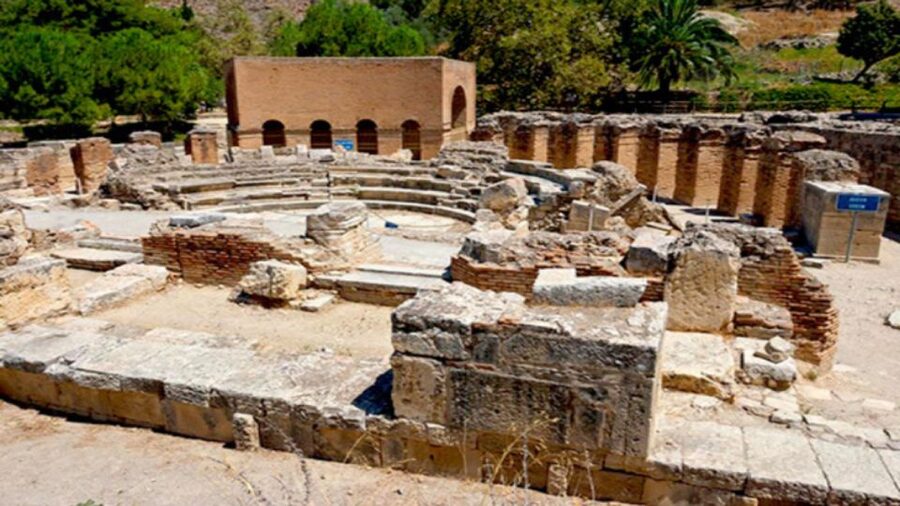
Gortyn is the kind of site where you quickly feel you’re in the middle of real life from long ago, not just ruins arranged for postcards. You’ll first see it as a Roman capital area—Gortyn was described as the Roman capital of Crete and Cyrenaica—and you’ll also learn it was inhabited since around 3200 BC. That long timeline matters because it helps explain why layers of settlement end up in the same place.
The main moment here is the Gortyn Law Code, one of the highlights of the tour. Even if you’re not the type to study inscriptions closely, it’s one of those stops that gives you context for daily life: rules, organization, and how a society structured itself. Standing there, you get a more grounded feeling than you would from a quick museum glance.
Practical note: you’ll want comfortable shoes. Archaeological sites can mean uneven ground, steps, and time spent looking down and up while the light changes.
Phaistos Palace: Minoan power in the Mesara valley
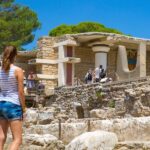
After Gortyn, you head through the Mesara valley—Crete’s agricultural heart—on the way to Phaistos. This is where the day leans hard into the Minoan story. Phaistos is described as one of the most important centers of Minoan civilization, and the palace complex is framed as the wealthy and powerful city in southern Crete.
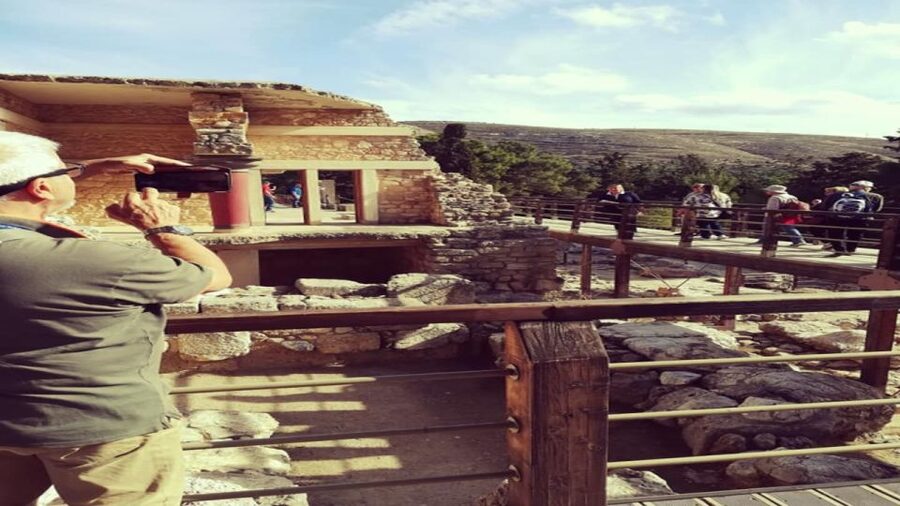
Why this stop feels so satisfying is the scale of ideas. You’re looking at a palace-centered world: administration, influence, and a society sophisticated enough to leave behind architecture that still communicates status. The guided interpretation is the difference between wandering aimlessly and actually understanding what you’re seeing: which parts relate to the palace function, how the complex worked, and why Phaistos is a key reference point for Crete’s Minoans.
There’s also a pacing advantage here. The tour plan gives you a focused visit at Phaistos before breaking for coastal time. That means you can give your attention to the stones and plans without the day’s later swim plans tugging at your mind.


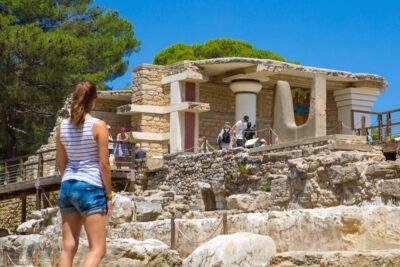
Matala: ancient port roots with time to actually swim
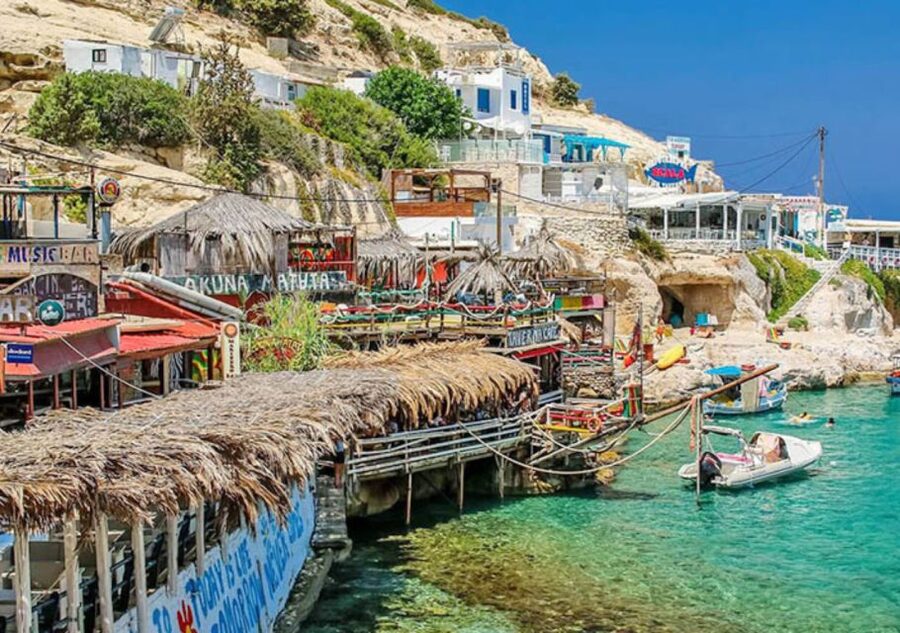
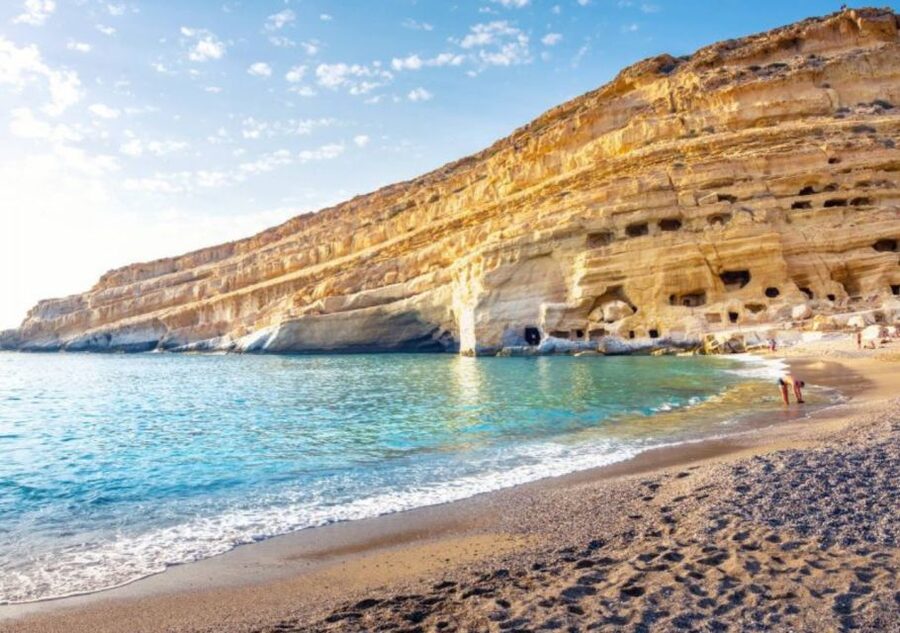
Matala is one of those places that makes sense the moment you arrive: it’s known as the village of hippies, but it also carries deep older roots as the ancient port of Phaistos and Gortys. That mix—counterculture reputation plus ancient coastal purpose—gives the town a sense of continuity even when the centuries change.
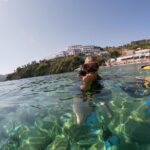
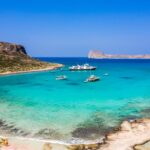
On this day, Matala isn’t just a walk-through stop. You’ll get free time, including the chance to swim in crystal-clear water. This is the payoff if you want Crete’s sites but still want your day to feel like a day, not just a history lecture on a schedule.
Lunch is optional here. You might spend extra time lingering with a meal, or you can keep it light and use the food break as a fuel stop before your next, calmer section of the day.
One small tip: bring whatever you need for the swim (and plan for changing conditions). The value of Matala on this tour is not that it’s scenic from a distance—it’s that it gives you a window to cool off.
Zaros and Lake Votomos: monasteries, spring water, and trout meals
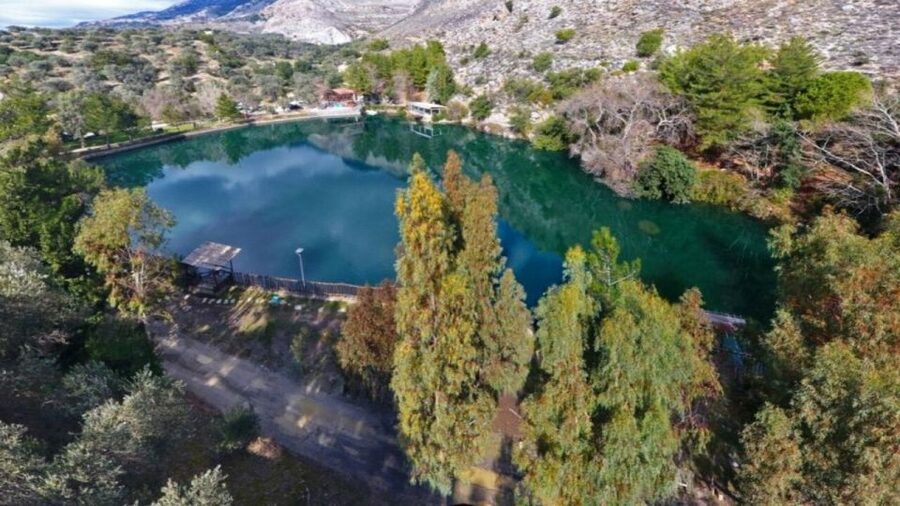
After Matala, the tour moves to Zaros, described as attractive and refreshingly unspoiled. This is a very different feel from the palace ruins and the coastal swim break. Zaros is famous for its spring water, which is now bottled and sold all over Greece, and it’s also a good base for walkers exploring the surrounding nature.
The Byzantine monasteries are a key part of the visit. This is a nice contrast to the earlier stops because it shifts you from the Minoan-and-Roman story into later religious and cultural layers. You get variety without losing the thread: Crete keeps reinventing itself, and the religious architecture is one of the clearest ways to see that.
Then comes the lake moment. Lake Votomos is described as emerald-green, and it’s part of the final scene-setting before the day ends back in Heraklion. You’ll have local food options in the area too. Farm-raised trout is served up in tavernas around town and also around the lake, so the finish can be both scenic and practical if you’re hungry.
If you’re the type who likes to end a day with something quieter than monuments, Zaros does that job well. You’re not racing a checklist anymore—you’re absorbing a village rhythm.
What you’re really paying for: value at $129 per person
At around $129 per person, this tour’s value comes from the mix of guided interpretation plus transportation across multiple regions. You get an air-conditioned motorcoach, a professional guide, and VAT and legal taxes are included. That matters because you’re not paying separately for each leg between sites.
Lunch is not included during the meal period (it’s listed as 20.00 €), and drinks are also not included. So budget for that if you want a sit-down meal at Matala. You’ll also need to arrange your own transfer to the meeting point in Heraklion, since pickup/drop-off transfer isn’t included.
Where the price starts to make sense is in what you avoid. Without a tour, you’d need either a rental car and planning time, or a patchwork of local buses and tickets. Here, the day is packaged into one organized route that keeps the order logical: Gortyn to Phaistos for ancient Crete depth, Matala for water time, Zaros for monasteries and a calmer end.
Also, the guide lineup across languages is a plus if you’re booking outside English. Live guiding is available in Spanish, English, French, and Italian.
How guides make or break this kind of day
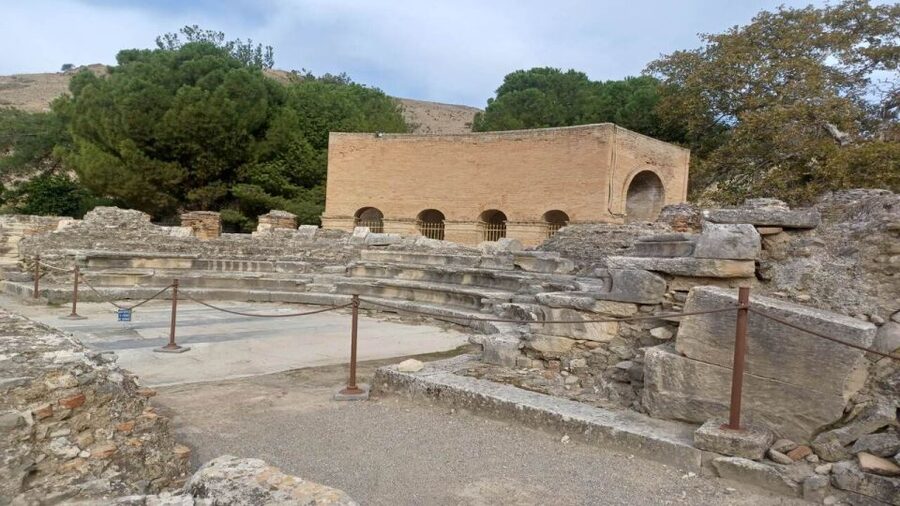
This is the sort of itinerary where the guide really matters. You’re walking through sites that can feel like scattered stones unless someone connects them to the bigger picture.
The best guides for this route are the ones who do three things well:
1) explain what you’re looking at without rushing
2) give you enough context to understand why the site matters
3) connect the car-window geography to what’s ahead
You’ll also benefit from arriving on time. The early start means you’ll get full value from the morning sites before the day turns into coast and village.
If you want to get more out of the day, ask simple questions as you move between stops. For example: which part of a palace complex was most important, or what life was like in a port town like Matala when it served the Minoans.
Who should book this, and the one clear caution
This trip is a strong match if you want:
- Minoan and Roman-era context in one focused day
- a real break to swim at Matala, not just a quick stop for photos
- a softer ending in a working village like Zaros, with monasteries and Lake Votomos
It’s not a good fit if you need accessibility accommodations. The tour is listed as not suitable for people with mobility impairments, so check alternatives if that applies to you.
And remember the main caution: it’s an active, time-driven schedule. You’ll see a lot, but you won’t linger for hours at any one place. If that sounds good, this tour is likely to feel efficient in the best way. If you’d rather slow-travel, you may feel the limits.
Should you book this South Central Crete day trip?
If your ideal day includes ancient sites plus an actual swim break, this is an easy yes. The route makes sense, the stops are varied, and the quality of the guidance is repeatedly highlighted through guides like Sophia, Angeliki, Irini, and Rita—especially for pacing and clear explanations.
Book it if you’re happy doing a full day out of Heraklion and you like structure. Skip it if you want maximum downtime or if mobility is a concern.
FAQ
Where do I meet the guide in Heraklion?
You meet across from the entrance of the Heraklion Archaeological Museum, in front of Hari’s Creperie, Heraklion.
What’s included in the price?
The tour includes an air-conditioned motorcoach, a professional guide, and VAT and all legal taxes.
What is not included?
Lunch at the restaurant during the meal period (20,00 €), drinks and beverages during the meal, and anything not specified as included are not included.
Is lunch included at Matala?
No. Lunch in a restaurant during the meal period is listed as 20,00 € and is not included in the tour price.
How much time do we have at Matala?
You’ll have free time in Matala, including the opportunity to swim in crystal clear waters.
What stops does the tour include?
The tour includes Gortyna, Phaistos, Matala, and Zaros, plus Zaros includes a visit to Lake Votomos.
What time does the tour start and when do we return?
You meet at 08.30 and you return to Heraklion at around 17:00.
What languages are the live guides available in?
The live tour guide is available in Spanish, English, French, and Italian.
Is pick-up/drop-off transfer included?
No. Pick-up/drop-off transfer is not included.
Is the tour suitable for mobility impairments or unaccompanied minors?
No. The tour is not suitable for people with mobility impairments, and unaccompanied minors are not allowed.