
Review · WHITE MOUNTAINS & VILLAGES
Traditional Villages of Kritsa and Kroustas
Crete village life in just one afternoon. I love the chance to slow down in Kritsa’s lace and handicrafts and then switch gears to Byzantine church murals near Panagia Kera; it’s a nice combo of handmade culture and real art. One thing to weigh: you’ll spend a lot of the day in transfers (about 1 to 1.5 hours each way), and a couple of entry fees may apply.
In practice, this is the kind of trip that works well when you want variety without overplanning: old churches, a Doric city-state ruin, then two very different villages with food stops. The group stays small (max 8 travelers), and the drive often comes with friendly explanation from the driver—on one recent ride, Christos stood out for how clearly he connected the dots between the places.
If you’re the type who likes photo stops, wandering narrow lanes, and then eating what locals actually eat, you’ll probably have a great time. If you hate winding rural roads or want a full sit-down lunch included, this may feel a bit too hands-on.
In This Review
- Key things to know before you go
- Kritsa and Kroustas in one day: six hours that feel like two villages
- Price and logistics: what you pay for, and what costs extra
- Getting there: pickup, drive time, and a comfy max-8 group
- Panagias Keras Church: Byzantine wall paintings on a short visit
- Archaia Poli Tis Lato: Doric city-state ruins with Mirambello Bay views
- Kritsa village walk: lace making, narrow lanes, and the real Cretan street scene
- Kroustas village food and wine: cheese pies, goat, honey, pastries, and local grapes
- What’s included on the ride: water, soda, and how to plan meals
- Best fit: who will enjoy this tour the most
- Should you book Traditional Villages of Kritsa and Kroustas?
- FAQ
- How long is the Traditional Villages of Kritsa and Kroustas tour?
- Does the tour include pickup?
- What are the main stops on the itinerary?
- Are entrance fees included?
- Is lunch included?
- What food should I expect in Kroustas?
- How many people are on the tour?
- What is included during the tour?
- What happens if the weather is bad?
Key things to know before you go
- Small group, max 8: easier conversation and fewer crowds at the stops.
- Two villages with very different vibes: Kritsa feels craft-and-streets; Kroustas leans toward food, honey, and tavernas.
- Strong art stop, short time: Panagias Keras takes about 30 minutes but centers on well-preserved wall paintings.
- Ancient ruins with a view: Archaia Poli tis Lato sits high and looks out toward Mirambello Bay.
- Local tasting opportunities: myzithropites, ftazymo bread, aiga vrasti, plus pastry and wine from nearby varieties.
More around Agios Nikolaos and Mirabello Bay
- Crete: Day Trip to Agios Nikolaos and Spinalonga Island
★ 4.6 · 4,416 reviews - Agios Nikolaos: Boat Trip to Spinalonga with Swim Stop
★ 4.4 · 3,031 reviews - From Ag. Nikolaos: Spinalonga & Kolokytha Cruise with Lunch
★ 4.2 · 735 reviews - Agios Nikolaos: Semi-Submarine Cruise
★ 4.1 · 670 reviews
Kritsa and Kroustas in one day: six hours that feel like two villages
This tour is built for people who want more than one postcard moment. In about six hours, you cover a church with major Byzantine-style wall paintings, the ancient site of Lato (a Doric city-state), and then the villages of Kritsa and Kroustas. It’s not rushed like a checklist, but it’s also not a long stay where you could wander slowly for hours in just one place.
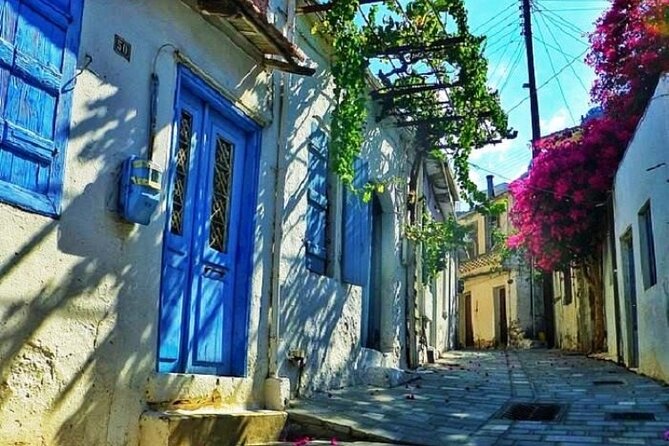
The value here is the mix. Kritsa gives you the texture of daily life: narrow lanes, old buildings, textile and craft shops, coffee shops, and Byzantine temples. Kroustas shifts to a more food-forward, countryside mood—small streets, stone houses, and nearby beekeeping culture. You’re also given enough time at each stop to do something simple but satisfying: walk, look around, and decide where you want to spend your money (usually in the food and drink).
If you’re worried about fitting it all in, you probably don’t need to be. The schedule is set up so you can enjoy each segment without feeling like you’re sprinting across Crete. You’ll do some driving, yes, but the stops are grouped in a way that makes sense for a half-day outing.
Price and logistics: what you pay for, and what costs extra
The tour price is $69.46 per person. For that, you’re getting a guided route, pickup offered, and basic refreshments on board (bottled water plus soda/pop). You’re also getting mobile ticketing, which is handy when you’re juggling sunscreen, snacks, and your phone battery.
What’s not included is the part that often surprises people: lunch in Kroustas and some entrance fees. The data lists Panagia Kera and Lato with small fees (both shown as 3 euros each). At the same time, the stop timing for Panagias Keras notes admission as free. So I’d plan like an adult and carry a few euros just in case the church entry is ticketed when you arrive. That’s the safest move.
Also note what the day doesn’t provide: you choose your lunch. That can be a plus if you want control over what you eat and how much you spend. It’s a drawback if you want a packaged meal experience. Either way, you’ll likely end up eating in Kroustas, because that’s where the tour’s food focus lives.
Getting there: pickup, drive time, and a comfy max-8 group
Transfer time to and from the sites is about 1 to 1.5 hours, depending on traffic. That travel block is part of the experience—Crete is not a flat grid of attractions. You’re driving out toward village lanes, countryside roads, and older settlements. If you’re prone to car-sickness, bring what you need.
The group size matters more than people think. This is small (maximum 8 travelers), which usually means less standing around and less waiting at viewpoints. It also makes it easier for the driver to adjust the timing slightly if your group moves slower or wants a longer look at a shopfront or church detail.
One thing you’ll want to remember: this is a pickup-oriented tour, starting at Andrea Papandreou 36, Schisma Elountas 720 53, Greece, and returning to that same point. If you’re staying nearby, it’s convenient. If you’re farther away, you’ll want to plan your morning so you’re ready for pickup without stress.
Into the White Mountains and the old villages
Panagias Keras Church: Byzantine wall paintings on a short visit
Stop 1 is Panagias Keras Church, about 500 meters from the settlement of Kritsa. This is a three-aisled, barrel-vaulted church with a dome on the nave. In plain language: it’s a church where the architecture is interesting, but the real draw is what’s inside the walls.
This place gets attention because the wall paintings are described as extensive and well-preserved, and they come from various periods of Byzantine art. That means you’re not looking at one thin layer of decoration. You’re seeing a visual timeline—people returning to a sacred space over time and updating the art as styles changed.
The time here is about 30 minutes, so don’t treat it like a museum you need to conquer. Instead, treat it like a focused art stop:
- Step inside and scan the wall paintings first.
- Then pick one section to spend extra time with.
- Finally, enjoy the way the church’s layout shapes how you see the art.
A practical note: admission is listed in the tour info as 3 euros for Panagia Kera. Plan to have a few euros available just in case, even if a free-entry note appears somewhere else. Either way, it’s a strong art stop for a relatively short time.
Archaia Poli Tis Lato: Doric city-state ruins with Mirambello Bay views
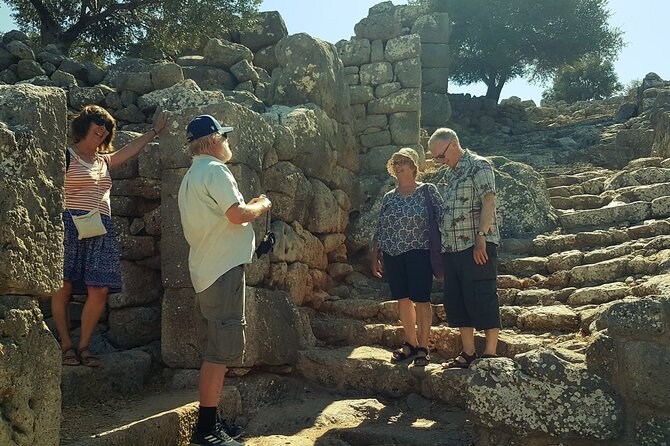
Stop 2 takes you to Archaia Poli Tis Lato, the remains of an important Doric city-state on Crete. Lato is built on a saddle between two hills, which is part of why it mattered: it had protection from possible attacks and offered a splendid view across the wider area of Mirambello Bay.
Even if you don’t think of yourself as an ancient-sites person, the view helps. Ruins can feel like piles of stone until you connect them to the geography. Here, the setting does that work for you.
A few specific details worth knowing before you walk around:
- Lato was named with the Doric connection in mind (Leto is related in the naming story).
- The main goddess worshipped in the city was Eileithyia, and she shows up on coins.
- Nearchos—connected to Alexander the Great’s era—was born here.
- The harbour of the city was Lato pros Kamara, linked to what’s now Agios Nikolaos.
- Over time, the administrative center shifted to the harbour area, and Lato was eventually abandoned.
The visit time is about 50 minutes. That’s enough to walk the key areas, take photos, and read a few interpretive points if they’re available on site. Entrance for Lato is listed as not included, with a 3-euro fee shown, so bring small change.
If the sun is harsh, save some energy for the uphill parts. The location between hills makes the walk feel more physical than it sounds.
Kritsa village walk: lace making, narrow lanes, and the real Cretan street scene
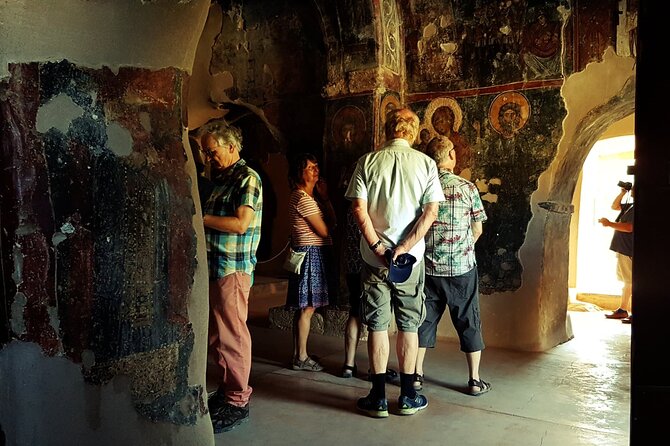
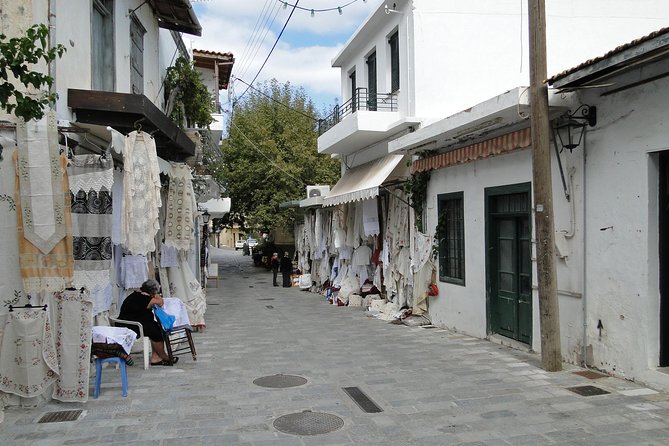
Stop 3 is Kritsa, with about 1 hour 30 minutes to explore. This village is famous for traditional lace making and handicrafts, and you’ll feel that in the shopfronts and textures of the streets.
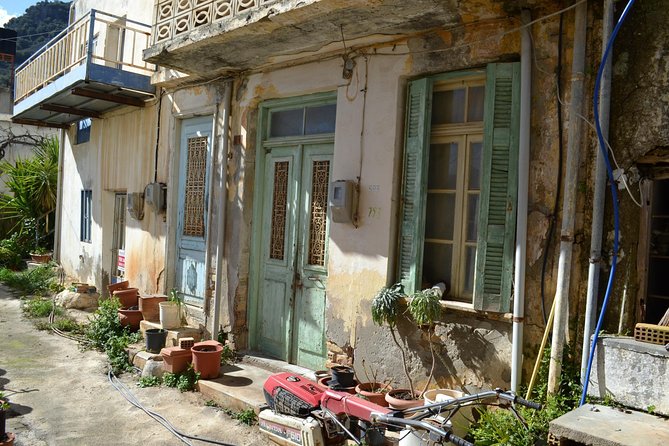
Kritsa is also described as having picturesque narrow streets and old buildings from a by-gone era. But it’s not a theme park. You’re walking through a village that still has textile shops, traditional coffee shops, folklore collections, and Byzantine temples.
That blend is exactly why Kritsa works in a short tour:
- Lace and crafts give you something tactile and specific to buy or photograph.
- The coffee shop culture tells you the village isn’t just for visitors.
- The Byzantine temple presence adds a spiritual and architectural layer that connects the village to older Crete.
A couple practical pointers make a difference here. In some visits, parking has been easy and free, and public toilets have been reported as clean and available. Also, Kritsa can look very “old village” in the best way, with beautiful houses and alleys—but you may also notice abandoned homes. That’s not a reason to skip it; it’s simply part of how villages age over time.
One more thing: Kritsa can be touristy in general, but crowds can vary a lot by month and time of day. If you want calmer lanes, use your time wisely—start with a slow stroll, then shop, then circle back to the main streets for photos.
Kroustas village food and wine: cheese pies, goat, honey, pastries, and local grapes
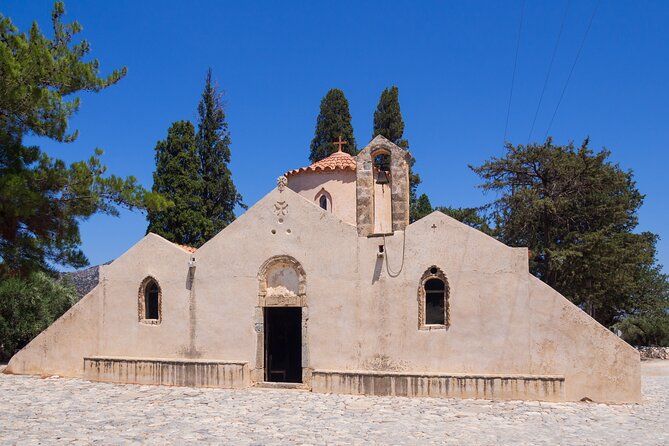
Stop 4 is Kroustas, a small village of around 500 residents, with about 1 hour 40 minutes. This part of the day feels more countryside and more social.
Kroustas is known for traditional cuisine, wine, and a festive atmosphere. You’re not just visiting a place; you’re approaching a place where people eat, talk, and keep village rhythm. There’s also strong beekeeping in the area, which matters because it usually shows up in local flavors and products.
If you’re hoping to taste the local classics, here’s what to look for:
- myzithropites, local cheese pies (the kind you can smell before you find the table)
- ftazymo bread
- aiga vrasti, boiled goat
- skioufihta, a traditional pasta dish
- kalitsounia, a sweet or savory pastry
Then there’s wine. Kroustas is described as known for excellent wine made from local grape varieties such as Liatiko and Mandilari. Even if you don’t plan to order wine, this is a good moment to ask what’s local right now and what pairs with the food.
Lunch is not included, so you’ll choose what to spend and what to eat. The upside is flexibility: you can go for something simple like pastries and bread, or make it a real meal with cheese pies or goat-based dishes. The downside is timing. Since you only have about 1 hour 40 minutes, it’s best to pick your tavern quickly once you get there, especially if you want dessert.
One more practical note: tavernas can have tempting menus, but you’ll get the most satisfaction if you order one dish that’s clearly local and one that’s easy for you to eat without waiting forever. You’re on a schedule.
What’s included on the ride: water, soda, and how to plan meals
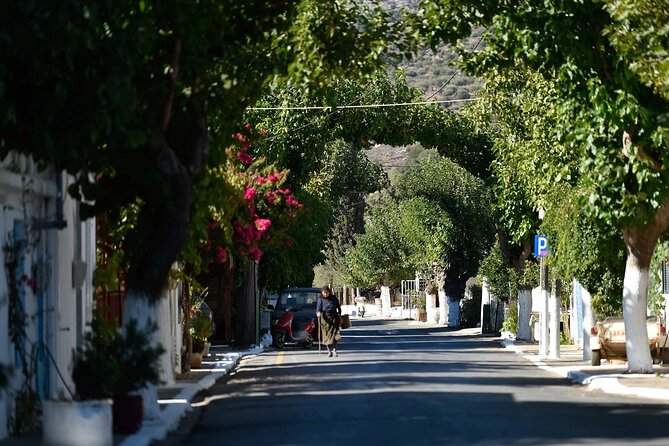
Included with the tour are bottled water and soda/pop, which is a simple but very real comfort on warm Crete days. I like having those on hand because it removes one small decision and keeps you hydrated during both the driving and walking parts.
What you should plan for:
- Bring cash or a card you can use for food in Kroustas.
- If you want local dishes beyond basic snacks, save room in your day.
- Consider bringing a light layer for shade. You’ll be in sun spots at ruins and church areas.
Since lunch isn’t included, your best strategy is to treat Kroustas as your main meal window. You can also make it a split plan: start with a pastry or cheese pie and then upgrade to a full plate if you still have time and energy.
Best fit: who will enjoy this tour the most
This is a great match for you if:
- You want village atmosphere but don’t want to drive yourself.
- You like hands-on culture: crafts, church art, and food you can name.
- You enjoy variety—church, ruins, and two villages in one outing.
- You prefer a smaller group where the driver can explain and adapt timing.
It may be less ideal if:
- You’re short on tolerance for driving time.
- You want a guaranteed packaged lunch at a set restaurant.
- You only care about one type of stop (either ancient ruins or food) and would rather spend more time there.
Because there are a couple possible entry fees and lunch is on you, it’s smart to budget slightly above the base price. That’s how you keep the day feeling easy instead of nickel-and-dime.
Should you book Traditional Villages of Kritsa and Kroustas?
If you want a half-day taste of inland Crete—craft lanes in Kritsa, old church art, a Doric ruin with big views, then Kroustas food and wine—this is a strong choice. The max-8 size keeps it friendly, and the itinerary hits several “types” of experiences without demanding an all-day commitment.
Book it if you’re the kind of traveler who likes to:
- walk narrow streets and browse small shops,
- see wall paintings that took generations to create,
- and end the day with local cheese pies, goat dishes, and pastry.
Skip it (or swap to a more focused plan) if you’re mainly chasing one thing—like only archaeology—or if you really need an included lunch and minimal walking. For everyone else, this is good value: you’re paying for convenience, variety, and a route that makes older Crete feel close.
FAQ
How long is the Traditional Villages of Kritsa and Kroustas tour?
It runs for about 6 hours.
Does the tour include pickup?
Pickup is offered, and the tour starts at Andrea Papandreou 36, Schisma Elountas 720 53, Greece. It also returns to the same meeting point.
What are the main stops on the itinerary?
You’ll visit Panagias Keras Church, Archaia Poli Tis Lato, Kritsa Village, and Kroustas Village.
Are entrance fees included?
Entrance fees are not included. Panagia Kera is listed as 3 euros, and Lato is also listed as 3 euros.
Is lunch included?
No. Lunch in Kroustas is not included.
What food should I expect in Kroustas?
Kroustas is known for local dishes and specialties such as myzithropites (cheese pies), ftazymo bread, aiga vrasti (boiled goat), skioufihta, and kalitsounia, plus local wine.
How many people are on the tour?
The tour has a maximum of 8 travelers.
What is included during the tour?
Bottled water and soda/pop are included.
What happens if the weather is bad?
The tour requires good weather. If it’s canceled due to poor weather, you’ll be offered a different date or a full refund.
More Tour Reviews in Crete
Into the White Mountains


Around Mirabello Bay


Fresh Off the Boat: Newest Crete Reviews
White Mountains & Villages, compared.
 ★ 4.9Quad Safari, Olive Mill with Tasting & Ghost VillageFrom $931,004 reviews
 ★ 5.0Knossos-Zeus Cave -Old Traditional Villages-Olive Oil FactoryFrom $136694 reviews
 ★ 4.9Chania: Authentic Cooking Class in the White MountainsFrom $129529 reviews
 ★ 5.0Wine & Olive Oil Tour with Lunch at Milia Mountain RetreatFrom $181194 reviews
 ★ 5.0Sea Kayaking Sfakia, CreteFrom $124172 reviews
 ★ 5.0Explore the White Mountains of CreteFrom $110150 reviews
 ★ 5.0Elafonisi & Milia Mountain – Jeep Tour with Loungers and LunchFrom $199124 reviews
 ★ 4.6From Chania: White Mountains Land Rover SafariFrom $100104 reviews
Browse the lists this tour appears in