Review · CRETE
Rethymnon Olive Tree Sponsorship Protect and Plant Tour
Olive trees meet your name.
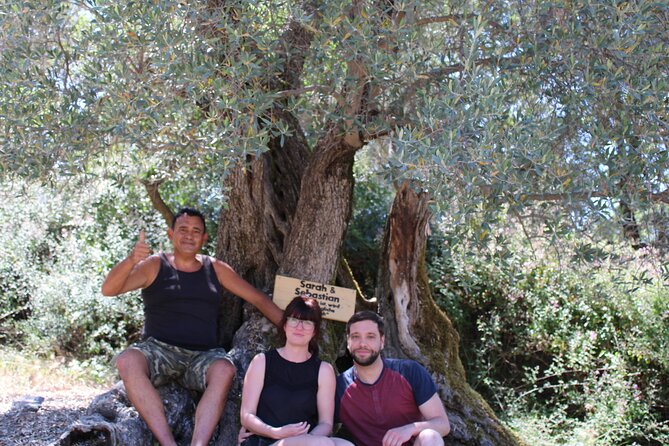
This olive tree sponsorship or planting outing turns a feel-good idea into a real, hands-on moment at a working grove. I like that you go from central Rethymno to the olive trees in a small, guided way, then you leave with both photos and a future connection to the project.
What makes it special is the ceremony feel without being cheesy: you attach your name tag to the tree, you toast together on-site, and you get photo/video support so the day doesn’t just disappear into your phone. I also like the conservation angle, because you’re not just buying symbolism—you’re connected to living trees and their genetic future.
One thing to consider: this is weather-dependent and you’re outdoors, so plan for a practical, walking-friendly session and avoid it if you’re looking for a fully indoor, low-sunshade experience.
In This Review
- Key things to know before you go
- Sponsorship or Planting: The Core Idea Behind This Olive Tour
- Meeting at Dimitrakaki and Getting to the Grove Smoothly
- Adding Your Name Tag, Then Toasting at the Tree
- Planting With the Cretan Lazarus Project: Why This Approach Matters
- What the Sponsorship Package Adds to the Day
- Price, Timing, and Value in Real Life
- Practical Timing and Weather Notes You Should Plan For
- Who This Fits Best (And Who Might Skip It)
- Should You Book This Olive Tree Sponsorship Protect and Plant Tour?
- FAQ
- Where is the meeting point?
- How long is the tour?
- Is the tour offered in English?
- Is this a private tour?
- Can I sponsor a tree or do I have to plant one?
- Will the team take photos and videos?
- Do I need to provide names for the plaque?
- What happens if the weather is bad?
- What is the cancellation policy?
Key things to know before you go
- Two choices in one tour: sponsor and name-tag a tree, or plant a tree through the Cretan Lazarus project
- Hands-on grove time: drive out, attach your plaque/name tag, and celebrate with a toast
- Photo and video included: you get time and support for lots of pictures
- Conservation with details: cuttings come from old monumental olive trees and at-risk varieties
- Private, small-group feel: only your group participates
Still weighing it up? A handful of other Crete trips worth a look beside this one.
- From Kissamos Port: Boat Cruise to Balos Lagoon & Gramvousa
★ 4.2 · 6,755 reviews - From Chania: Full-Day Samaria Gorge Trek Excursion & Guide
★ 4.6 · 3,191 reviews - Cretan Safari – 4×4 Adventure to Preveli Beach with Lunch
★ 5.0 · 780 reviews - Elafonissi Beach Day Trip from Chania -Stop in Elos Village
★ 4.5 · 744 reviews
Sponsorship or Planting: The Core Idea Behind This Olive Tour
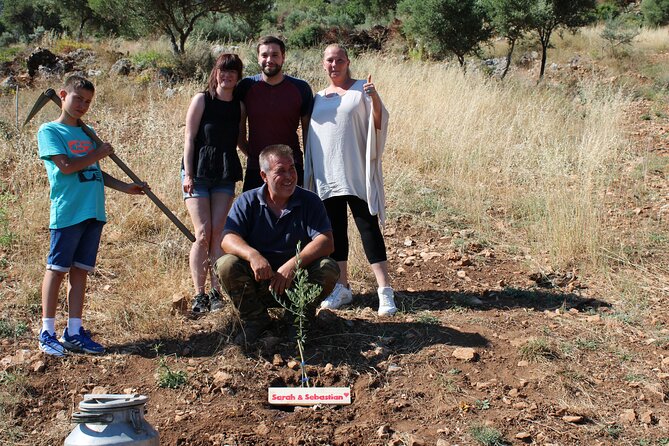
This experience is built around one simple thing: giving your name to an olive tree, either by sponsoring it or by planting one yourself as part of an ongoing Cretan project. If you want the easiest path, you’ll attach your name tag to a sponsored tree and take part in the on-site celebration.
If you want something more hands-on, you can plant an olive tree from the Cretan Lazarus program. The project uses cuttings drawn from the gene pool of old monumental olive trees and also from varieties that are threatened with extinction. That means your tree isn’t just a random planting—it’s part of a strategy to keep olive diversity alive.
What really helps is that the experience explains the why, not just the what. You learn that new plantings are grown so the trees are only two generations old at most, which ties directly to preserving genetic heritage rather than endlessly repeating the same stock.
Meeting at Dimitrakaki and Getting to the Grove Smoothly
The tour meets at Dimitrakaki 2, Rethimno 741 32, Greece, and it ends back at the same meeting point. You’ll want to be able to find the spot easily on foot or with help from nearby public transport, since the organizer notes it’s important to be mobile.
After you meet, the group drives together to the olive grove. This matters more than it sounds: olive trees are not in the middle of a town square, so the drive saves you the hassle of figuring out rural routes on your own. You’re also not rushed the second you arrive—you get straight into the grove experience.
The session runs about 2 hours 30 minutes in total, offered in English, with a mobile ticket. If you’re pairing this with other sightseeing in Chania/Rethymno region, it’s a good length: long enough to feel meaningful, short enough to keep your day flexible.
Adding Your Name Tag, Then Toasting at the Tree
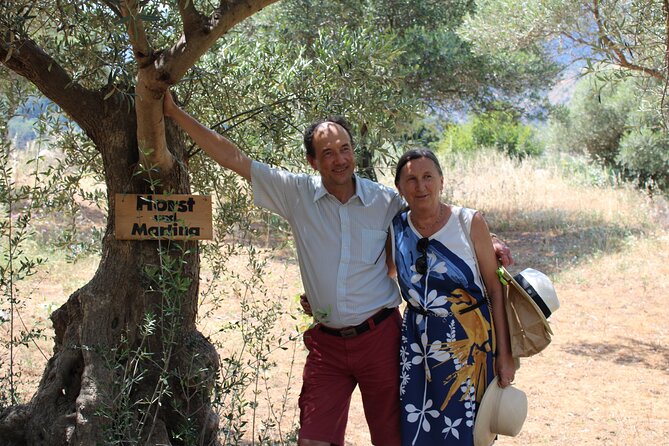
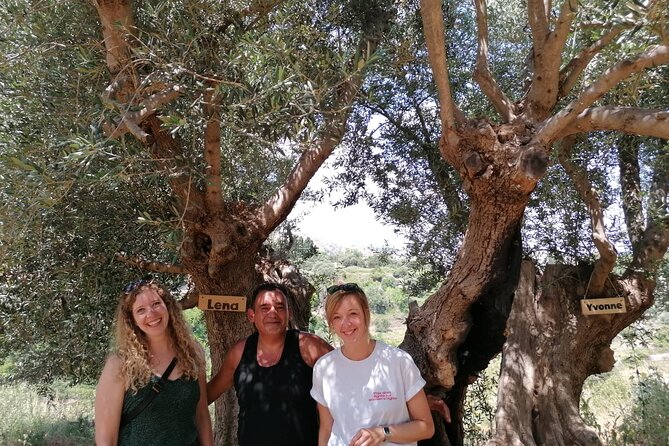
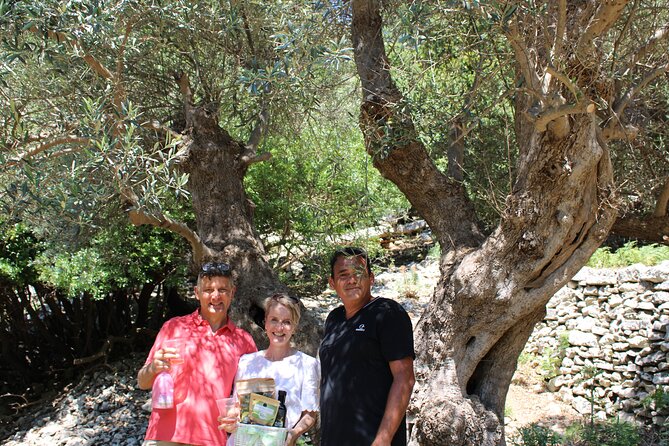
Once you reach the grove, you attach your name tag to your sponsorship tree. This is the moment that turns a donation into a personal story. You’re not only supporting an olive tree; you’re taking part in a visible marker of your role as a steward—something you can point to in photos and remember later.
You also get time for photos and even a video of your tree. On top of that, the team produces photos and videos for you as part of the experience. For a lot of people, this is what makes the tour feel “real”: you come away with actual visuals to share, not just a receipt.
Then comes the toast. It’s a small ritual, but it changes the tone of the outing from task to celebration. The team toasts with you at the sponsorship tree, and depending on the sponsorship you choose, you’ll also receive your sponsorship package after the visit.
A practical takeaway: if you care about the photos looking great, wear something you don’t mind getting olive-dust vibes on, and plan to arrive camera-ready. You’ll be outdoors for the key steps, and you’ll want your face and hands visible for the name-tag moment.
Planting With the Cretan Lazarus Project: Why This Approach Matters
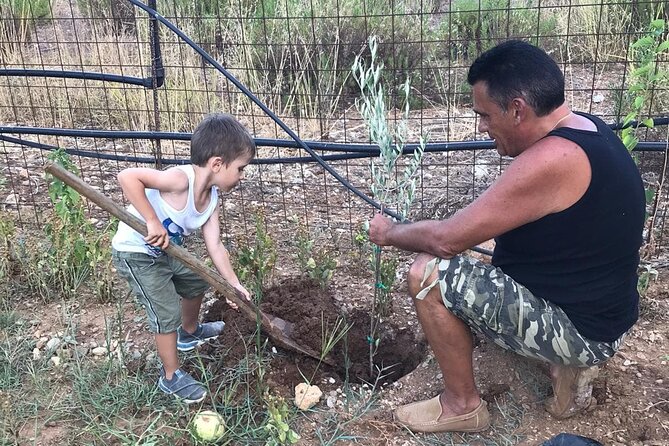
If you choose the planting option, you plant an olive tree from the Cretan Lazarus project while you’re out at the grove. The program’s focus is on pulling new cuttings from the gene pool of old monumental olive trees, plus varieties considered threatened with extinction.
That combination is important because it balances two conservation needs at once:
- keeping the legacy of old Cretan olives
- supporting varieties at risk of disappearing
The team also notes a breeding/growth detail that makes the planting feel more intentional: newly planted olive trees are grown so they’re only two generations old at most. In plain terms, it’s a way of keeping the genetic line closer to the original source rather than drifting over time.
If you’re the type who wants to understand your impact, this is the part that usually lands hardest. People tend to come away feeling proud, because the day teaches you what you’re helping protect: an ecosystem and a climate-connected crop that’s deeply tied to Crete.
One review highlight to keep in mind: multiple participants described learning about old olive trees and feeling proud to be a tree “keeper.” That sense of role is exactly what this planting path is designed to create.
What the Sponsorship Package Adds to the Day
Some tours stop at the grove and that’s it. This one includes a follow-through point: depending on your chosen sponsorship, you’ll receive a sponsorship package from the team. The exact contents aren’t listed here, so don’t assume every package is the same.
Still, it’s a meaningful value-add because it reinforces the idea that your support continues after you return from the olive grove. Think of it as extending the story beyond today’s photos.
If you’re considering this as a gift, this is also a strong angle. Reviews include wedding-day surprises and couples who planted together and protected their tree. That tells me the package and the tree connection can work well for special occasions, not just bucket-list volunteering.
Price, Timing, and Value in Real Life
At $141.78 per person for about 2 hours 30 minutes, this isn’t a budget activity. But it’s not a pure “watch and leave” tour either.
Here’s where the value usually shows up:
- you get drive transport from Rethimno to the grove and back
- you get name-tag placement on a tree (visible, photo-worthy, personal)
- you get photos and videos produced by the team, plus time to capture your own
- you get a toast and a structured moment at the trees
- if you choose planting, your day links directly to a specific conservation project (Cretan Lazarus)
For the price to feel right, ask yourself one question before booking: do you want your money to become a living, named tree and a real story you can revisit? If yes, the cost makes more sense.
If you only want a quick photo stop, you might feel it’s pricier than expected. But if you care about conservation with on-site meaning, this is the kind of experience that tends to stick with people.
Practical Timing and Weather Notes You Should Plan For
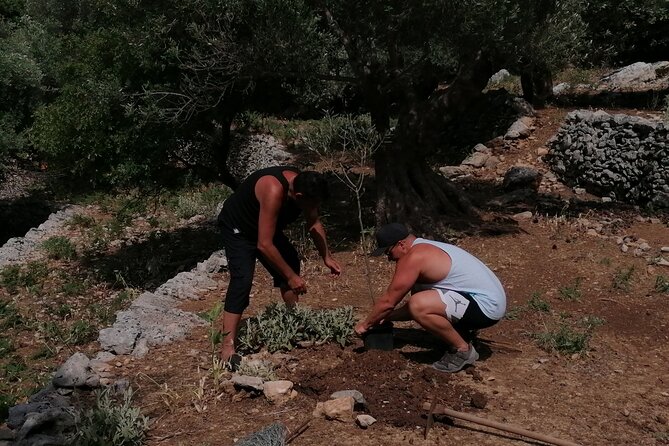
This experience requires good weather. That’s not just a fine print detail—it matters because the core events happen in an outdoor grove. If it’s canceled due to poor weather, you’ll be offered a different date or a full refund.
Operating hours are listed as 9:00 AM to 6:00 PM during the timeframe shown (from 06/26/2022 to 12/08/2026). That means you can usually fit it into a daytime plan, but you should still treat it like a schedule you protect from last-minute chaos.
Also keep in mind:
- You’re in English.
- It’s a private tour/activity, so only your group participates.
- You’ll need to provide the names for your name plaque so it can be placed on your tree.
Quick tip from how these experiences work: if you’re booking for a couple or family, double-check spelling for the plaque names. This is one of those small details that suddenly matters a lot when you see the tag in the grove.
Who This Fits Best (And Who Might Skip It)
This tour fits best if you:
- want a nature-minded activity that feels personal, not abstract
- like the idea of leaving a legacy tied to real conservation work
- are celebrating something (weddings, anniversaries, proposals) and want an experience that’s more memorable than a dinner bill
- want hands-on learning about olives and why genetic variety matters
You might choose something else if you:
- want a big, sightseeing-heavy day with many stops
- dislike outdoors or don’t want to plan around weather
- prefer self-guided activities with no structured ritual like the toast
One more good match: if you appreciate work that’s actively run by real people. In one review, participants specifically mentioned the work of Karl Röske and his team, and that kind of name-check usually reflects a hands-on, communication-forward style.
Should You Book This Olive Tree Sponsorship Protect and Plant Tour?
I’d book it if you want your Crete trip to connect to something living and specific: a named olive tree, a structured moment at the grove, and learning tied directly to conservation. The tour’s biggest strength is that it turns support into a physical, photographed experience you can point to later.
Before you go, make your decision based on the part that matters most to you:
- If you want the easiest meaningful impact, pick the sponsorship path and focus on the name-tag, photos, and toast.
- If you want a more involved day, choose planting and lean into the Cretan Lazarus conservation story, including the gene pool and two-generation detail.
If weather looks iffy in your travel window, build a little flexibility. Other than that, this is a rare kind of tour that can feel both heartfelt and practical—because the day ends with something you’re genuinely part of.
FAQ
Where is the meeting point?
The tour starts at Dimitrakaki 2, Rethimno 741 32, Greece.
How long is the tour?
It lasts about 2 hours 30 minutes.
Is the tour offered in English?
Yes, it is offered in English.
Is this a private tour?
Yes. It’s listed as a private tour/activity, so only your group participates.
Can I sponsor a tree or do I have to plant one?
You can do either. The tour includes attaching your name tag to a sponsorship tree, and there is also an option to plant an olive tree through the Cretan Lazarus project.
Will the team take photos and videos?
Yes. You’ll have time to take photos and a video at your tree, and the team also produces photos and videos.
Do I need to provide names for the plaque?
Yes. You’ll be asked for the name(s) for the name plaque to be placed on the tree.
What happens if the weather is bad?
The experience requires good weather. If it’s canceled due to poor weather, you’ll be offered a different date or a full refund.
What is the cancellation policy?
You can cancel up to 24 hours in advance for a full refund. If you cancel less than 24 hours before the start time, the amount you paid will not be refunded.