
Review · SCUBA DIVING IN CRETE
Research diving with a Marine Biologist in Crete
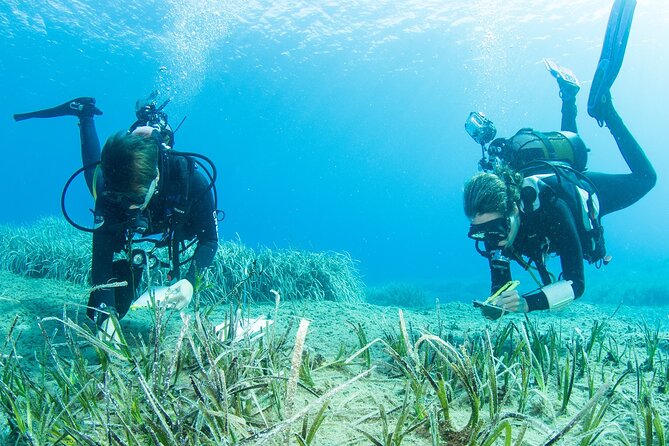
You come up with answers, not just souvenirs. This 1-day program in Crete pairs you with a marine biologist guide for hands-on underwater science and a lab-style wrap-up with microscope time.
I like the small group of up to 4 certified divers. It keeps the briefings clear and the guide focused on your level, not the clock. I also love the follow-up in their open-air biology setup where you can use microscopes to examine what you collected.
One thing to consider: it’s structured and purpose-driven. If you want a slow, casual swim where you rarely stop to learn or record anything, this science-first format may feel like a lot.
In This Review
- Key Highlights You’ll Feel in Real Time
- Marine Biologist-Led SCUBA in Crete: What Makes This Day Different
- A 1-Day Flow With Two Underwater Sessions and Real Lab Time
- Stop 1: Souda Beach—Starting With Guidance, Not Guesswork
- Stop 2: Plakias—Tailored Fieldwork for Your Level and Interests
- The Citizen Scientist Part: Data Collection That Leads Somewhere
- Microscopes in the Open-Air Marine Lab: Why the Debrief Matters
- What You Get for the Price (And What Costs Extra)
- Who This Experience Fits Best in Crete
- Should You Book This Marine Biologist SCUBA Day in Crete?
- FAQ
- How many people are in the group?
- Is this experience only for certified divers?
- How long is the experience?
- Where does the tour start?
- What time does it begin?
- What are the stops during the day?
- What’s included in the price?
- Is lunch included?
- Are underwater photos included?
- What if I need to cancel?
Key Highlights You’ll Feel in Real Time
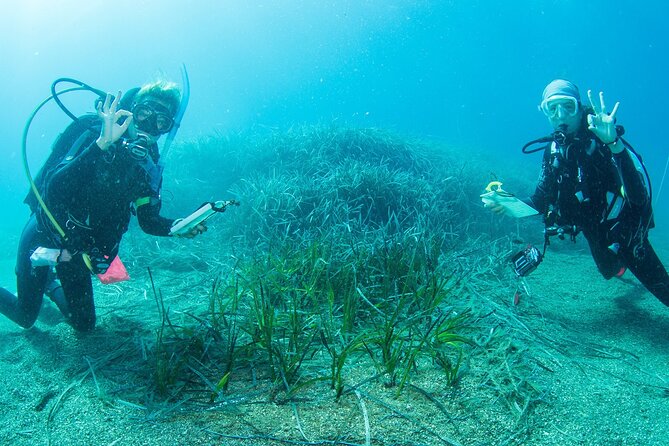
- Small-group briefings for a tighter, more personal experience
- Two underwater sessions planned around your certified diver level and interests
- Citizen-scientist style data collection tied to real marine biology projects
- Specialized marine biology gear plus lab tools after the water time
- Microscope time in an open-air field lab for close-up Mediterranean details
- Hands-on debriefing so you leave with meaning, not just photos
Under the surface, other dives off Crete
- Heraklion: Scuba Diving Experience for Beginners _Beach
★ 4.7 · 549 reviews - Heraklion: Beginner Scuba Diving Lesson with PADI Instructor
★ 4.9 · 355 reviews - Heraklion: Scuba Diving Experience for First-Timers
★ 4.8 · 203 reviews - Chania: Scuba Diving for Beginners
★ 5.0 · 103 reviews
Marine Biologist-Led SCUBA in Crete: What Makes This Day Different
Crete’s coast is full of life, but most people only ever see it with their eyes. This experience is built to add the second half: learning how researchers look at the sea.
You’re guided by one of the in-house marine biologists, and the day is set up to match your experience level. The idea is simple. You choose the underwater biome your group focuses on, then your guide teaches you what to look for, and you put that knowledge into practice during the water time.
The best part is the continuity. You don’t just go down and hope something cool happens. You get background first, then evidence next, then a debrief afterward. It turns a day on the water into a story you can explain.
You’ll also notice the team’s real focus on education. Names that have shown up in their teaching crew include Vanessa, Martina, Marie-Claire, Kirsten, and Katy. That matters because it signals you’re not getting a generic “look at this fish” lesson. You’re getting research-minded guidance.
A 1-Day Flow With Two Underwater Sessions and Real Lab Time
This runs about a day and includes two underwater sessions for certified divers only. The plan is private for your group and capped at maximum 4 divers, which is a big deal when the day includes both training and fieldwork.
Between the water and the lab, the program makes sure you understand what you just encountered. After the second session, you return to the center for debriefing. Then you get a chance to look at your samples under a microscope in their open-air marine field setup.
That microscope part is the value-add most SCUBA outings skip. In the sea, many things are hard to identify at normal viewing distance. In the lab, you can slow down and actually examine what’s going on—especially when the focus is things like seagrass ecosystems and the tiny life associated with them.
You’ll also get the “citizen scientist” angle. The format asks you to collect important data that helps educate others and support environmental protection projects. In plain terms, it makes you part of the work, not just a spectator.
Stop 1: Souda Beach—Starting With Guidance, Not Guesswork
Souda Beach is your first stop. The key thing here is pacing: the morning underwater time is where your guide sets the tone for the whole day. Before you go in, you get briefings tied to the underwater biome you picked and what you’re likely to find.
This is where the small group size pays off. With only a few people, you’re more likely to get clear answers and quick course-corrections. You’re not competing with a crowd for attention or getting rushed past the science parts.
There’s also an “outcome mindset” built into the day. Your guide doesn’t just tell you what you might see. You’re set up to observe, record, and participate in structured field tasks. Depending on your chosen focus, that can mean collecting samples or doing simple recognition and note-taking during the water time.
What to watch for on Souda Beach is the same theme you’ll carry to the rest of the day: ask yourself what the guide is training you to notice. When the lab time comes later, it’s much easier to connect your observations to what you examine under the microscope.
Stop 2: Plakias—Tailored Fieldwork for Your Level and Interests
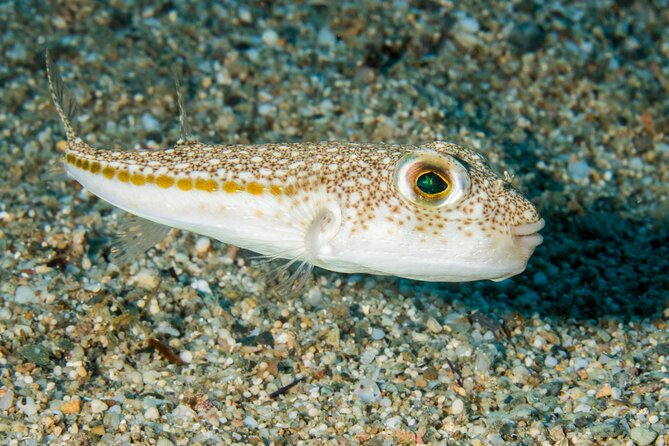
Plakias is your second stop, and this is where your day shifts from introduction to applied fieldwork. By now, you’ve already learned the basics of what your group is targeting. The second session is where you practice using that info while you’re underwater.
The program is explicitly tailored to diving level, experience, and interests. That’s practical, because SCUBA skills and marine knowledge don’t always move at the same pace. Some certified divers want to focus on safe technique first. Others come wanting species and ecology detail. Either way, the guide’s job is to adjust the science plan to fit.
This is also where some guests have described turning from general observations into more hands-on research tasks like collecting samples and then studying what they found afterward. Even if your exact sample type varies by biome, the goal stays consistent: translate what you see into something you can analyze.
On the Plakias side, the value is depth of understanding. You’re not just trying to spot creatures. You’re learning how researchers interpret the sea—through what lives where, what relationships exist, and how tiny ecosystem pieces connect.
The Citizen Scientist Part: Data Collection That Leads Somewhere
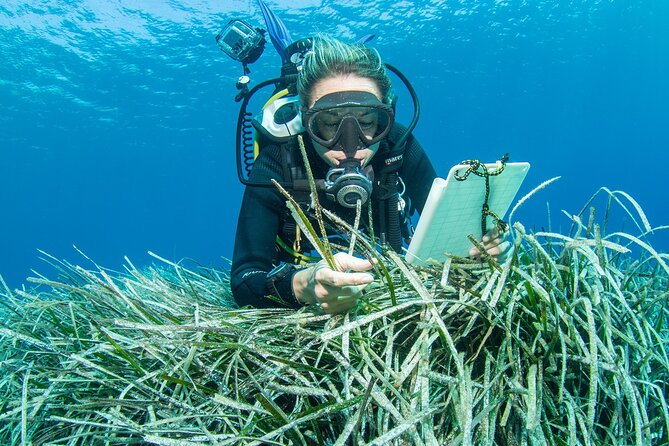
If you’re the kind of person who likes meaning, this citizen-scientist component is a major reason to book. The program frames you as a contributor to marine biology projects, using the data collected during the day to educate others and support environmental protection.
That sounds lofty, but the structure keeps it grounded. You’re given briefings with facts and research methods, then you use that during the underwater sessions. The day is built to connect instruction to observation and then to analysis.
In past programs with the same team and approach, participants have done things like taking underwater notes, running species recognition games, and collecting samples from the environment, then analyzing findings in the field lab afterward. Your specific tasks may differ based on your chosen biome and what the team is studying that day, but the “learn → do → analyze” pattern stays the point.
One practical tip: pay attention during the briefings. Many people spend so much energy on being comfortable in the water that they miss the science cues. If you focus on what the biologist wants you to notice, the whole day clicks faster, and your lab time feels more personal.
Microscopes in the Open-Air Marine Lab: Why the Debrief Matters
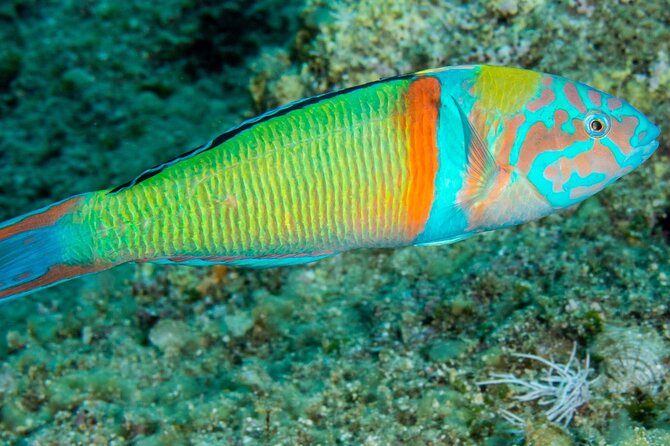
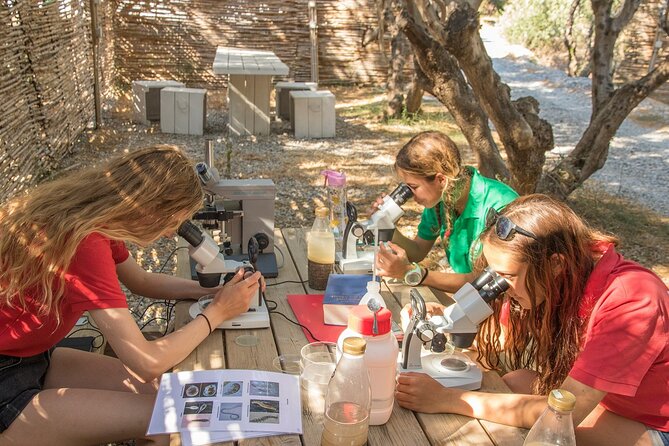
After the water time, you head back to the meeting point area for debriefing at the base. This is a 5-star PADI SCUBA school and marine field station setup, and it includes an open-air biology lab.
The microscope time is where you get the payoff. Underwater, you might spot patches of seagrass or signs of sediment life, but your brain can’t always tell what’s actually living there. In the lab, you can look closer and see the microscopic ecosystem details that make the Mediterranean so interesting.
This is also when your guide helps stitch the day together. You talk through what you experienced, compare observations, and review how it connects to marine biology research methods.
A lot of dive-style experiences end with a return and a rinse. This one ends with thinking. You go from seeing to understanding.
What You Get for the Price (And What Costs Extra)
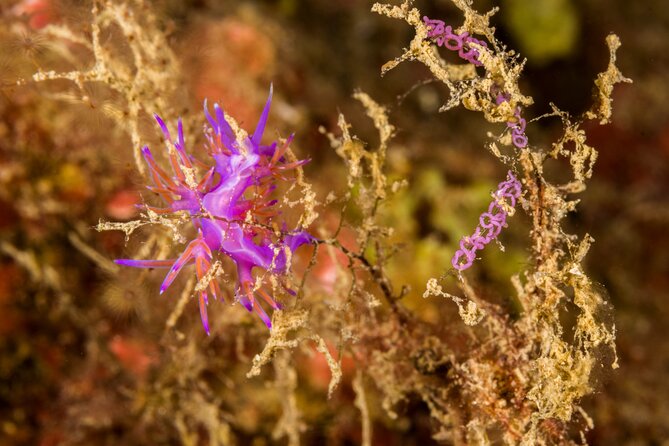
The price is $308.58 per person for the 1-day experience, with English offered. For that, you get a private format for your group (up to 4 divers), bottled water, and the use of SCUBA equipment.
You also get specialized marine biology equipment and microscope use in their open-air marine biology lab. That combination is important for value. Many marine-themed tours charge extra for “education vibes,” but here the science gear and microscope component are included.
Lunch is not included. They suggest eating together at a beach taverna, but you’ll pay separately. Photos also cost extra. The guide takes underwater photos that can be purchased separately for 19 euros.
So ask yourself what you want from the day. If you want two structured underwater sessions with real biology work and lab analysis included, the price makes sense. If you only want relaxed water time and don’t care about the microscopes or data collection, a different outing might be better value.
Who This Experience Fits Best in Crete
This is for certified divers only, and the day asks for moderate physical fitness. You also need to be healthy and fit for SCUBA. If that’s you, the format is ideal for people who like structure and learning.
It also fits well for:
- Divers who want a meaningful reason to plan their underwater observations
- Small groups who prefer private, instructor-led attention
- People who enjoy marine ecology and want to see ecosystems at both the visible and microscopic levels
- Anyone who likes the idea of citizen-science projects with a guided educational framework
If you’re new to SCUBA certification, this probably isn’t your day. The program is geared for certified divers and uses that baseline to run structured field tasks.
Also, since the day has set stops—Souda Beach first, then Plakias—you’ll want to be comfortable spending time outdoors, in the water twice, and then doing a lab-style wrap-up afterward.
Should You Book This Marine Biologist SCUBA Day in Crete?
Book it if you want your time in the water to produce knowledge you can take home and explain. The small group size, the tailored science briefings, the citizen-scientist angle, and the microscope lab debrief are the core strengths here.
Skip it (or look for another option) if you’re chasing maximum relaxation. This isn’t just scenery. It’s fieldwork with learning stops built in, and the day rewards attention and curiosity.
One last decision shortcut: if you’re the type who likes the thought of studying what you collected rather than only looking at it, you’ll probably love this. If you’d rather keep things casual, you might find the structured format more than you bargained for.
FAQ
How many people are in the group?
The group is small, with a maximum of 4 divers, and it’s private for your group.
Is this experience only for certified divers?
Yes. It’s for certified divers only.
How long is the experience?
It runs for about 1 day.
Where does the tour start?
It starts at Dive2gether Crete – 5 star PADI Diving School and Center, Eleftheriou Venizelou, Myrthianos Plakias 740 60, Greece.
What time does it begin?
Start time is 8:30 am.
What are the stops during the day?
You’ll go to Souda Beach and then Plakias.
What’s included in the price?
Included are bottled water, use of SCUBA equipment, specialized marine biology equipment, and microscope use in the open-air marine biology lab.
Is lunch included?
No. Lunch is not included, and you’ll need to pay separately if you eat together at a taverna.
Are underwater photos included?
Underwater photos are not included. They can be purchased separately for 19 euros.
What if I need to cancel?
You can cancel for a full refund up to 24 hours in advance of the experience start time.
More Tour Reviews in Crete
Diving Off Crete



Fresh Off the Boat: Newest Crete Reviews
Scuba Diving in Crete, compared.
 ★ 4.7Heraklion: Scuba Diving Experience for Beginners _BeachFrom $81549 reviews
 ★ 4.9Heraklion: Beginner Scuba Diving Lesson with PADI InstructorFrom $88355 reviews
 ★ 4.8Heraklion: Scuba Diving Experience for First-TimersFrom $82203 reviews
 ★ 4.7Chania: Scuba Diving for BeginnersFrom $140196 reviews
★ 5.0Chania: Scuba Diving for BeginnersFrom $145103 reviews
 ★ 5.0Experience Scuba Diving in Heraklion CreteFrom $11980 reviews
 ★ 5.0Chania: Snorkeling & Scuba Dive for Beginners by BoatFrom $18177 reviews
 ★ 5.0Try Scuba in Crete – Free Certification & Photos (Beginners)From $14451 reviews
Browse the lists this tour appears in