
Review · WINE, OLIVE OIL & RAKI
Pallada Semi-Private Olive Oil Tours in Sternes, Chania
Olive oil can taste like a language. I love the way the Pallada Kèpos olive park turns local growing traditions into something you can see on foot, and I love the hands-on olive oil tasting with multiple in-house extra virgin samples. The one thing to think about is time: at about 1.5 hours, it moves fast, so plan to go back for a longer browse if you want to linger.
This is a small-group, English-friendly tour from Pallada in Sternes (max 8 people), with a local guide named Bill who helps you connect the dots between trees, harvest, and what ends up in your glass. You start at Pallada Olive Oil & Tours, walk among olive groves and Cretan plantings, tour the modern mill floor, then finish with a Cretan starter—Cretan Dakos—served with the olive oil you choose.
In This Review
- Key things I’d put on your must-do list
- Pallada in Sternes: why this tour works as a short stop
- Walking Pallada Kèpos: olive culture you can see, not just hear
- Olive mill tour: seeing how modern production fits tradition
- Learning to taste extra virgin olive oil (without sounding fancy)
- Cretan Dakos and the finish with local food
- Price and logistics: does $41.94 feel worth it?
- Who should book this tour in Chania (and who might skip it)
- A quick look at what your guide brings (Bill’s role)
- Should you book Pallada Semi-Private Olive Oil Tours?
- FAQ
- How long is the Pallada semi-private olive oil tour in Sternes?
- How many olive oils will I taste?
- What language is the tour offered in?
- What is the group size limit?
- Where does the tour start and end?
- Is there free cancellation?
Key things I’d put on your must-do list
- Pallada Kèpos botanical park walk among olive groves, herbs, flowers, and Greek olive varieties
- Modern olive mill visit with a step-by-step explanation of how production works
- Tasting 4 extra virgin olive oils and learning how to spot differences
- Cretan Dakos starter paired with an olive oil pick you make during the tasting
- Max 8 travelers so your questions don’t get lost in a big bus crowd
One more pour of Cretan wine and raki
- Crete: Quad Safari, Olive Mill with Tasting & Ghost Village
★ 4.9 · 1,004 reviews - Crete: Road-trip to Lasithi, Zeus Cave & Olive Mill Farm
★ 4.4 · 451 reviews - From Chania: Wine and Olive Oil Tasting Tour with Snacks
★ 4.8 · 354 reviews - The Terra Creta Olive Oil Experience Tour
★ 4.7 · 344 reviews
Pallada in Sternes: why this tour works as a short stop
In a region like Chania, you’ll see a lot of olive oil experiences. What makes this one click is the pacing and the structure: it starts with living trees, continues through a working mill, then ends with tasting and food. In other words, you don’t just hear about olive oil—you connect the story from orchard to glass.
I also like the “semi-private” feel. With a maximum group size of 8, you’re more likely to get real answers instead of nodding along. And since it’s offered in English with a mobile ticket, it’s easy to fit into a day without feeling like you need a whole production.
Walking Pallada Kèpos: olive culture you can see, not just hear
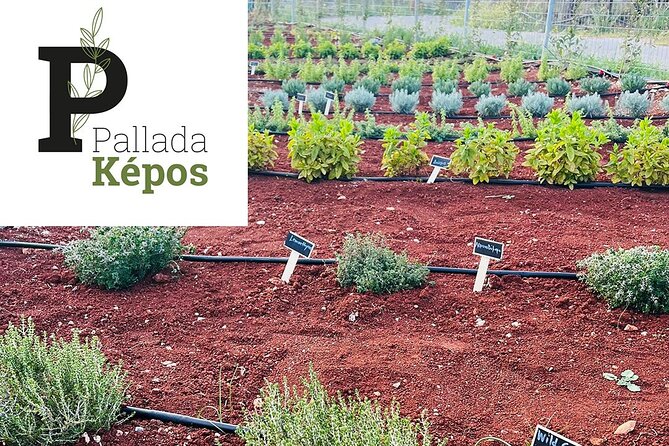
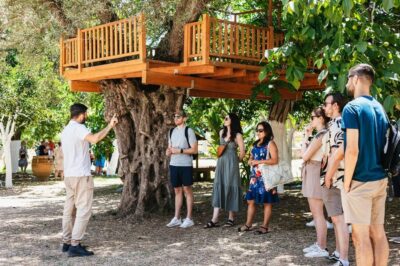
The tour begins with a walk at Pallada Kèpos, a small botanical park created among olive groves. This is where the experience stops being abstract. You’ll see native herbs and flowers of Crete, a small vegetable garden, and several Greek olive tree varieties.
Here’s what this kind of start does for you: it gives your tasting context. When you’ve walked past different olive varieties (and you’ve been told what to notice about the trees and fruit), you’re less likely to treat olive oil like one generic flavor. Instead, you start thinking in terms of tree type, cultivation choices, and harvest decisions.
You’ll talk through olive fruit and the cultivation and harvest process. The details matter here, even if you don’t remember every term later. What you carry away is a clearer sense of why extra virgin olive oil can taste fruity, grassy, peppery, or more mellow—because the inputs and timing matter.
Practical tip: wear walking shoes you trust. The park is outdoors, and you’re on your feet for the early portion of the tour. If your day includes beaches first, don’t wait until you’re already sand-tired to plan this.
Olive mill tour: seeing how modern production fits tradition
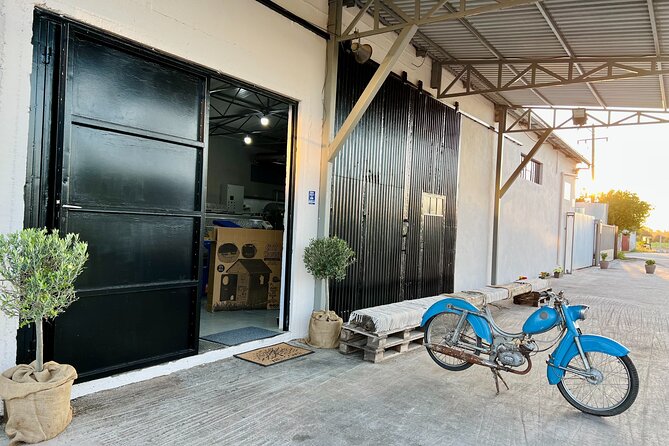
Next up is the visit to the olive mill facilities. You’ll walk among modern factory production equipment, while the guide explains all phases of olive oil production.
Even without technical jargon, this part is valuable because it gives you something most people miss. A tasting is fun, but it’s the process behind it that explains the taste differences. At the mill, you get a visual timeline of what happens from olives to oil, and you learn how producers handle the process to keep quality high.
You’ll also see why olive oil mills don’t work like a one-step kitchen activity. There’s equipment, workflow, and careful handling. The tour keeps that explanation grounded—so you can understand it even if you’ve never made sense of an olive press before.
Potential drawback to note: because the tour runs about 1 hour 30 minutes total, you don’t get hours in the mill. You’ll get the key highlights and the main logic behind the process, but if you want a super technical deep dive, you might wish you had more time on-site. Still, for most people, the balance hits the sweet spot.

Learning to taste extra virgin olive oil (without sounding fancy)
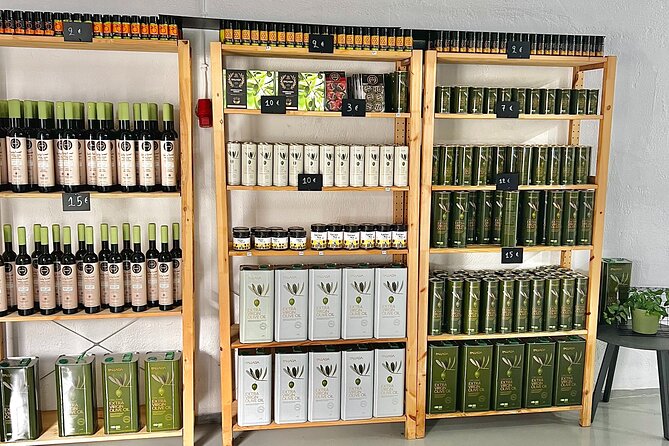
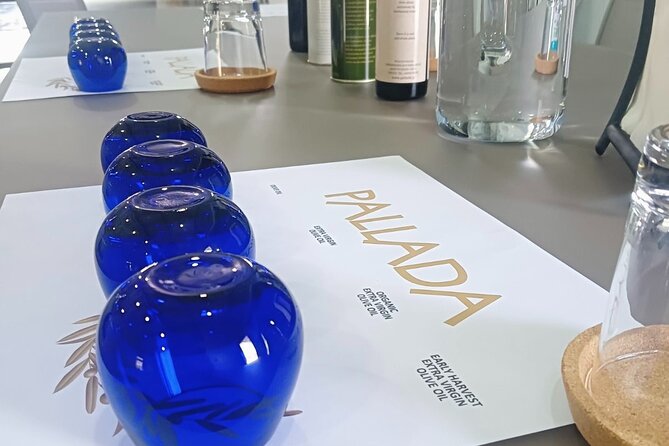
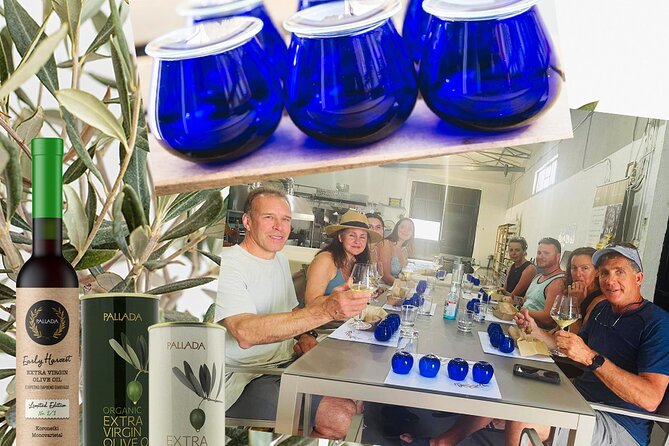
This tour’s biggest crowd-pleaser is the tasting. You learn how to taste extra virgin olive oil, then you taste 4 different olive oils and practice distinguishing their differences.
I like that the tasting is not just you being handed samples. You’re taught how to taste, which makes your comparisons feel sharper. Instead of guessing, you start using consistent cues to notice what changes between oils.
How to get the most out of the tasting:
- Take a moment before you sip to smell and identify basic impressions.
- Compare oils in the order you’re served, not all at once.
- Ask Bill to connect what you notice back to what you saw earlier in the olive grove.
And don’t worry if you’re not a chef. The goal here is understanding. If you cook at home, this helps immediately because you’ll start picking oils for salads, bread, cooked dishes, or finishing drizzles based on what you actually taste.
Also, the tasting is in-house. That matters because you’re experiencing oils from the producer’s own process, not a random set of store-bought bottles.
Cretan Dakos and the finish with local food
The visit doesn’t end at the tasting bench. You get a traditional Cretan treat that leaves a good aftertaste.
Your starter is Cretan Dakos, served with the olive oil of your choice. That’s a smart pairing moment. It’s one thing to taste an oil neat; it’s another thing to experience it with local food textures—bread base, tomato, and herb flavors that tend to come up in this kind of Cretan dish style.
This is also where the “family meal logic” kicks in. Once you’ve tasted multiple extra virgin oils, you’ll have a personal favorite. Then you taste it again in a real food setting and confirm whether your preference holds up beyond the cup.
If you’re the type who loves to eat at the end of a tour, this part is genuinely satisfying. It ties the whole experience together: trees, mill, tasting, then food.
Price and logistics: does $41.94 feel worth it?
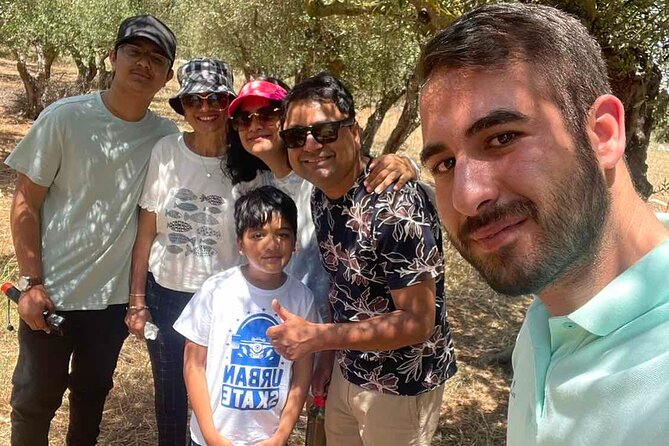
At $41.94 per person for roughly 1 hour 30 minutes, you’re paying for a guided, small-group sequence that includes:
- a walk in Pallada Kèpos among olive groves and Cretan plantings
- a visit to the olive mill with explanations of production phases
- tasting instruction plus samples of multiple extra virgin oils
- a Cretan starter (Dakos) paired with your chosen olive oil
I think this is solid value for a few reasons. First, you’re not just buying products—you’re buying context and technique. Second, the group size cap keeps the experience personal, which is usually where these tours either become memorable or feel rushed. Third, the food finish is included, so you’re not scrambling to find a meal immediately after.
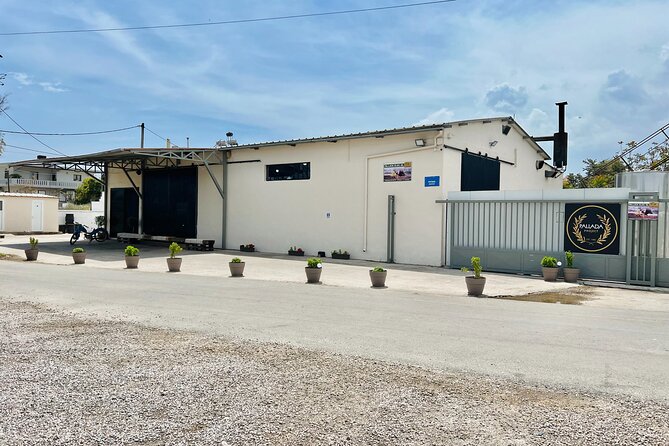
Logistics are straightforward. The tour starts at Pallada Olive Oil & Tours on an unnamed road in Sternes (postal code 731 00), and it ends back at the meeting point. It uses a mobile ticket, and confirmation is provided within 48 hours of booking when available. English is available.
Who should book this tour in Chania (and who might skip it)
This tour fits best if you:
- want something hands-on in a short window
- like food and want to understand what makes olive oil taste different
- enjoy small-group experiences where you can ask questions
- cook at home and want practical oil-picking advice
It’s also a great choice if you’re in Chania for a few days and want an olive-focused stop that feels connected to real production, not just a showroom.
You might consider a different option if you:
- want a very long, fully technical tour of the mill
- prefer very unstructured wandering with no guided explanation
- need a longer schedule than 90 minutes due to travel pacing in Crete
A quick look at what your guide brings (Bill’s role)
One detail that matters is the guide. In the feedback tied to this tour, Bill is repeatedly highlighted for explaining the olive oil process and making the tasting feel educational. You get the sense that questions are welcome and that answers are grounded in the orchard-to-mill flow.
That’s how you know you’ll enjoy it: you’re not just sampling. You’re learning enough to make better sense of the differences you taste.
Should you book Pallada Semi-Private Olive Oil Tours?
If you want a compact, high-signal olive oil experience in Sternes, I’d book it. The combination of Pallada Kèpos orchard walk, a modern mill visit, and tasting instruction with multiple extra virgin oils is a strong format for the time and price. The small-group limit (max 8) also makes a real difference if you like asking questions and getting direct answers from Bill.
I’d especially recommend it if olive oil is a “buy it, use it, and want to understand it” thing for you. You’ll leave with a clearer idea of what you like—and a better sense of why your favorite bottle tastes the way it does.
FAQ
How long is the Pallada semi-private olive oil tour in Sternes?
The tour is about 1 hour 30 minutes.
How many olive oils will I taste?
You will taste 4 different extra virgin olive oils.
What language is the tour offered in?
The tour is offered in English.
What is the group size limit?
The maximum group size is 8 travelers.
Where does the tour start and end?
It starts at Pallada Olive Oil & Tours on an unnamed road in Sternes (731 00, Greece) and ends back at the meeting point.
Is there free cancellation?
Yes. You can cancel for a full refund up to 24 hours in advance of the experience’s start time.
More Tour Reviews in Crete

Crete by the Glass
Fresh Off the Boat: Newest Crete Reviews
Wine, Olive Oil & Raki, compared.
 ★ 4.9Quad Safari, Olive Mill with Tasting & Ghost VillageFrom $931,004 reviews
 ★ 5.0Knossos-Zeus Cave -Old Traditional Villages-Olive Oil FactoryFrom $136694 reviews
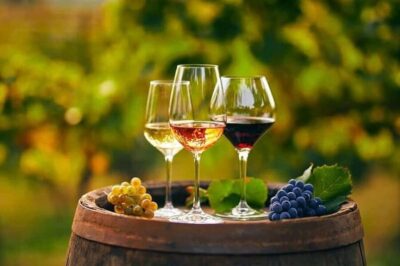 ★ 4.6From Chania: Olive Oil, Wine, Cheese & Honey Tasting TourFrom $49490 reviews
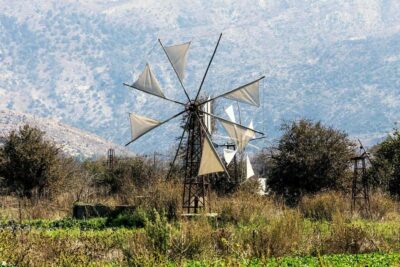 ★ 4.4Road-trip to Lasithi, Zeus Cave & Olive Mill FarmFrom $47451 reviews
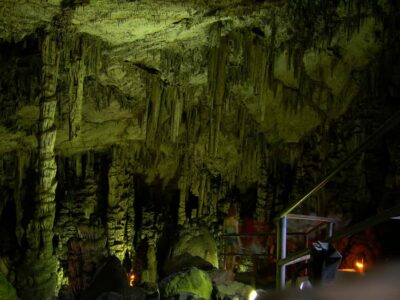 ★ 4.6Lassithi, Zeus Cave, Olive Mill Farm & Knossos Combo TourFrom $58404 reviews
 ★ 4.9Land Rover Safari with Sunset Viewing, Dinner, & WineFrom $99395 reviews
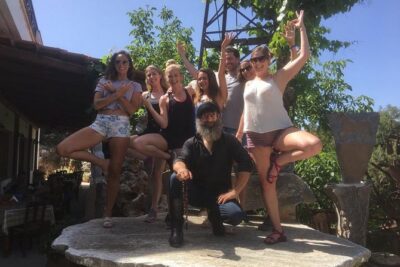 ★ 5.0Zeus Cave, Lassithi Plateau, Olive Oil Factory, Kritza, PotteryFrom $119362 reviews
 ★ 4.8From Chania: Wine and Olive Oil Tasting Tour with SnacksFrom $141354 reviews
Browse the lists this tour appears in