
Review · MUSEUMS
Lychnostatis Open Air Museum: Entry Ticket with Add-Ons
Cretan life, rebuilt in open air. I like this because Lychnostatis turns Cretan folk culture into something you can walk through, not just read about. Two things I especially like are the chance to step inside traditional village houses and see how everyday production worked, plus the way the museum spreads its story across workshops, gardens, and tools.
If you add the audiovisual film or a private guided group tour, you’ll get more meaning behind what you’re seeing. The only catch I’d watch for is that the museum’s printed info can be basic paper, so if you’re visiting in warm weather, keep it dry in your bag.
In This Review
- Key things that make Lychnostatis worth your one day
- A One-Day Ticket That Lets You Walk a Cretan Village, Not Just Browse It
- Traditional Houses, Chapel, and the Set-Up That Helps You Understand Daily Life
- The Distillery, Olive Oil, and Tools That Make Cretan Production Feel Concrete
- Workshops You Can Actually Imagine Using: Weaving, Beeswax, Shoes, Carpentry
- Nature and Environment: Gardens, Herbarium, and the Land Behind the Culture
- Galleries, Library, and the Periodicals Corner for Real Context
- Auditorium and Open-Air Theater: When the Museum Turns Into a Stage
- Choosing Your Add-Ons: Audiovisual Film vs Private Guided Group Tour
- Audiovisual film option
- Private guided group tour option
- Café and Final Tastes: Plan for the Beverage or Sweet
- Practical Notes That Make Your One-Day Visit Smoother
- Value and Price: Why $10 Can Be a Good Deal Here
- Who This Is Best For (and Who Might Want to Skip)
- Should You Book Lychnostatis Open Air Museum Ticket with Add-Ons?
- FAQ
- Is the audiovisual film included with the entry ticket?
- Is a private guided group tour included?
- How long is the experience?
- Do I need to arrange transportation?
- Are food and drinks included?
- What language is the live tour guide?
- Is Lychnostatis wheelchair accessible?
Key things that make Lychnostatis worth your one day
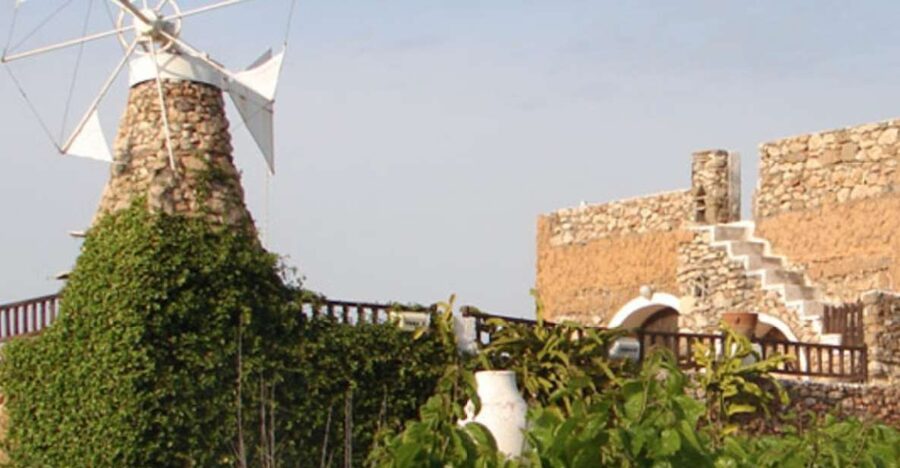
- Open-air village layout: you move through multiple buildings and workshops at your own pace
- Tsikoudia (raki) distillery viewing: learn how spirits were made in the old days
- Hands-on production stops: olive oil press, threshing floor, ceramic shop, weaving and plant-dying
- Nature and farming exhibits: herbarium, fruit garden, bees and wax, herb garden
- Museum spaces for shows and talks: 100-seat auditorium and a 250-seat open-air theater
- Food moment that fits the theme: grab a typical beverage or sweet at the museum café
Worth lining up before you lock in this one:
- Crete: Knossos Palace Entry Ticket with Optional Audio Guide
★ 3.9 · 2,251 reviews - Chania/Rethymno: Balos & Gramvousa With Pickup & Boat Ticket
★ 4.3 · 1,703 reviews - Crete: Knossos Palace and Museum E-Tickets with Audio Guides
★ 4.0 · 828 reviews - Knossos Palace Skip-the-Line Ticket & Private Guided Tour
★ 4.9 · 633 reviews
A One-Day Ticket That Lets You Walk a Cretan Village, Not Just Browse It
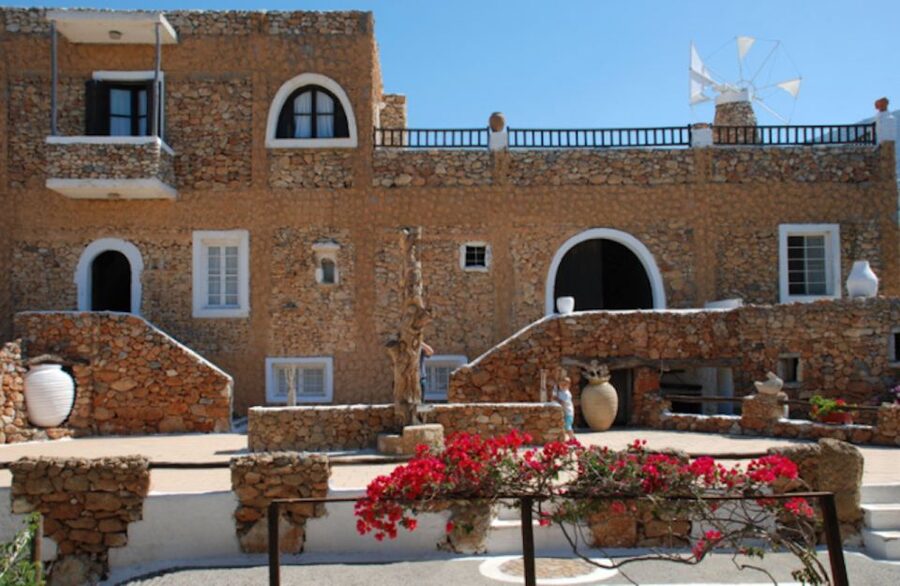
Lychnostatis is the kind of museum you experience by walking. Your entry ticket gives you free time to explore, so you can set your own rhythm—slow, curious, and unhurried. This is the smart choice if you want to spend time reading details on buildings and tools without feeling rushed.
The whole museum is built around Cretan folk cultural heritage: ethnology, nature and environment, and the traditions of everyday life. That focus matters, because you’re not just looking at objects. You’re learning what those objects meant in real routines—working, making, cooking, and living.
With optional add-ons, you can also choose how much context you want. If you go with the audiovisual film or the private tour, the museum’s scenes come with more explanation, not just visuals.
Traditional Houses, Chapel, and the Set-Up That Helps You Understand Daily Life
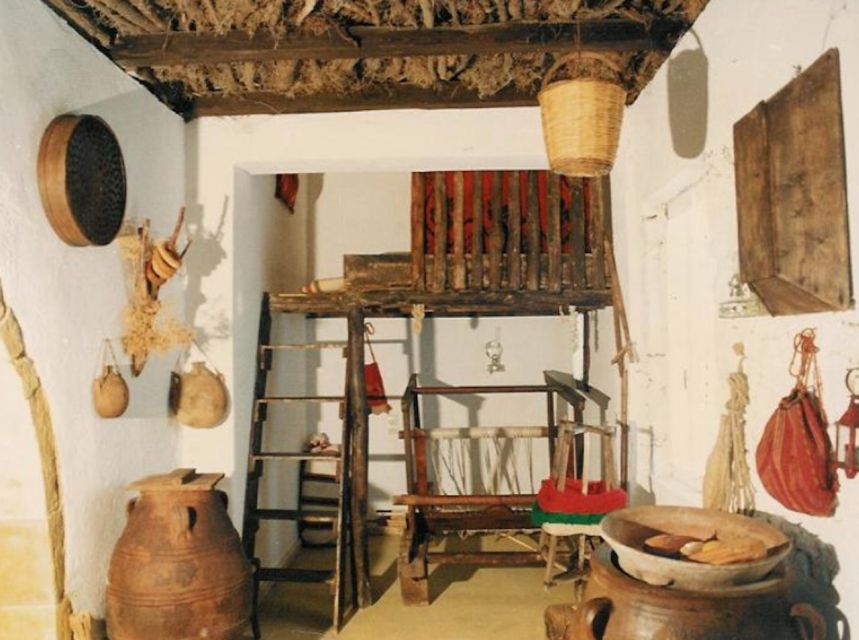
A big part of the appeal is that the museum is made of real-style structures: traditional dwellings, a chapel, and other village buildings. Instead of presenting everything behind glass, it shows how families likely used space. You can get a better sense of flow: where you’d store, where you’d work, and where community life would gather.
One standout is the chance to enter a traditional village house and see inside a distillery. That combo helps you connect home life with production life. In older rural settings, these weren’t separate worlds.
The museum also includes a temporary exhibitions hall, plus a souvenir shop. Temporary exhibits are useful when you want a little variety without changing your day’s core plan. And the shop is there if you want a small takeaway related to Cretan crafts.
The Distillery, Olive Oil, and Tools That Make Cretan Production Feel Concrete
If you want to understand Cretan culture through “how it was made,” this museum rewards you. You’ll see a tsikoudia (raki) distillery, an olive oil press, and a threshing floor—plus other workshops tied to food, materials, and everyday maintenance.
Here’s why these stops hit: they’re not abstract. You can picture the labor. You can imagine the timing. And you can connect the dots between what people grew and what they produced.
A few of the production and craft areas you can expect include:
- Tsikoudia (raki) distillery (spirits-making is center stage)
- Olive oil press (the olive economy made everyday life possible)
- Threshing floor (grain work and farm rhythms)
- Ceramic shop (useful objects for daily needs)
And if you’re the type who likes to watch skills being passed down, the museum doesn’t stop at food. It also spreads into craft production—things you’d recognize from village life: ceramics, weaving, and other material work.
More time indoors, out of the heat
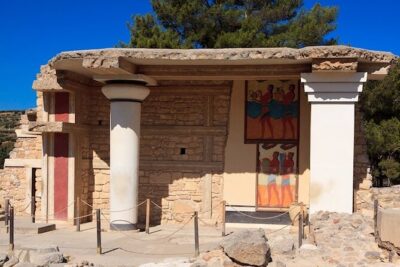
Workshops You Can Actually Imagine Using: Weaving, Beeswax, Shoes, Carpentry
One reason I like Lychnostatis is the range of workshop themes. The museum isn’t trying to cover everything at once; it’s picking the skills that show how people survived and how culture traveled through hands-on craft.
You’ll encounter areas such as:
- Weaving and plant-dying workshop
- Bees and wax workshop
- Shoe-making workshop
- Carpentry
- Herbal and plant-focused collections (including herbarium and gardens)
This mix helps you understand Cretan life as practical and multi-skilled. People weren’t just farmers or just artisans—they were both, depending on season. Even if you’re not from a farming background, the museum makes the logic feel clear: you need materials, you need tools, and you need skills that match what the land offers.
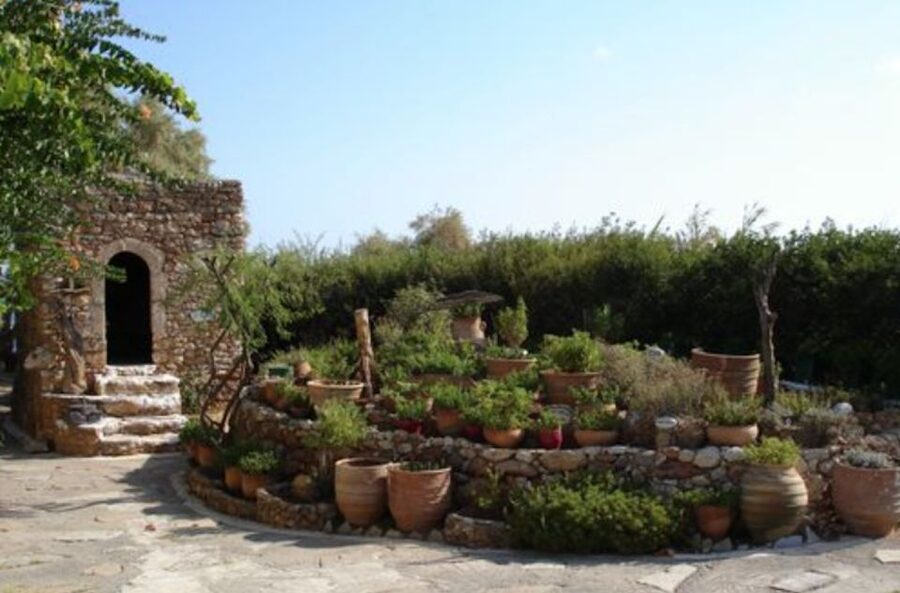
There’s also a mineral and stone exhibition, plus a Cretan fruit garden and herb garden. Those stops broaden the story beyond “workshops” into the environment that fed and supplied everything.
Nature and Environment: Gardens, Herbarium, and the Land Behind the Culture
Lychnostatis links culture to environment, and that’s a smart way to learn. Instead of treating nature as scenery, the museum shows how plants and habitats support traditions.
You’ll see an herbarium and gardens, including:
- Cretan fruit garden
- Herb garden
- Herbarium-focused displays
You also get nature and material connections through the bees and wax workshop. That matters because it turns food and daily products into something tied to seasonality and place.
If you’re the sort who likes museums that answer the question where did this tradition come from?, this part of the visit is a win. It makes Cretan heritage feel less like a list of artifacts and more like a working system.
Galleries, Library, and the Periodicals Corner for Real Context
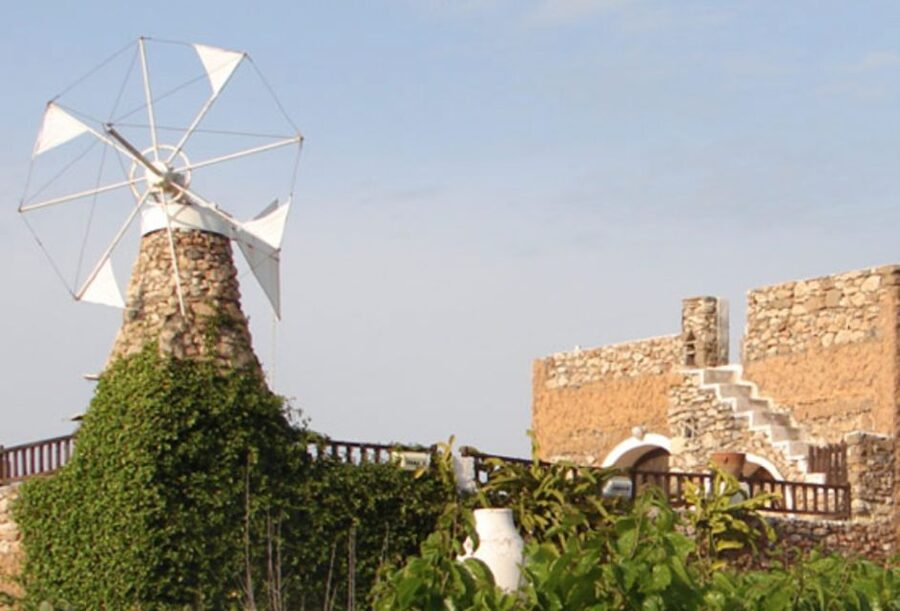
The museum experience doesn’t end with buildings and tools. You’ll also find spaces designed for slower reading: the library stocked with Cretan books and periodicals, plus a Cretan folk artists’ gallery.
This is where your visit can sharpen. After walking through distillery and craft scenes, the library and galleries help you connect what you saw to written and artistic perspectives. It’s a good plan if you want your one day to include more than “pictures and photos.”
There’s also a chance to catch temporary exhibitions and related displays, depending on what’s on during your visit. Even if you’re not spending long here, knowing the room exists helps you pace your day.
Auditorium and Open-Air Theater: When the Museum Turns Into a Stage
Lychnostatis includes performance and talk spaces: an auditorium with 100 seats for audio-visual shows and seminars, and an open-air theater with 250 seats for cultural and artistic events.
This matters because it means your visit can have variety. If an audio-visual show is running when you’re there, it can be a good “reset” after hours of walking and reading. And if you catch a scheduled event, you’ll hear culture explained in a way that feels closer to community life.
Even without planning for a performance, just knowing these spaces exist helps you understand how the museum functions as a cultural hub, not only a static display.
Choosing Your Add-Ons: Audiovisual Film vs Private Guided Group Tour
Your entry ticket covers the museum visit itself, but add-ons change the depth and pace.
Audiovisual film option
With the audiovisual film add-on, you’ll get a structured explanation tied to the museum’s focus. This can be ideal if you want quick context—especially if your day is tight or you prefer a guided narrative before you wander.
Private guided group tour option
A private guided group tour brings a live guide into the mix. The guide language is Greek, so this is best if you’re comfortable following Greek narration or you’re traveling with someone who can help translate and interpret on the spot.
A live guide also tends to help you notice what matters: how workshops relate to farming cycles, what to look for inside a distillery space, and which rooms connect to the themes of folk tradition and ethnology.
If you’re trying to choose between them, I’d pick based on your style. If you like a short orientation, choose the audiovisual film. If you want interpretation across many buildings, choose the private tour.
Café and Final Tastes: Plan for the Beverage or Sweet
A museum like this earns its ending with a food moment. There’s a museum café where you can grab a typical beverage or sweet.
One practical tip: don’t treat it like an afterthought. If you stop earlier than the final stretch, you’ll risk missing the best scenes when your energy dips later. I like saving the café for your last hour, when you’ll have a clearer idea of what you want to linger on.
Even if you don’t eat much, this stop gives you a small payoff that fits the theme. It’s a simple way to end the day with something Cretan, without dragging food planning into your schedule.
Practical Notes That Make Your One-Day Visit Smoother
This experience is designed to fit a 1-day window. Since there’s a lot to see—traditional dwellings, multiple workshops, gardens, library spaces, and theater areas—you’ll get better value if you plan for a full visit rather than expecting a quick stroll.
You can reach the museum by car or taxi, and the meeting point is simply the museum itself. If you’re using a driver or taxi, give yourself buffer time so you can start calm. That matters because the museum is more enjoyable when you’re not rushing to beat a hard deadline.
Also, I’d come prepared to handle the small human realities of museums. One thing to watch: printed information and handouts may not be weatherproof. If it’s warm or humid, keep pages in a protective folder or inside a zip bag so you’re not stuck with smudged text when you actually want to read.
If you select add-ons, remember they’re connected to the museum’s schedule around the audiovisual and guided options. Build your day around the add-on you choose, and then let free exploration fill in the gaps.
Value and Price: Why $10 Can Be a Good Deal Here
At about $10 per person, the entry ticket is priced like a museum you can afford for one focused day. The value comes from quantity and variety: you’re not just touring one room or one exhibit. You’re walking through an open-air setting with many themed areas—food production, crafts, environment, galleries, and reading spaces.
The add-ons can also be good value if you prefer meaning over wandering. An audiovisual film can turn the museum’s scenes into a clearer story. A private guided group tour can help you connect the dots faster, especially if your goal is to understand folk culture rather than just collect impressions.
If you’re the type who reads every label and enjoys self-paced exploration, the base ticket alone can feel satisfying. If you’d rather have interpretation handled for you, spend a little extra on the add-on and let the guide’s explanations steer your attention.
Who This Is Best For (and Who Might Want to Skip)
This works especially well if you like:
- open-air museums and village-style layouts
- craft and production themes (distilling, olive oil, weaving, beeswax)
- cultural learning that connects environment to tradition
- a full-day experience that includes both outdoor and indoor spaces
It may be less ideal if you’re only interested in modern history or if you need a very fast, one-hour style attraction. There’s just enough variety here that you’ll likely want time to move slowly, look around, and come back to buildings after you’ve seen the context.
If you’re traveling with older kids or teens, this can be a strong choice because it’s visual and hands-on in spirit. You’re also less likely to run out of things to see quickly, since the museum includes workshops, gardens, and multiple exhibition spaces.
Should You Book Lychnostatis Open Air Museum Ticket with Add-Ons?
I’d book this if you want a Cretan cultural day that feels practical and real, not staged. The museum’s strength is how it connects buildings, tools, and everyday life into one walkable story. And the optional add-ons are there for different learning styles—film for a quick narrative, or a guided tour for more interpretation.
Skip or reconsider if your schedule is tight and you only want a quick highlight stop, or if Greek narration is a problem for your group. In that case, you could still enjoy the base ticket for self-paced exploration, but you may get more out of the experience with a guide option if you can follow the language.
My bottom line: if you’re in Crete and you want to understand how people lived—through homes, distilleries, crafts, and the land—this is one day well spent.
FAQ
Is the audiovisual film included with the entry ticket?
The entry ticket includes free time to explore the museum. The audiovisual film is included only if you select that option.
Is a private guided group tour included?
The private guided group tour is included only if you select that option.
How long is the experience?
The ticket is valid for 1 day, so you can plan a one-day visit to explore the museum at your own pace.
Do I need to arrange transportation?
Transportation is not included. You’ll need to reach the museum by car or taxi.
Are food and drinks included?
No. Food and drinks are not included, though there is a museum café where you can get a typical beverage or sweet.
What language is the live tour guide?
The live tour guide is Greek.
Is Lychnostatis wheelchair accessible?
Yes, the experience is wheelchair accessible.
Cool, Indoor Crete
More Tickets in Crete
More Tour Reviews in Crete



Fresh Off the Boat: Newest Crete Reviews


Museums, compared.
 ★ 4.0Knossos Palace and Museum E-Tickets with Audio GuidesFrom $69828 reviews
 ★ 4.3Heraklion Archaeological Museum Ticket & Audio GuideFrom $33396 reviews
 ★ 4.5Minoans World 3D Museum & 9D CinemaFrom $24315 reviews
★ 4.0Knossos Palace and Museum E-Tickets with Audio GuidesFrom $69126 reviews
★ 4.5Minoans World 3D Museum & 9D CinemaFrom $24315 reviews
★ 4.0Knossos Palace and Museum E-Tickets with Audio GuidesFrom $69126 reviews
 ★ 5.0Knossos Palace, Museum & Rethymno city Private Tour from ChaniaFrom $65169 reviews
 ★ 5.0Heraklion Highlights: Knossos, Museum & Historic City DriveFrom $33764 reviews
 ★ 4.2Knossos Palace, Museum & Heraklion City Tour From ChaniaFrom $5861 reviews
 ★ 3.8Knossos E-Ticket with Audio Guide & Optional MuseumFrom $3448 reviews
Browse the lists this tour appears in