Review · CRETE
Koumoulia Ceramics / Ceramics courses
Clay magic starts the moment you see the kiln. This small-group class mixes a brief workshop tour with real hands-on practice, so you understand how clay becomes something useful. I like that you get taught the full path from clay mass to object, not just a quick demo, and then you try multiple techniques yourself.
What I especially like is the balance of structure and play: you’ll learn methods you can actually repeat at home, then put them to work by hand or on the wheel. The trade-off is time and output: your pieces need 3–4 days to dry, and the second firing for a glazed finish is not included in the price, so plan ahead if you’re hoping to leave with something ready to use.
In This Review
- What You’ll Remember Most From Koumoulia Ceramics
- A Working Crete Workshop With Wheel Time, Not Just a Demo
- The Clay-to-Keepsake Timeline: Drying, Glazing, and the Extra Firing
- Rouvas Gorge Stop: A Scenic Breather Near Agiou Nikolaou
- Palace of Knossos Stop: Culture on Your Way In and Out
- Techniques You’ll Practice: Hand Building and Working the Wheel
- What the Small Group (Max 5) Actually Changes
- Price and Value: Is $96.11 Worth It?
- Logistics That Can Make or Break Your Day
- Who This Is Best For (And Who Might Feel Disappointed)
- Should You Book Koumoulia Ceramics?
- FAQ
- Where is the meeting point?
- What time does the activity start?
- How long does the experience last?
- Is the course taught in English?
- How many people are in the group?
- What do I do during the ceramics seminar?
- When can I get my creations?
- Is second baking included in the price?
- Can the finished items be shipped?
What You’ll Remember Most From Koumoulia Ceramics
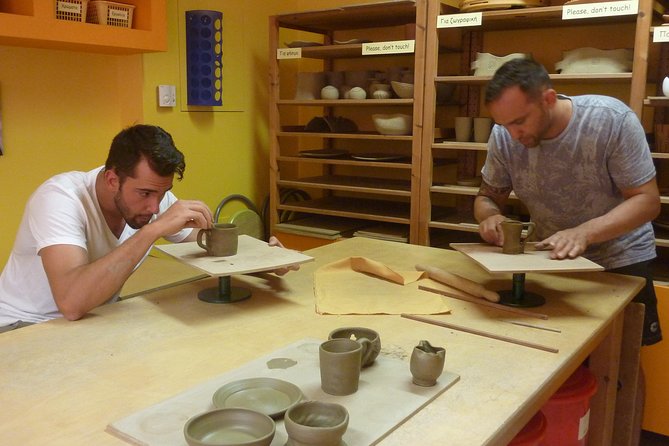
- A real workshop walkthrough that explains clay stages before you touch the materials
- Hand and wheel techniques so you can compare what feels natural
- Small group size (max 5) for more hands-on help and quieter learning
- Drying timeline you must plan for (3–4 days, then optional glazing and a second firing)
- Pickup or shipping options, with overseas shipping likely to cost more
Still weighing it up? A handful of other Crete trips worth a look beside this one.
- Crete: Day Trip to Agios Nikolaos and Spinalonga Island
★ 4.6 · 4,416 reviews - Agios Nikolaos: Boat Trip to Spinalonga with Swim Stop
★ 4.4 · 3,031 reviews - Crete: Knossos Palace Entry Ticket with Optional Audio Guide
★ 3.9 · 2,251 reviews - From Chania: Day Trip to Elafonisi Island Pink Sand Beach
★ 4.5 · 2,014 reviews
A Working Crete Workshop With Wheel Time, Not Just a Demo
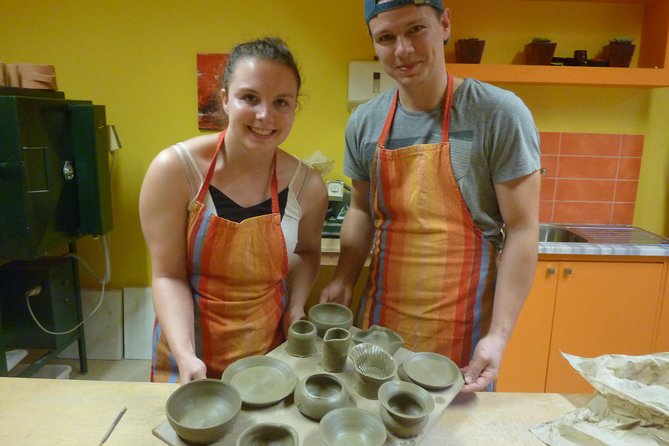
This isn’t a sit-and-watch class. You start with a guided look around the atelier and an explanation of the clay’s journey, from formless mass to something you can hold in your hands. It’s a smart way to set expectations, because pottery is mostly timing and technique, not luck.
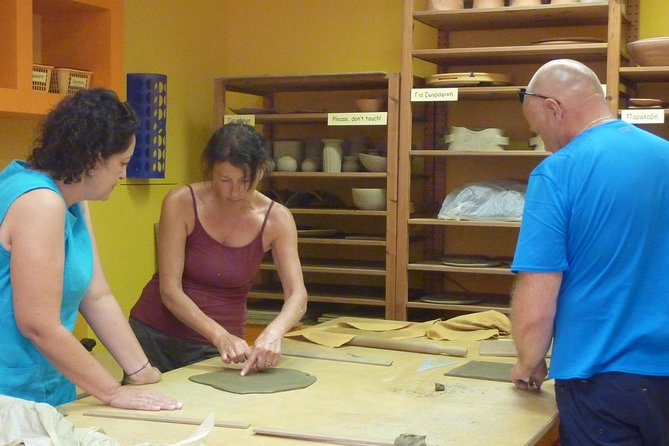
Then the teaching turns practical. You learn different ways to create your own unique items, either by hand or on the wheel, depending on what you’re making and what you want to try. With only a maximum of 5 participants, you’re more likely to get specific guidance when something doesn’t behave the way you expected.
The best part for me is how the workshop tour makes the rest of the lesson make sense. When you understand what comes next in the process, you stop fighting the clay and start working with it.
The Clay-to-Keepsake Timeline: Drying, Glazing, and the Extra Firing
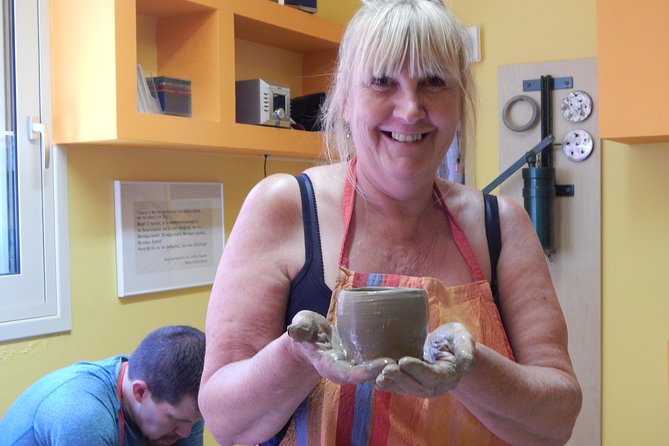
Here’s the big value-and-planning piece. What you make in the atelier isn’t magically finished right away. Once your pieces are realized (by hand or wheel), they take about 3–4 days to dry, depending on your item and the weather.
After drying, you have two paths. You can pick up your creations as they are, or you can choose to glaze them in the color you want. If you glaze, you then wait another 2 days for the second baking, which is not included in the price.
This is the part that can surprise people who expect a ready-to-use souvenir at the end of the session. If you want a glazed, fired result, you should budget extra time and confirm what’s included before you commit to glazing and final baking.
One more practical note: once everything is cooked, your handicraft can be obtained from the workshop. Shipping to your address is possible, but you’ll pay the cost, and overseas shipping can be fairly expensive.
Rouvas Gorge Stop: A Scenic Breather Near Agiou Nikolaou
Your afternoon isn’t only studio time. You also make a stop at Rouvas Gorge (Agiou Nikolaou), which gives you a change of pace and a different kind of Cretan perspective. Even if you’re not spending hours hiking, a gorge stop breaks up the day and helps shift you out of workshop mode.
The main drawback is simple: gorge areas usually mean you’ll want to be comfortable moving outdoors. If you’re the type who gets annoyed by uneven ground or quick transitions between places, plan accordingly with comfortable footwear.
Still, this stop is a good match for a ceramics day because it reminds you that you’re creating objects that come from the earth, not just craft supplies behind glass.


Palace of Knossos Stop: Culture on Your Way In and Out
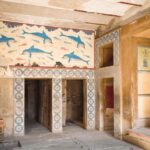
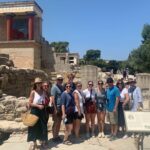
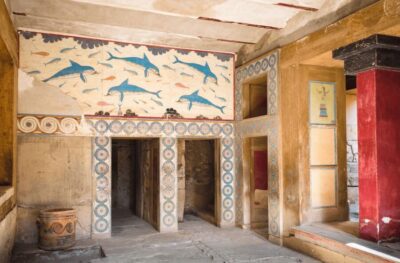
Next up is the Palace of Knossos. It’s a strong cultural contrast to pottery work. Where the workshop is about touch, pressure, and timing, Knossos is about seeing how people lived and built long before modern craft studios existed.
In practical terms, this stop is also a pacing tool. You get a structured break from hands-on making, and it can help if you’re easily mentally fatigued by technical instruction. Just keep in mind that archaeological sites can involve walking and sun exposure, so you’ll feel it later if you dress only for an indoor class.
If you like connecting what you learn in a workshop to the broader setting of the island, this pairing makes sense: clay craft plus one of Crete’s most famous landmark stops.
Techniques You’ll Practice: Hand Building and Working the Wheel
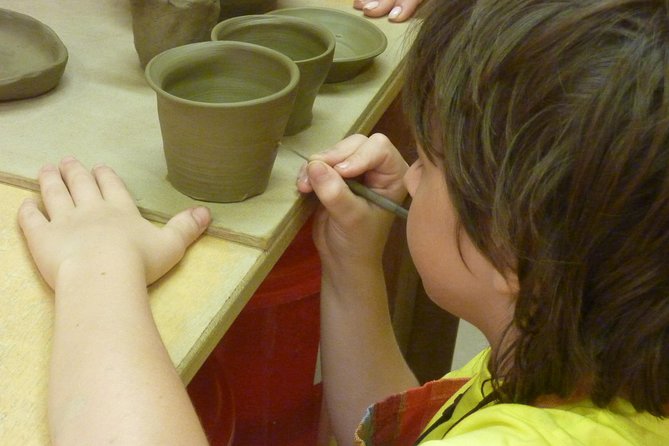
The class instruction centers on techniques you can use to create your own items. You’ll learn how to make something unique, either by hand or on the wheel. That matters because “pottery” can mean different skills, and you get to sample more than one.
In a small group, you’re more likely to get real feedback. If the wheel technique isn’t clicking, you can switch approach and focus on hand-building methods instead. If hand-building feels straightforward but you want to learn the wheel, you can lean into that too.
A subtle benefit is that you’ll understand the stages better before you start. The initial workshop tour explains how clay goes from amorphous to useful, so you’re less likely to treat every step like a mystery. You’ll know what you’re making now affects what you’ll be doing later.
For best results, go in with a flexible mindset. Your first attempts might not look like your final fantasy piece, but you’ll leave knowing what to adjust next time.
What the Small Group (Max 5) Actually Changes
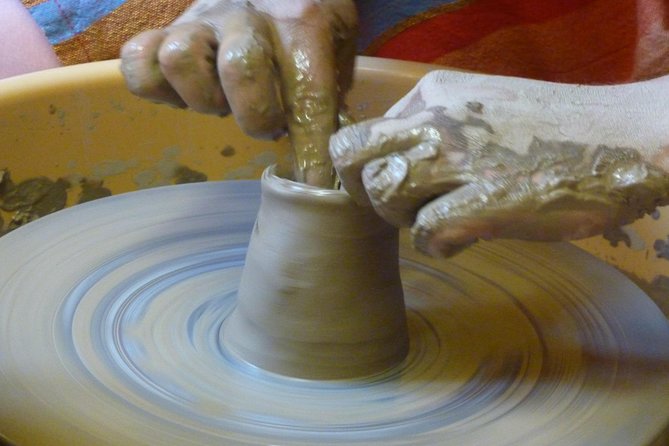
Small group classes sound good on paper. Here, it matters because the craft is physical. Wheel work is hands-on. Hand-building also needs correction when thickness, centering, or shaping isn’t right.
With a maximum of 5 travelers, you get more attention and less waiting. That makes the session feel smoother, especially if you’re new to pottery.
It also keeps the pace human. You can ask questions mid-process, not only at the start or end. If something seems confusing, you’re less likely to get pushed along.
If you’re hoping for a relaxed experience where you can try, fail a bit, and learn without feeling rushed, this format fits.
Price and Value: Is $96.11 Worth It?
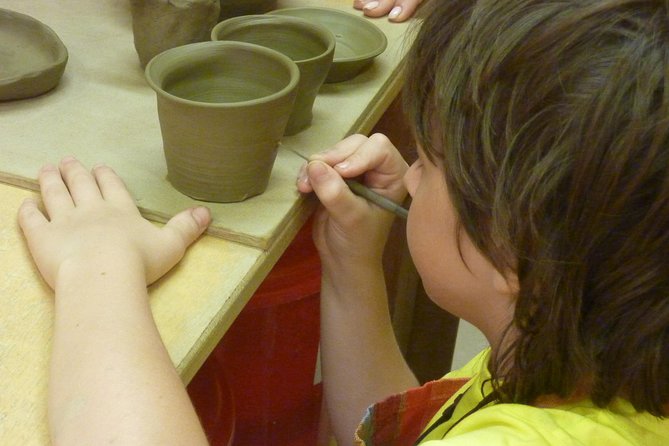
At $96.11 per person, you’re paying for a guided, hands-on pottery seminar in a real workshop. The session includes that initial guided workshop tour and instruction in multiple techniques, plus the chance to create your own items.
What you should treat as separate from the base price is the final “glazed and fully finished” outcome. Drying is part of the process (about 3–4 days). If you glaze, you’ll add another 2 days for the second baking, and that second firing is explicitly not included.
So the value equation depends on your goal:
- If you’re happy leaving with a piece that’s made but not fully finished with glaze and firing, the price may feel fair.
- If you want the full finished, glazed result, you should expect additional cost and time.
Shipping is also a wildcard. You can pick up the pieces at the workshop, or you can have them sent to your address. But shipping overseas can be expensive, so plan your finishing choices accordingly.
This is the best way to protect your money. Decide upfront whether you want a finished glazed piece, then ask what’s needed for that result and what you’d pay beyond the initial price.
Logistics That Can Make or Break Your Day
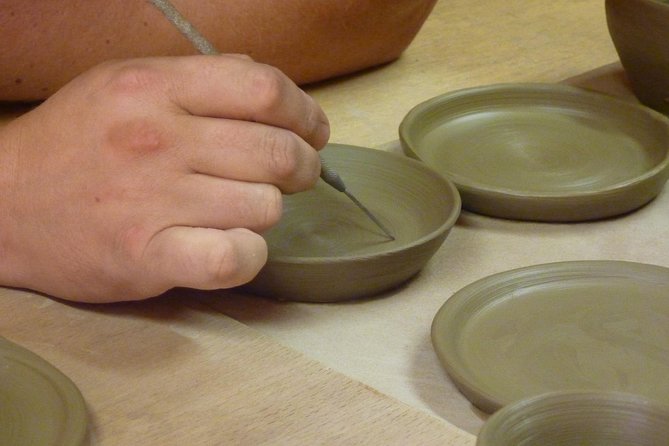
Location can be tricky. One of the recurring lessons here is that getting to the workshop can take effort if directions aren’t crystal clear in your travel plan. Before the day starts, double-check how you’ll navigate to the meeting point and the workshop area. Use GPS, and give yourself buffer time.
You also start at 3:00 pm at the meeting point listed as an unnamed road in Iraklio (700 13). That late afternoon start can work well if you prefer not to rush mornings, but it does mean you should eat and hydrate earlier so you’re not thinking about logistics while you’re learning.
The activity is listed at around 2 hours. That suggests the course portion is a short, focused session, even though the real timeline for your final piece stretches across several days because of drying and optional glazing and second baking.
Finally, the class is offered in English, and most travelers can participate. If you have a strong preference for a specific kind of output (wheel-only, glaze-only, or something you can use immediately), bring that intention into the workshop discussion early.
Who This Is Best For (And Who Might Feel Disappointed)
This ceramics course is a great fit if you:
- want hands-on craft instruction, not a quick souvenir workshop
- enjoy learning the process behind the object
- like small-group experiences with more personal help
- don’t mind that pottery takes time and may require a follow-up pick-up or shipping
You might feel disappointed if you strongly need a finished, usable glazed piece to take home immediately. Because drying takes 3–4 days and glazing (plus second baking) adds time, this is a “make today, finish later” experience.
It’s also worth saying plainly: if you’re trying to optimize around low extra costs, confirm what you’ll pay for second baking and any glazing-related steps before you assume the final result is included.
Should You Book Koumoulia Ceramics?
I’d book it if you want an afternoon that feels practical and creative, with a small group and real teaching on how pottery works. The workshop tour plus hand-and-wheel practice makes it more than a one-off novelty.
I’d think twice if your main goal is to leave immediately with a finished, ready-to-use item. This class has a built-in timeline, and the second firing for the glazed finish isn’t included. Plan for drying and possibly extra time and cost if you want the complete end result.
If you can do that planning, this is the kind of experience that leaves you with more than a photograph. You leave with skills you can actually use next time you find a wheel or a lump of clay.
FAQ
Where is the meeting point?
The start point is listed as an unnamed road in Iraklio 700 13, Greece. The activity ends back at the same meeting point.
What time does the activity start?
It starts at 3:00 pm.
How long does the experience last?
The duration is approximately 2 hours.
Is the course taught in English?
Yes. The seminar is offered in English.
How many people are in the group?
The group has a maximum of 5 travelers.
What do I do during the ceramics seminar?
You start with a guided tour of the workshop and learn the stages clay goes through. Then you learn techniques to create your own items by hand or on the wheel.
When can I get my creations?
Your pieces take about 3–4 days to dry, depending on your creation and the weather. If you choose glazing, you’ll need another 2 days for the second baking.
Is second baking included in the price?
No. The second baking is not included in the price.
Can the finished items be shipped?
Yes. You can pick them up from the workshop or have them sent to an address at your own expense. Shipping overseas can be fairly expensive.