
Review · HIKING & TREKKING
Hiking in Psiloritis Mountain (Ida Mt.) Crete
This is one of those hikes that pays you back fast. Mt. Psiloritis (Mt. Ida) gets you to the highest point on Crete with big views and guided stories about myths and archaeology, and it’s tied to the UNESCO Geoparks system. I also like the private tour setup because your guide can set a pace that matches your group instead of pushing a one-size-fits-all rhythm. The main catch is simple: it depends on good weather, so conditions can change what you actually get to see.
You meet in Livadia and start early at 8:00 am for a hike of about 6 hours. You’ll get snacks, bottled water, and walking sticks, which matters a lot on mountain trails where small savings in effort add up. Expect moderate fitness—nothing listed about technical climbing—just steady walking on uneven ground.
In This Review
- Key things to know before you go
- Mt. Psiloritis is Crete’s big switch: history, geology, and wide-open views
- Meeting in Livadia at 8:00 am and planning your 6-hour day
- Stop 1: Timios Stavros summit area, the 2,456 m viewpoint, and the stone church
- Why the guide experience changes the whole hike: myths, archaeology, and trail confidence
- Walking sticks, snacks, and staying comfortable on uneven ground
- Price and value: what you get for around $120 per person
- Weather rules on Ida Mountain: how to think about a possible change of plans
- Who this hike is best for (and who may want a different plan)
- Should you book this Mt. Ida hike?
Key things to know before you go
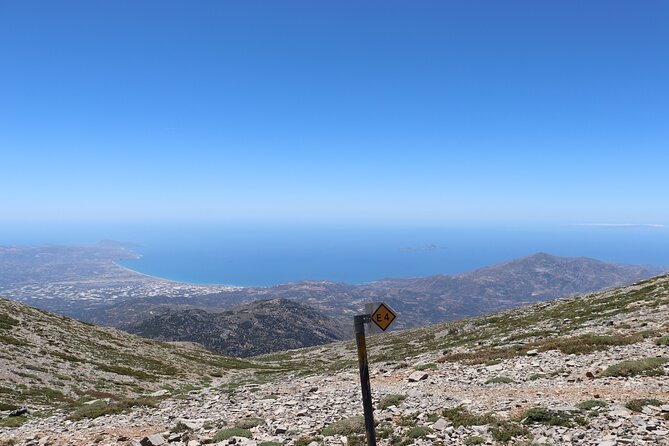
- Summit views from Crete’s top: Reach the high point of Mt. Psiloritis for panoramic sightlines over the island.
- UNESCO Geoparks focus: Your guide connects the mountain to its geological and environmental importance.
- A small church and Cretan mitato detail: You’ll visit the stone church area at Timios Stavros, a distinctive Cretan stop.
- Private pacing, no getting lost: It’s just your group, and the guide knows the trails thoroughly.
- Walking sticks + first-time help: Poles are available, and guides like Kostas can help if you’re new to them.
- English-speaking, certificated guide: You’ll get the full story without the language barrier.
More trails to walk on Crete
- From Chania/Rethymno: Samariá Gorge Guided Hike with Pickup
★ 4.5 · 1,010 reviews - From Rethymno/Chania: Imbros Gorge Hike
★ 4.4 · 353 reviews - Crete: Samaria Gorge Hike
★ 4.4 · 201 reviews - Crete: Samaria Gorge Hiking with transfer and expert Escort
★ 4.6 · 125 reviews
Mt. Psiloritis is Crete’s big switch: history, geology, and wide-open views
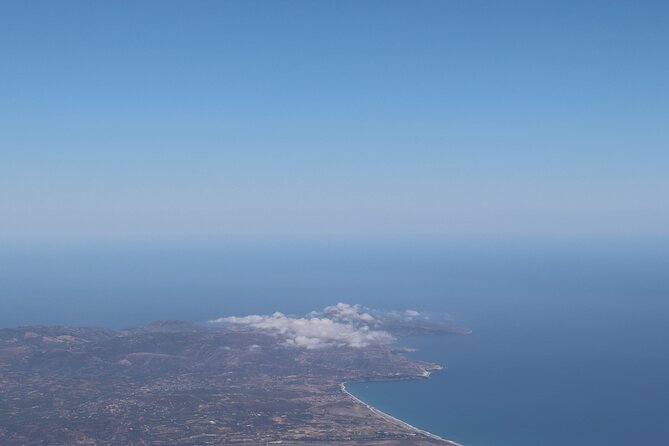
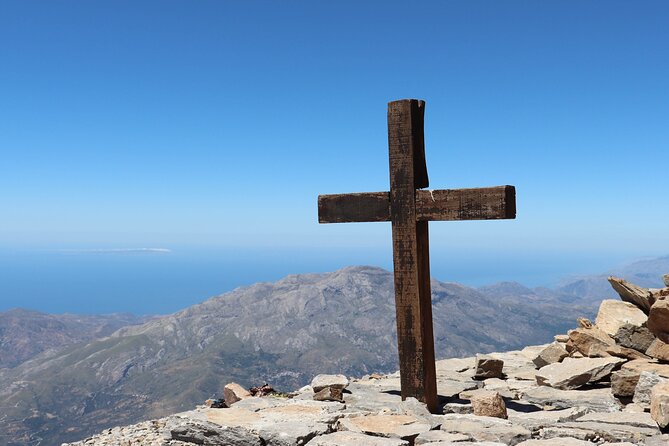
If you want one mountain hike that feels like it touches a lot of Crete at once, this is a strong pick. Mt. Psiloritis (also known as Mt. Ida) is the highest mountain on the island, and you’re going up to the Timios Stavros area at roughly 2,456 meters. That altitude is why the views are the star of the show: when you’re on the island’s highest level, the horizon does a lot of the talking.
What I like here is that the experience isn’t only about walking. The guide frames what you’re seeing with mountain context—its role in myths and archaeology plus the mountain’s geological and environmental value. Psiloritis is part of the UNESCO Geoparks network, so the hike turns into a living lesson you can feel in your legs and your eyes.
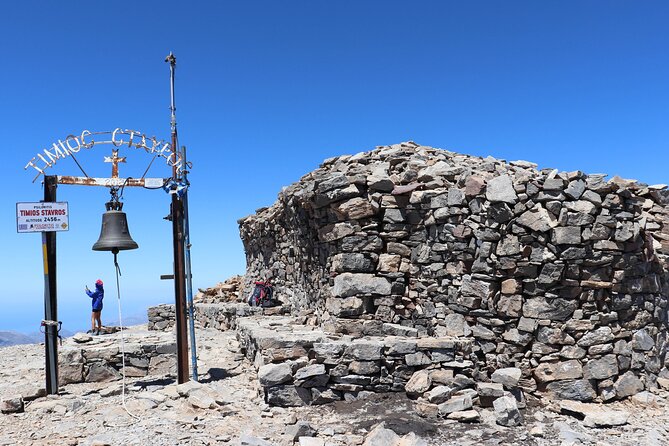
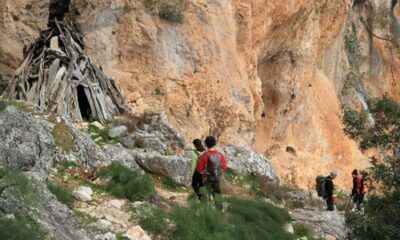
One more detail that helps it feel authentic: there’s a small church in the Timios Stavros area made of stone, and it includes a style element of Cretan mitato. That’s the kind of stop that makes a hike feel local, not generic.
Meeting in Livadia at 8:00 am and planning your 6-hour day
Logistics are straightforward, and that’s a good thing because mountain days already run on their own clock. The meeting point is in Livadia (Livadia 740 51, Greece), and the start time is 8:00 am. The hike runs about 6 hours in total, and it ends back at the same meeting point.
This matters for two reasons:
- You don’t need to arrange a complex route change or think about pickup later.
- Starting early helps you make the most of daylight and gives a better shot at calmer conditions.
Because it’s a private tour, you’ll be walking with just your group. That’s a big quality-of-life upgrade on a mountain trail. If someone needs to slow down, stop for photos, or just catch their breath, your guide can adjust. If you’re feeling good, you can keep a steady pace. Either way, the route is guided, so you’re not worrying about navigation.
Transportation is not included, so you’ll want to sort out how you’ll reach Livadia on your own. For many people, this ends up being a mix of car or local taxi planning.
Stop 1: Timios Stavros summit area, the 2,456 m viewpoint, and the stone church
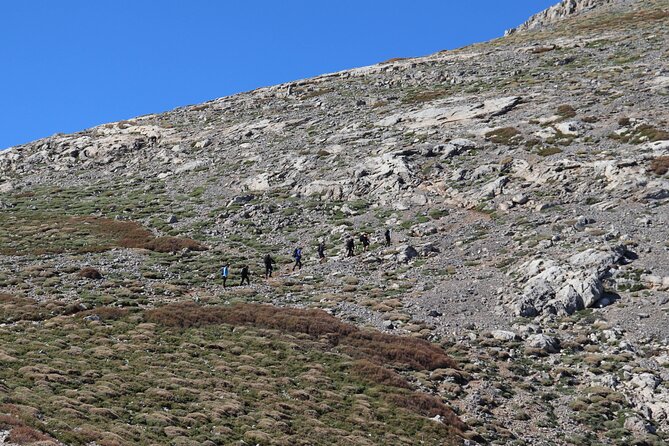
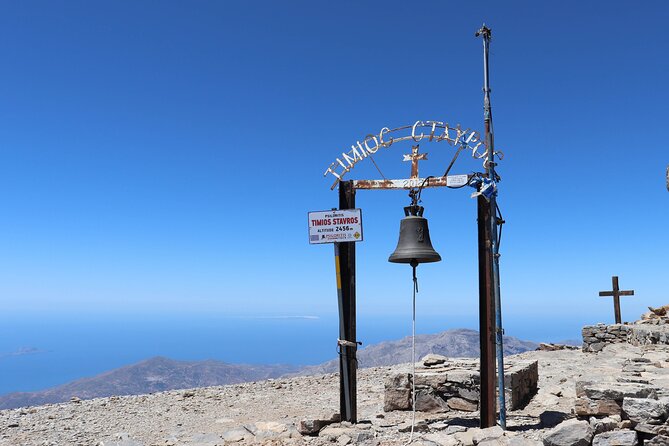
Stop 1 is the heart of the hike: Psiloritis Mountain. This is where you’re chasing the summit experience of Crete—getting to the highest point area of Timios Stavros and taking in panoramic views over the island.
On a clear day, this is exactly what it sounds like: the kind of viewpoint where you stop, look, and forget you had somewhere to be later. The main payoff is altitude. Even if you’re not a hardcore hiker, the change from lower slopes to high ground is usually obvious in the air, the angles, and how far your sightlines stretch.
The hike also includes that distinctive stone church area in the Timios Stavros region. It’s described as a small church made of stone with a typical Cretan mitato style element. I like stops like this because they break up the hike with something more meaningful than scenery alone. You’re not only staring at a view—you’re stepping into a specific place with local character.
Now for a realistic consideration: downhill can feel tougher than the climb. One guide-led hike described the descent as more difficult than expected, mainly because many people aren’t used to walking down hilly, uneven paths. If you’re planning your day, mentally budget for that—your legs may feel it more on the way back down even if the climb felt manageable.
Why the guide experience changes the whole hike: myths, archaeology, and trail confidence
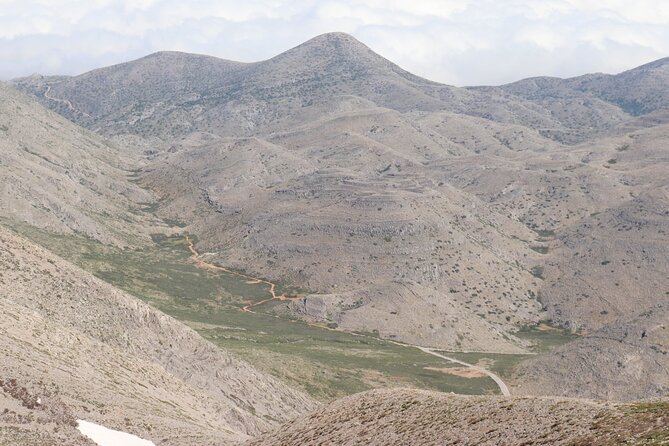
A guided hike on Psiloritis is about more than just getting you to the top. It’s about making sense of the mountain as a place with layers.
Your guide shares how the mountain connects to myths and archaeology. That means when you’re looking out at the wider island, you can also imagine why people cared about these slopes long before your hike day arrived. It’s the difference between seeing a big view and understanding why this mountain shows up in stories.
And then there’s the practical side: you’re not navigating on your own. The route is described as low risk for getting lost because the guide knows the trails thoroughly. In the mountains, that’s a real comfort. You can focus on walking, not map math.
The guide energy also matters. In the feedback, Giorgos came across as friendly and full of interesting mountain and island context, while Kostas handled the climb with a calm guiding style that worked well for different fitness levels. Another guide name that shows up is Gorgos, and the takeaway there was how much the group enjoyed the viewpoint and the guiding approach.
If you’re new to hiking poles, pay attention: one group noted that they hadn’t used walking poles before, and their guide helped by providing a pair and making them useful. I consider that a meaningful detail. When poles are new, they can feel awkward at first—proper guidance can turn them from “extra gear” into a real help, especially on uneven ground.
Walking sticks, snacks, and staying comfortable on uneven ground
This hike includes the basics that make a long walk feel doable: snacks, bottled water, and walking sticks. Those are not flash items. They’re the unglamorous stuff that keeps energy steady and reduces frustration when you’re working through a long day on mountain terrain.
Here’s how to use those inclusions smartly:
- Take sips of water regularly instead of waiting until you feel thirsty.
- Use snacks early enough that you don’t hit a drop in energy halfway through.
- If you’re borrowing or trying poles for the first time, use them gradually and let your legs adjust. The descent is where poles can really help stabilize your steps.
Also, think about what can surprise you on mountain routes. The earlier note about the descent being harder than expected is a good warning. Even people who do fine on climbs can find the return trip more challenging because of the angle and footing. A steady pace and extra care on the downhill sections go a long way.
One more practical touch: since this is private and the guide sets the pace, you’re not stuck following someone else’s rhythm. That’s helpful if you like to stop for photos often or if you prefer a slower pace so you can enjoy the conversation and the view without rushing.
Price and value: what you get for around $120 per person
At about $120.16 per person, this hike isn’t trying to be the cheapest option. It’s priced like a guided, private mountain experience with real inclusions.
Here’s what’s included based on the offer details:
- English speaking certificated guide
- Snacks
- Bottled water
- Walking sticks
- All fees and taxes
What’s not included is transportation, so your total trip cost depends on how you reach Livadia.
So is it good value? For me, yes—because two things are expensive in practice: paying for a high-quality guide and arranging the time for a private group on a mountain route. When you add in the included sticks and water/snacks, you’re not scrambling for essentials mid-hike.
One extra clue about demand: it’s often booked around 12 days in advance on average. That suggests people plan this as a main activity in their Crete schedule. If you’re traveling in busy periods, you’ll likely want to lock it in earlier rather than hoping for last-minute availability.
Weather rules on Ida Mountain: how to think about a possible change of plans
Psiloritis is a mountain. That means weather matters, and this experience specifically notes it needs good weather. If poor weather cancels the hike, you’re offered either a different date or a full refund.
I like this setup because it reduces the risk of paying for an outdoor day that turns into a miserable walk. Still, you should treat it like a flexible plan. If your Crete itinerary is very tight, you’ll want to schedule this with at least a little breathing room in case the weather forces a shift.
Who this hike is best for (and who may want a different plan)
This experience fits people with moderate physical fitness. The emphasis is on hiking and reaching the summit viewpoint area, not on technical climbing. If you can handle steady walking on uneven terrain for several hours, you’re in the right zone.
It’s also a good match if you like guided context. The mountain stories—myths, archaeology, and the UNESCO Geoparks angle—are a big part of why this hike feels more than just exercise.
It can be especially appealing if you want privacy. Private tours mean your group controls the rhythm. Families or friends traveling together who don’t want to merge into a larger crowd tend to prefer this style.
Service animals are allowed, which is a useful detail for some travelers.
The main reason to think twice is the weather dependency plus the fact that downhill can feel tougher than the climb. If you have knee issues or you know you struggle on descents, you might want to plan slower and be honest with your guide about what your body can handle.
Should you book this Mt. Ida hike?
Book it if you want a guided hike up Crete’s highest mountain with panoramic summit views, strong local context, and the comfort of not needing navigation. It’s also a smart choice if you value inclusions like walking sticks, snacks, and bottled water, because those small items make the day feel smoother.
Pass or consider another option if you’re traveling with very inflexible timing or you know you’re sensitive to weather changes. Also, if downhill walking is a challenge for you, talk with your guide and plan for a slower return so the descent doesn’t turn into an unpleasant surprise.
If your ideal Crete day includes climbing, views, and a guide who can explain why the mountain matters, this hike is a solid bet.
On Foot Across the Island


More Tour Reviews in Crete
Fresh Off the Boat: Newest Crete Reviews
Hiking & Trekking, compared.
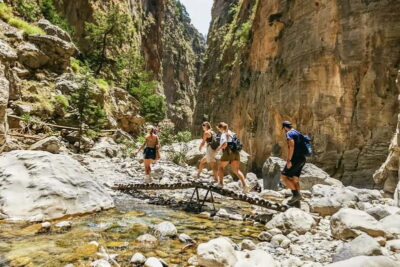 ★ 4.6From Chania: Full-Day Samaria Gorge Trek Excursion & GuideFrom $413,191 reviews
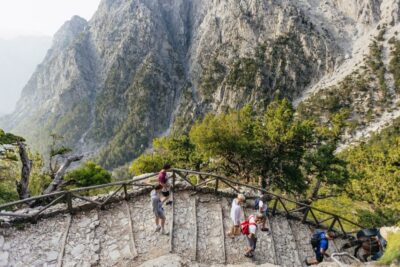 ★ 4.5From Rethymno: Samaria Gorge Full-Day Trek, Pickup & GuideFrom $371,610 reviews
 ★ 4.5From Chania/Rethymno: Samariá Gorge Guided Hike with PickupFrom $371,010 reviews
 ★ 4.6From Chania: Samaria Gorge with Professional Hiking GuideFrom $37720 reviews
 ★ 4.5Samaria Gorge Hiking from Chania with Professional Hiking GuideFrom $51372 reviews
 ★ 4.4From Rethymno/Chania: Imbros Gorge HikeFrom $30353 reviews
 ★ 4.5From Chania: Samaria Gorge Hike with Local Mountain GuideFrom $36282 reviews
 ★ 4.4Samaria Gorge HikeFrom $56201 reviews
Browse the lists this tour appears in