
Review · LASITHI PLATEAU & ZEUS CAVE
Crete: Lasithi Plateau Zeus Cave Guided Jeep Safari Tour
One day in central Crete can feel like three different countries. This Lasithi Plateau Zeus Cave jeep tour mixes mountain driving with mythology, village food, and real Cretan crafts. I love the high-altitude off-road feel up around 1,150 meters and how the day is built around practical stops like olive oil and cheese making. One thing to weigh: the itinerary includes walking and some rougher roads, so it’s not the best pick if you want an easy, flat, no-surprises day.
What makes it extra appealing is the way the guide shapes the day in real time. Guides such as George and Andreas are often praised for keeping the pace comfortable, sharing local stories, and adjusting when weather turns (fog and heavy rain have happened, with extra time added to other viewpoints and points of interest). You’ll also get a proper meal in a village tavern, not a rushed snack-and-go stop.
If you’re coming from the north coast (Heraklion, Hersonissos, Agios Nikolaos area, and more), the free pickup and drop-off makes this feel like a door-to-door mountain escape. Still, keep expectations realistic about the Zeus Cave: tickets are not included in the tour price, and the cave has a seasonal closure window you’ll want to check before you book.
In This Review
- Key highlights that make this jeep safari worth your time
- Why This Zeus Cave Jeep Safari Works in Central Crete
- Pickup to Aposelemis Dam: Sfentili’s sunken village moment
- Avdou and Krasi: olive oil culture, snacks, and village pacing
- Olive mill time and shepherd-farm stops: how Cretan food has a geography
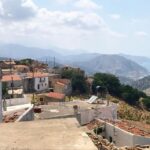
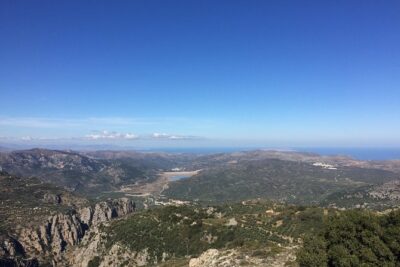
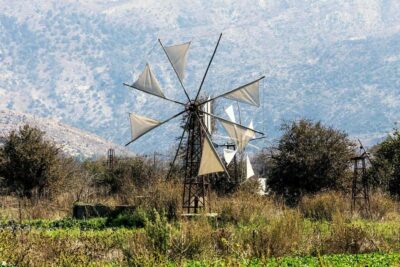
- Lasithi Plateau at about 1,150 meters: views, wildlife, and time to breathe
- Diktaion Andron and the mountain brunch moment
- Zeus Cave expectations: tickets, closure dates, and the myth payoff
- Off-road dirt-route photos to Kastamonitsa’s Roman aqueduct ruins
- Price and value: what $100 buys you (and what costs extra)
- Who should book this jeep safari?
- Should you book the Crete Lasithi Plateau Zeus Cave jeep safari?
- FAQ
- How long is the Crete Lasithi Plateau Zeus Cave jeep safari tour?
- What’s included with the price?
- Where does pickup and drop-off happen?
- Do I need to buy a ticket for Zeus Cave?
- Which languages does the live guide speak?
- Is this tour private or shared?
- Is Zeus Cave open year-round?
- Is alcohol allowed on the tour?
Key highlights that make this jeep safari worth your time
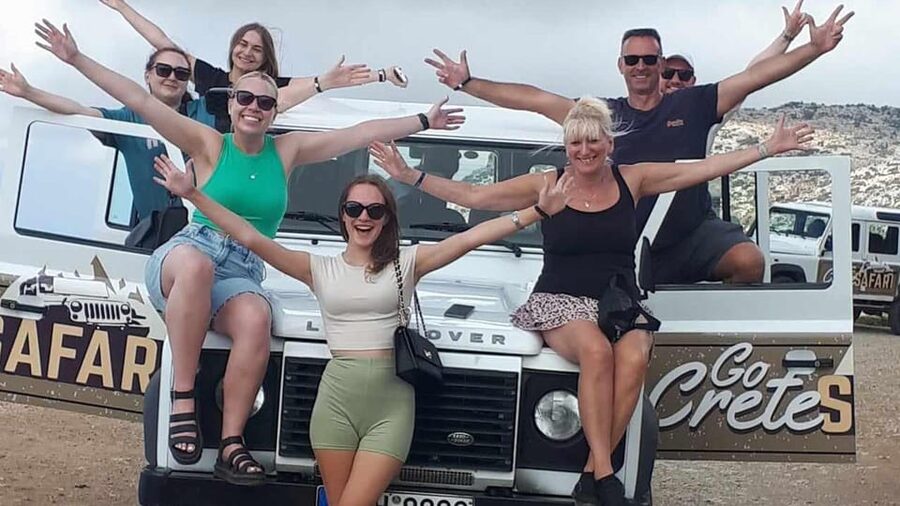
- Lasithi Plateau at altitude: cool mountain air, wide views, and photo stops that feel like a different Crete
- Myth stops tied to real places: Zeus Cave and other mountain sites with stories you’ll actually remember
- Olive oil education + shopping: visit an olive mill and learn how Cretan oil is made
- Cheese and shepherd-farm time: you get hands-on context for how local cheese fits mountain life
- A proper village lunch: a genuine Cretan meal in a local tavern, sometimes with wine or raki
- Dirt-road adventure: the afternoon off-road stretch is a standout for many people
Up to the Lasithi plateau and the Zeus cave
- Crete: Lasithi Plateau and Cave of Zeus Off-Road Safari Tour
★ 4.8 · 886 reviews - Crete: Road-trip to Lasithi, Zeus Cave & Olive Mill Farm
★ 4.4 · 451 reviews - Crete: Zeus Cave, Lassithi Plateau, and Olive Factory Tour
★ 4.7 · 310 reviews - Knossos & Lassithi Private Tour–Discover Zeus’s Land with a Local
★ 5.0 · 137 reviews
Why This Zeus Cave Jeep Safari Works in Central Crete
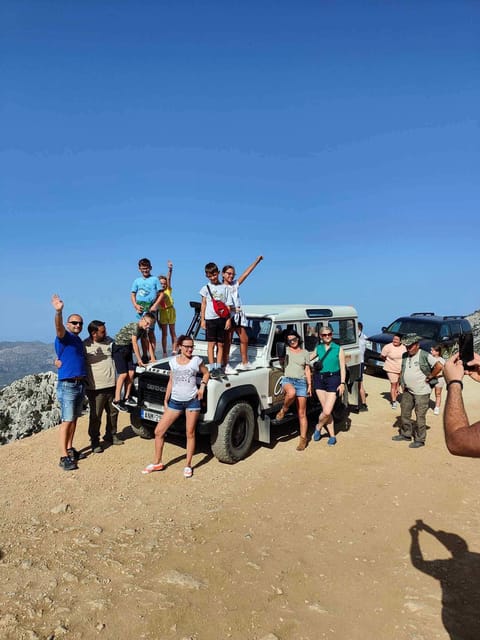
This is one of those tours that turns geography into the main event. You don’t just sit on a bus staring out a window; you drive up into the mountains, stop in working villages, and end the day with a sense of how Crete actually runs.
I also like that the focus isn’t only myth. Yes, Zeus Cave is the headline, but the route is built with grounded stops: the Aposelemis Dam area, an olive mill, a shepherd farm, and the Roman aqueduct remains in Kastamonitsa. If you love context—why things are placed where they are—you’ll appreciate how the day connects food, water, and landscape.
One more practical reason it’s a good value: the tour is 8 hours with free pickup and drop-off from a long list of towns. For travelers who don’t want to rent a car, that door-to-door service is a big deal.
Pickup to Aposelemis Dam: Sfentili’s sunken village moment
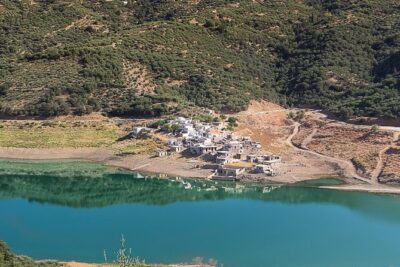
You’ll start with multiple pickup options along the north coast, then head inland toward the dam region. The plan includes a break plus a guided tour stop at Aposelemis Dam for about 20 minutes, which sets the tone for the day: dramatic Cretan engineering mixed with human stories.
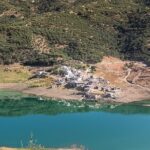
The star detail here is the sunken village of Sfentili, visible from the area. Even if you only catch it for a few minutes, it gives you a “Crete isn’t frozen in time” reminder. People were living here, and water management changed the shape of the valley.
This is also a great early moment to get your photos. You’re still fresh, the group is still energized, and the ride hasn’t turned into full-on mountain mode yet.
Avdou and Krasi: olive oil culture, snacks, and village pacing
As you move through central Crete, the tour leans into smaller places rather than big-city stops. Avdou is built for browsing and tasting: there’s time for sightseeing, shopping, local snacks, and even a market visit.
Expect the Avdou/nearby segments to feel like a “slow down and watch” experience. You’ll get a guided introduction, but you’ll also have space to wander and look for local products.
Then you’ll reach the Krasi area for another break and viewpoint-style stops. The schedule includes photo time and guided sightseeing, plus about 45 minutes of scenic driving. This is the stretch where you start to feel the route change: olive groves give way to more mountain texture, and the light shifts as you climb.
A big reason I like this part of the day: it’s not just driving. You’re learning while moving, and you’re also allowed to choose how social you want the breaks to be.
More 4x4 days into the Cretan backcountry
Olive mill time and shepherd-farm stops: how Cretan food has a geography
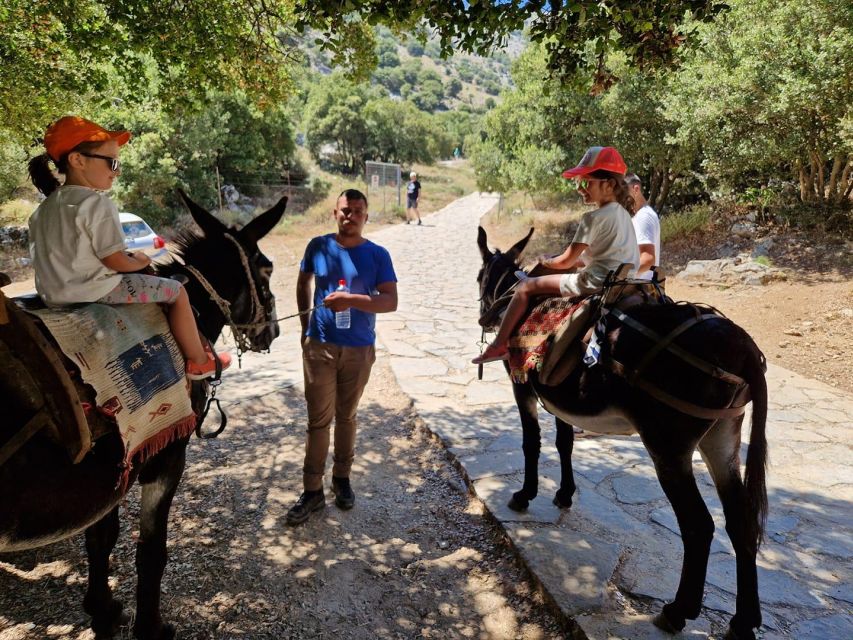
One of the most memorable elements is how the tour explains everyday Cretan life through food production. You’ll visit a traditional olive mill where you learn how Cretan olive oil is produced, and you’ll have the chance to buy olive oil and related products.
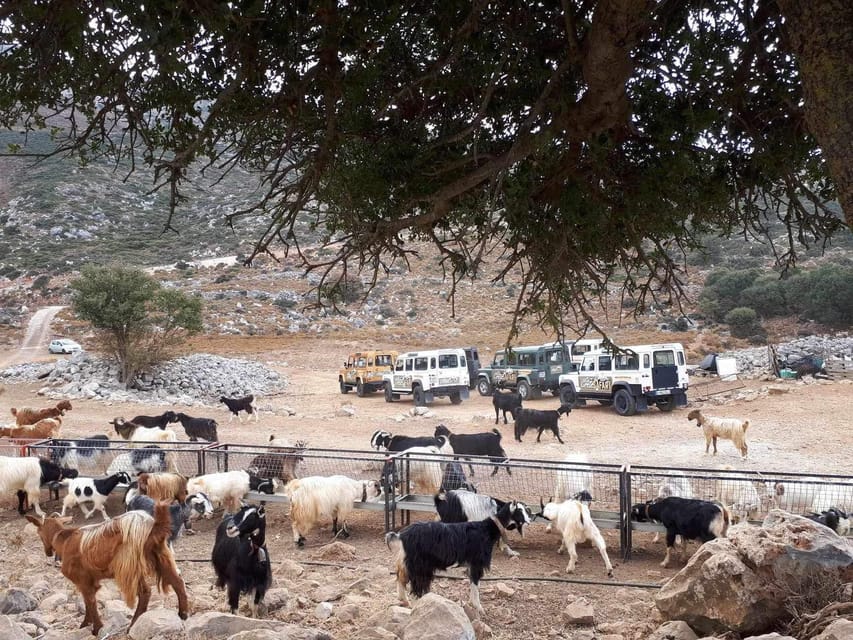
Later, the itinerary includes time at a shepherd farm. This is where the day shifts from “watch and learn” into “why it matters.” You’ll get a chance to understand how traditional Cretan cheese is produced, which makes the taste of local food feel more specific, not just delicious.
These stops are valuable for two reasons:
- They connect the mythology route to a real economy. Zeus Cave is dramatic, but olive oil and cheese are the daily magic that keeps mountain communities alive.
- You leave with something you can carry home. Even if you don’t buy much, you’ll know what you’re tasting and why it’s different.
And yes, food breaks can be social. In past runs, lunches and tastings have come with extras like music and local drinks such as raki, so the meal can feel like part of the culture, not just fuel.
Lasithi Plateau at about 1,150 meters: views, wildlife, and time to breathe
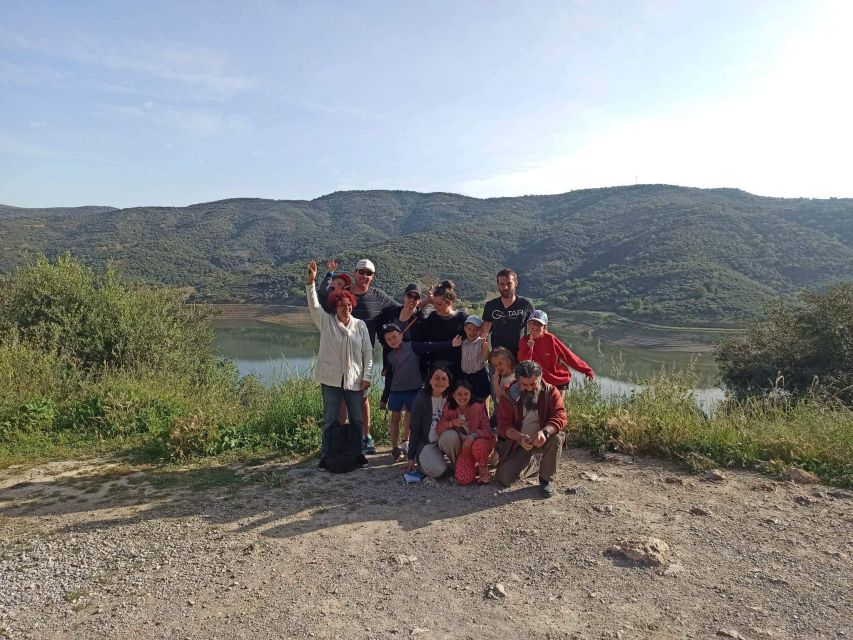
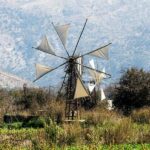
The Lasithi Plateau segment is where the tour becomes a true mountain adventure. You’ll reach the plateau and then get a photo stop plus time to take in the region.
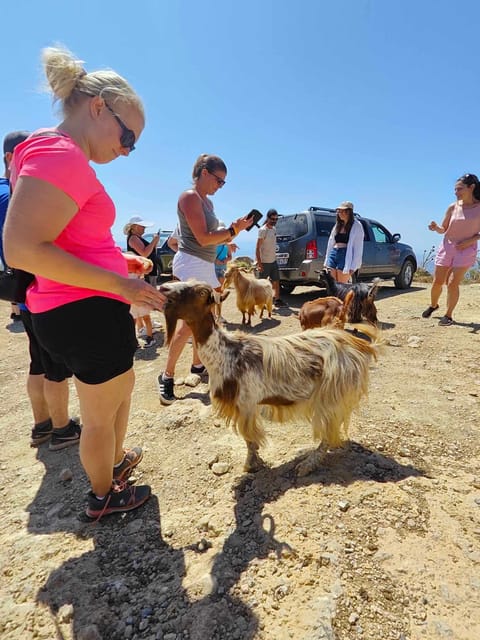
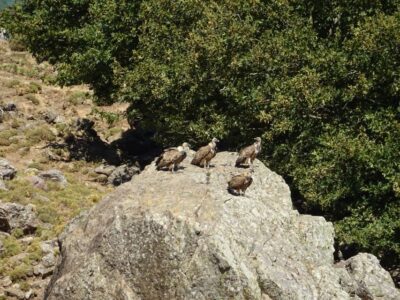
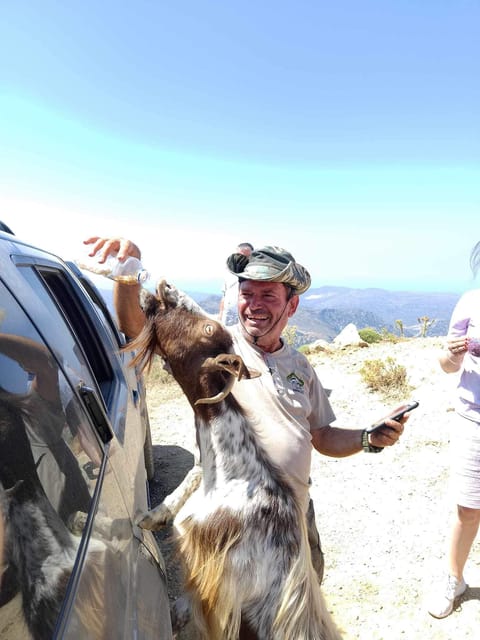
The schedule includes free time, sightseeing, and specific food moments like cheese tasting and other tasting opportunities. There’s also wildlife viewing built in, which is one of those details that can turn a normal stop into a story you tell later. In one standout moment, a guide made sounds on the plateau and goats ran up for their daily food—simple, silly, and exactly the kind of “I get why this matters” scene you hope for on a day tour.
Weather can change how this feels. Fog and heavy rain have happened, but guides have adjusted to keep the day interesting—adding time at other viewpoints and points of interest when visibility is poor. That matters because plateau views are the whole point, and a good guide protects the experience even when nature misbehaves.
This is also where you’ll want to be mentally prepared for altitude. You may feel a temperature shift compared with the coast, even in summer. Layers help.
Diktaion Andron and the mountain brunch moment
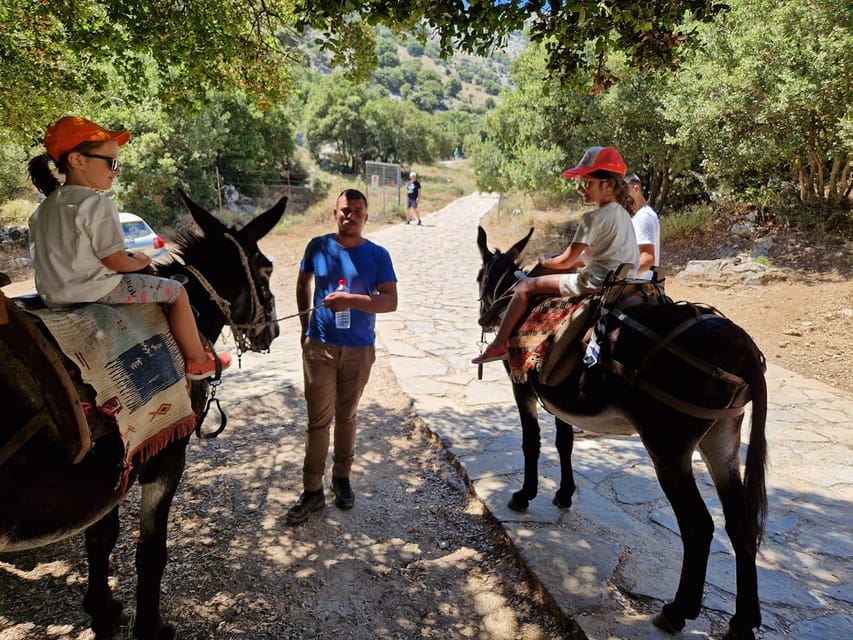
After the plateau time, the itinerary continues into the mountain mythology zone around Diktaion Andron. The plan here includes breaks, photo opportunities, and a combination of rest plus food and drink time (including wine) along with a longer window that allows for hiking and local snacks.
This stop is doing two jobs at once:
- It keeps the myth theme active with more place-based context.
- It gives you a longer stretch where you can pace yourself—some people enjoy the walking, others just take photos and soak in the air.
If you’re the type who likes getting a little sweat going on holiday, this is a good match. If you prefer shorter walking, bring a practical mindset: wear shoes you’re comfortable in, and go at your own speed.
Also, since the day is packed, this part acts like a reset before you hit the Zeus Cave focus and the final village chapter.
Zeus Cave expectations: tickets, closure dates, and the myth payoff
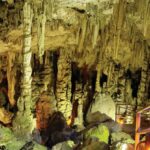
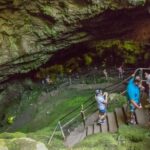
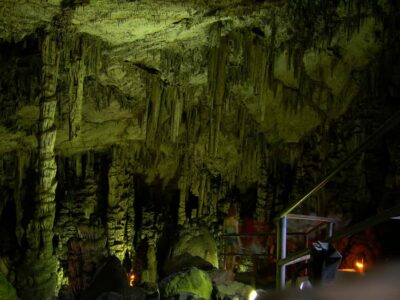
Zeus Cave is the headline visit, and mythology says it’s the place where the father of the gods was born. You’ll visit the cave on the day, but there are two practical things to know so you don’t get surprised.
First: the Zeus Cave ticket is separate. For EU citizens it’s generally 6€, students may be free, and over 65 can be 3€. For non-EU visitors, the general price is also 6€, students 3€, and over 65 3€. (In other words, it’s not included in the tour price.)
Second: the cave has a closure period: from 30/9/2024 to 10/11/2025. So if you’re planning around those dates, you need to confirm what your day looks like instead.
Is it worth it? If you’re a mythology fan, yes, because the cave visit is exactly the kind of place-based story that sticks in your head. If you’re less into myths, it can still feel worthwhile because you’ll come here after mountain driving and village food, so the day doesn’t feel like one long bus ride to a single stop.
Bring realistic cave expectations: it’s a cave, so temperatures can feel cooler than outside. Have a thin layer so you’re not stuck deciding between cold and comfort.
Off-road dirt-route photos to Kastamonitsa’s Roman aqueduct ruins
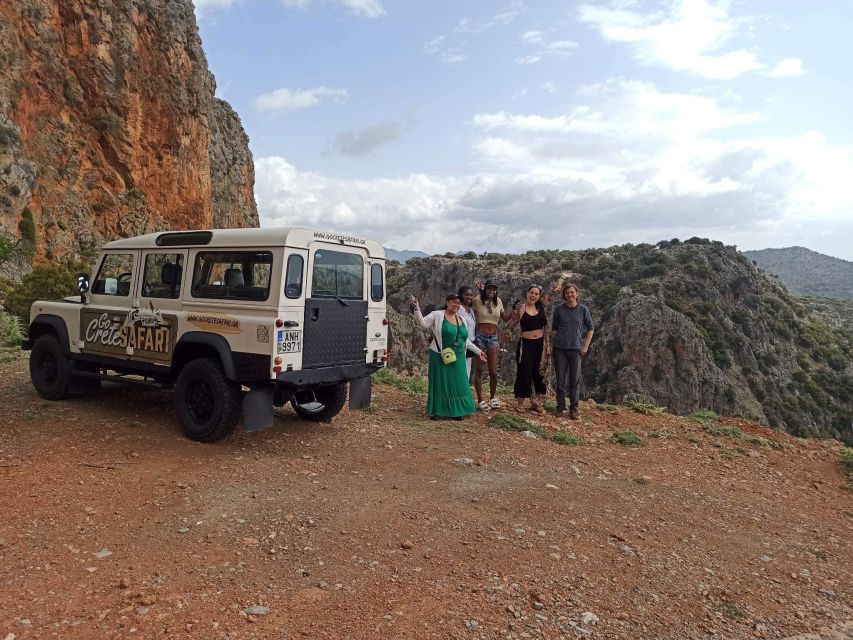
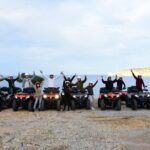
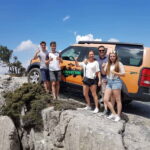
After the meal in a local tavern, the tour switches into that “this is why jeep safari exists” mode. You’ll follow a beautiful dirt route at altitude around 1,150 meters, and this is the stretch people often highlight as a personal favorite.
This part is built for photos. The road climbs, the group stops for viewpoint moments, and you get the kind of wide-angle mountain shots that just don’t happen on paved roads.
Then the day descends into Kastamonitsa, a traditional village. Here you’ll visit the remains of a Roman aqueduct, and you’ll learn about how it was useful for the surrounding areas. That’s a nice final touch because it brings the day full circle: water management was important centuries ago, and it’s still visible today.
This also makes for a satisfying finish. You get the mountain and the myth earlier, then you end with practical history you can visualize in the valley.
Price and value: what $100 buys you (and what costs extra)
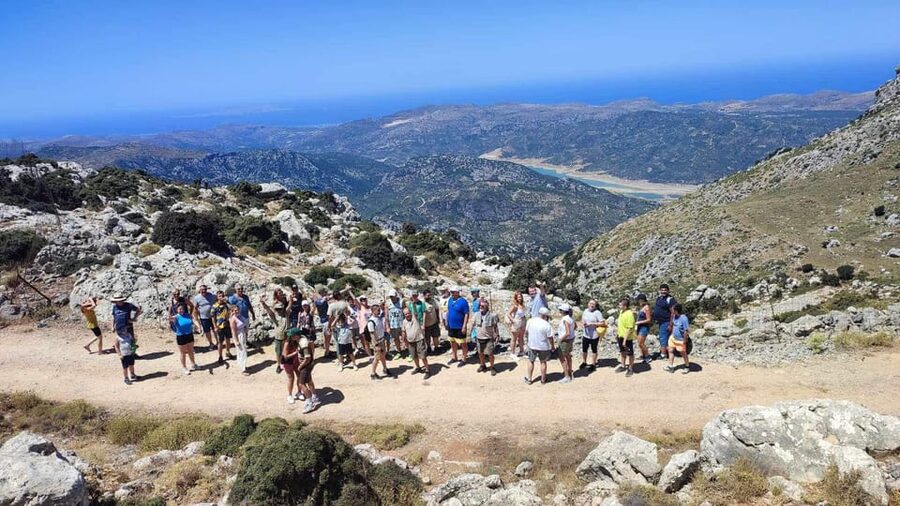
At around $100 per person for an 8-hour day, this tour can be good value if you want a guided mix of mountain driving, multiple stops, and included lunch. The key included pieces are free pickup and drop-off, free lunch, and fuel plus experienced drivers.
Where your money turns into value:
- You’re getting transportation to multiple central-Crete sites without hiring a car or dealing with tricky inland navigation.
- The day includes several structured stops with guides: dam area, villages, and food production time.
- Lunch is included, and in past runs, local drinks like wine or raki have been part of the meal setup.
What may cost extra:
- Zeus Cave ticket (as detailed above).
- Any purchases you choose to make at olive oil or local shops.
If you’re traveling with someone who wants variety—myth, food, scenery, and a little dirt-road thrill—this fits well. If you’re the type who prefers one or two stops and long wandering time, you might find the day feels packed. Still, the tour has a rhythm that keeps moving without feeling like a race.
Who should book this jeep safari?
Book this tour if you want:
- A guided, place-based day with Zeus Cave as the anchor
- Real food context: olive oil and cheese production, not just tastings
- A mountain experience from the coast without renting a car
- Off-road time that’s fun but still guided and structured
It can also work well for older travelers, as long as you’re comfortable with some walking and road vibrations. One highlight from a high-age guest was how they preferred the jeep experience over more intense ride options while still enjoying the plateau.
I’d think twice if you need a fully flat itinerary or zero unpaved roads. The experience includes dirt-road adventure and at least some hiking time, so pick this when you’re okay with activity.
Should you book the Crete Lasithi Plateau Zeus Cave jeep safari?
If you’re balancing myth with real-life Crete food culture, I think it’s an easy yes. The day gives you a route that connects dam history, olive oil work, shepherd life, and Roman water engineering, all wrapped around jeep driving and mountain viewpoints.
The only hard “no” is timing: double-check the Zeus Cave closure window if your dates fall in that range. Also plan for a bit of walking at the mountain stop areas and dress for altitude changes.
FAQ
How long is the Crete Lasithi Plateau Zeus Cave jeep safari tour?
The tour duration is listed as 8 hours.
What’s included with the price?
It includes free pickup and drop-off, free lunch, fuel, and experienced drivers.
Where does pickup and drop-off happen?
Pickup is offered from many locations around Crete’s north coast, and the drop-off point is the same as the pickup point.
Do I need to buy a ticket for Zeus Cave?
Yes. The Zeus Cave ticket is 6€ for general EU citizens, free for students (EU), and 3€ for visitors over 65 (EU). For non-EU citizens, it’s 6€ general, 3€ for students, and 3€ for those over 65.
Which languages does the live guide speak?
The live guide is offered in Dutch, English, French, German, Italian, and Russian.
Is this tour private or shared?
It can be private or small groups, depending on availability.
Is Zeus Cave open year-round?
No. Zeus Cave is closed from 30/9/2024 to 10/11/2025.
Is alcohol allowed on the tour?
Alcohol is not allowed, and alcohol and drugs are listed as not permitted.
More Tour Reviews in Crete
Off-Road into the Backcountry
Up to Lasithi and the Zeus Cave
Fresh Off the Boat: Newest Crete Reviews
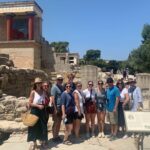
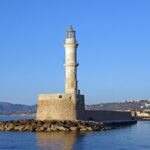
Lasithi Plateau & Zeus Cave, compared.
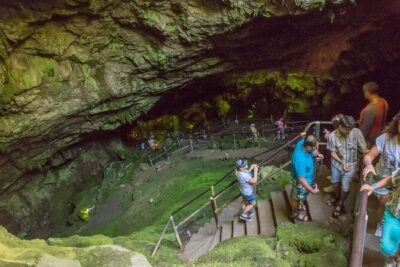 ★ 5.0Full-Day Small-Group Tour in Crete with Zeus Cave VisitFrom $1071,099 reviews
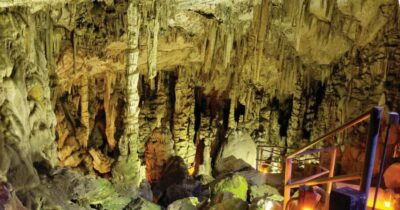 ★ 4.8Lasithi Plateau and Cave of Zeus Off-Road Safari TourFrom $104886 reviews
 ★ 5.0Knossos-Zeus Cave -Old Traditional Villages-Olive Oil FactoryFrom $136694 reviews
 ★ 4.4Road-trip to Lasithi, Zeus Cave & Olive Mill FarmFrom $47451 reviews
 ★ 4.6Lassithi, Zeus Cave, Olive Mill Farm & Knossos Combo TourFrom $58404 reviews
 ★ 5.0Zeus Cave, Lassithi Plateau, Olive Oil Factory, Kritza, PotteryFrom $119362 reviews
 ★ 5.0Knossos & Lasithi Plateau: Zeus Cave,Villages, Olive Oil TourFrom $127328 reviews
 ★ 4.7Zeus Cave, Lassithi Plateau, and Olive Factory TourFrom $115310 reviews
Browse the lists this tour appears in