Review · CRETE
Chania WW2 Private Tour Battle of Crete, Battlefields and Bunkers
WWII feels close on Crete, and Chania makes it personal. This private Battle of Crete experience connects the big military story to specific places—Maleme’s start points, German bunkers, and the cemeteries where families still remember.
I love how the tour is led by a licensed professional historian guide (licensed by the Greek Ministry of Tourism & Culture), so you’re not just looking at ruins—you’re getting clear why-and-how context. I also like that the day is paced with real stops—Maleme, Platanias, Souda Bay, and Chania town—instead of one long drive with a couple quick photos.
One drawback to think about: one stop includes a makeshift museum entry fee (5 Euro per person) and that stop is noted as not operating on Sundays, plus parts of the bunker exploration can mean uneven, rocky ground.
In This Review
- Key points to know before you go
- Maleme: where the Battle of Crete begins
- Maleme German Military Cemetery and Hill 107 bunkers
- Platanias war shelters: the occupation’s practical engineering
- Souda Bay Commonwealth War Cemetery: a respectful pause
- Chania town WWII museum stop: relics and context (Sundays note)
- The highlight: a three-story German cave bunker system with big views
- Chania WWII tour value: what $195.18 buys you
- Who should book this private Battle of Crete day
- Should you book Battle of Crete Battlefields and Bunkers in Chania?
- FAQ
- How long is the Chania WWII private tour?
- What time does the tour start?
- Is hotel pickup included?
- What language is the tour in?
- Is it a private tour?
- Are there any paid admissions during the tour?
- Do you visit cemeteries on the tour?
- What’s included besides the guide?
Key points to know before you go
- Start at Maleme, where the Battle of Crete story begins, then work outward logically.
- Hill 107 + Maleme German Military Cemetery give you both the battlefield and the aftermath in one loop.
- Platanias war shelters come with a strong explanation of why so many installations were built during the German occupation.
- Souda Bay Commonwealth War Cemetery is a short, respectful pause with British Commonwealth and ANZAC graves.
- Chania town includes a makeshift WWII museum (except Sundays), plus German occupation relics.
- The cave bunker highlight is in an undisclosed location, so you won’t be able to plan that part in advance.
Still weighing it up? A handful of other Crete trips worth a look beside this one.
- From Kissamos Port: Boat Cruise to Balos Lagoon & Gramvousa
★ 4.2 · 6,755 reviews - From Chania: Full-Day Samaria Gorge Trek Excursion & Guide
★ 4.6 · 3,191 reviews - Cretan Safari – 4×4 Adventure to Preveli Beach with Lunch
★ 5.0 · 780 reviews - Elafonissi Beach Day Trip from Chania -Stop in Elos Village
★ 4.5 · 744 reviews
Maleme: where the Battle of Crete begins
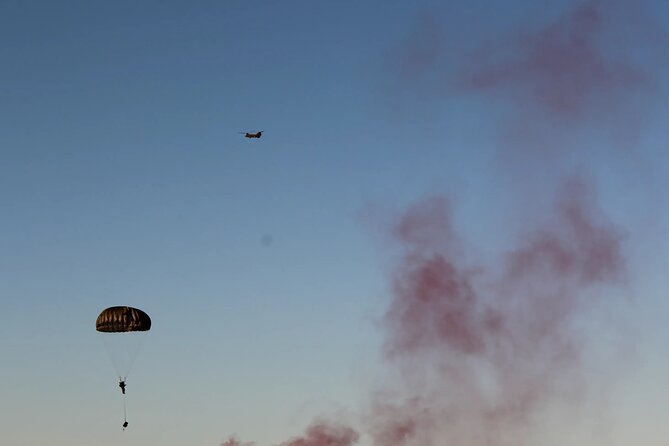
The day starts in the Maleme area, and that choice matters. If you want to understand the Battle of Crete, you need a starting point tied to the attack’s momentum and the logic behind it. Here, your historian guide sets the stage: why the Germans went after the island, when it happened, and what the outcome meant for Crete and for the wider war.
You’ll spend about two hours in this first phase, so it’s not a rushed “quick overview.” This is the segment that helps you connect the later stops—cemeteries, bunkers, and shelters—back to a single narrative thread. If you’re the type who likes to understand the chessboard, this start makes the rest of the day click.
Practical tip: expect this to be the most explanation-heavy part of the tour. If you have questions (airfields, strategy, occupation realities), this is where you’ll get the best payoff.
Maleme German Military Cemetery and Hill 107 bunkers
Next comes Maleme German Military Cemetery, with a focus that’s both historical and physical. You’ll visit where German soldiers rest from WWII, and you’ll also move toward Hill 107 and the surrounding WWII bunkers, lookouts, hideouts, ammunition depots, and storage rooms.
This is a strong combo because the cemetery gives you the human end of the story, while the nearby battlefield installations give you the military one. The guide can point out how the terrain shaped defensive thinking—why certain positions were used and how communication and storage worked in a bunker system designed for wartime survival.
You’ll spend about one hour in this stop. It’s not “all day,” but the time feels right because there’s variety: graves, then the nearby battle infrastructure. You’ll come away with a clearer sense of how the occupation and fighting left layered traces, not just one preserved monument.
What to watch for: bunker areas can be uneven and exposed. Even if you’re not doing any heavy hiking, wear shoes you trust on rough ground.
Platanias war shelters: the occupation’s practical engineering
After Maleme, the day heads to Platanias for various World War Two war shelters. This stop is shorter (about 45 minutes), but it’s designed to answer a big question: why did Crete end up with so many military installations?
Here’s where the guide’s story matters. The explanation is not just about battles—it’s about the German occupation and the need for defensive storage, shelter, and observation. When you stand near installations like these, the “why” stops being abstract. You can physically sense the logic: views for spotting, protection for personnel, and space for war matériel.
And the views help. Your guide ties the architecture to the terrain, so you’re looking at more than just stone and concrete. You’re learning how occupation forces adapted to local geography along Crete’s coast.
If you’re short on time in Chania, I still think this stop is worth it, because it connects the story from Maleme’s start to the occupation’s everyday defensive infrastructure.
Souda Bay Commonwealth War Cemetery: a respectful pause
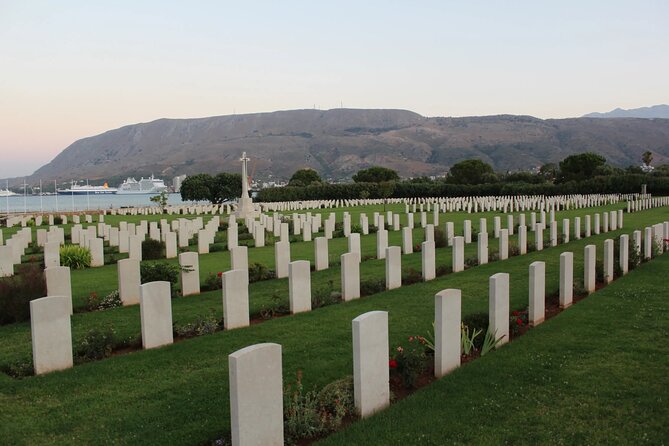
Then comes a calmer moment at Souda Bay Commonwealth War Cemetery, where 1527 British Commonwealth and ANZAC soldiers are resting. This stop is about 30 minutes—brief, but meaningful.
This cemetery segment is valuable because it resets the day. When your brain has been tracking tactics, bunkers, and defensive positions, seeing graves helps you remember what all of it cost. It’s also a useful balance: this tour isn’t only focused on one side’s military machinery.
If you’re traveling with kids or anyone who gets overwhelmed by too much war talk, this is a good point in the day to slow down. You can spend a few minutes taking in names and layout, then let the guide bring the history back to a wider perspective.
Bring a moment of quiet with you. Even if you’re on a tight schedule, cemeteries deserve a little space.
Chania town WWII museum stop: relics and context (Sundays note)
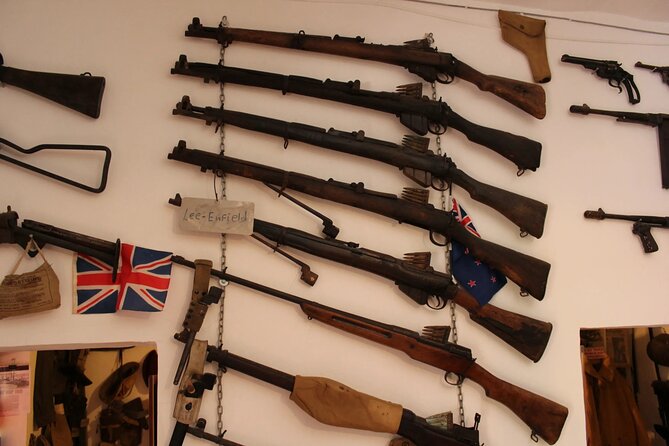
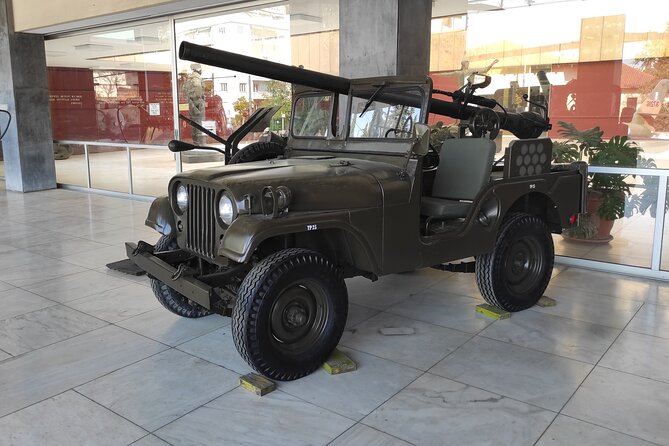
In Chania town, the tour includes a makeshift World War Two museum with historic war relics connected to the German occupation and the British/Greek defense of the island. This stop runs about 45 minutes.
The museum part is separate from the “field” stops, and that matters. When you’ve spent hours moving through bunker spaces and battle-adjacent sites, you tend to understand the war on a physical level. A museum-like stop helps you understand it on a human and documentary level—what people used, what was kept, what remained.
Important practical note: this museum stop is marked as not included on Sundays. Also, entry is 5 Euro per person, not included in the tour price. You’ll want to plan a bit of budgeting for that if your day falls on a weekday.
One more thing I’d do if you’re interested in the occupation period: ask your guide one question at the start of the museum stop. Something like, what should I notice first? That helps you read the relics with better context instead of treating it like random objects.
The highlight: a three-story German cave bunker system with big views
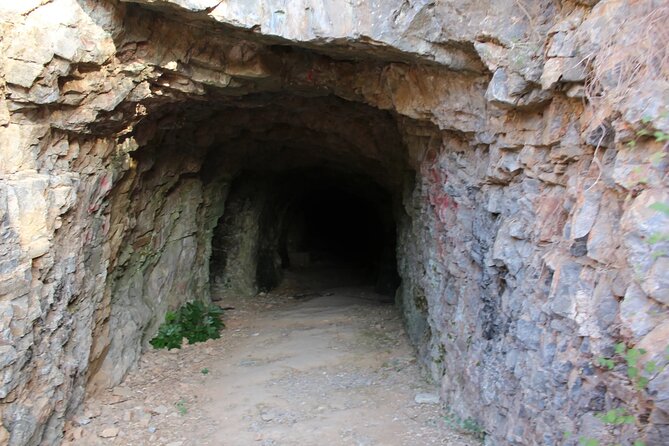
If Maleme sets the story, the cave bunker system is the moment where it becomes unforgettable.
This portion is described as a one-of-a-kind cave bunker system carved in solid rock by the Germans during WWII. It’s also a three-story high bunker system, and it’s located in an undisclosed location. The trade-off is obvious: you can’t pre-scout it, but you do get an element of surprise and a site that isn’t your typical “tourist postcard.”
You’ll spend about two hours here, and that time includes both battlefield/bunker exploration and guided explanation from your historian guide. The payoff is twofold:
- You understand the engineering choices behind a rock-carved defense.
- You get phenomenal views across the Souda Bay area and the Aegean Sea.
That view component is a big deal. When you look out from a bunker position, the landscape turns into part of the story. You start understanding why observation points mattered and how the coastline shaped defensive thinking.
What to consider before you go: this is the most physically demanding stop on paper, mainly because cave and bunker spaces can involve uneven footing and enclosed areas. If you’re sensitive to tight spaces, tell your guide early so they can pace you.
Chania WWII tour value: what $195.18 buys you
The price is $195.18 per person, and on a private tour, the real question is whether you get your money’s worth in three areas: expertise, time, and logistics.
Here’s what you’re paying for:
- Private transportation in an air-conditioned vehicle, which is a comfort win in Chania’s warm months.
- A licensed historian guide, which is where the tour distinguishes itself. WWII sites can easily turn into a photo walk. This day is built to be a guided explanation-heavy experience.
- Snacks and WiFi on board, which keeps the day comfortable between stops.
- All fees and taxes included, with the one known exception: the makeshift museum entry fee (5 Euro per person).
The tour is 6 to 7 hours total and includes hotel pickup, starting around 9:00 am. That timing matters because you’re not just squeezing history into a late afternoon. You get a full day arc: origin, battlefield infrastructure, occupation installations, a cemetery pause, and then the engineering spectacle of the cave bunker.
Also, there are group discounts, and it runs as a shore excursion option if you’re visiting via the Chania or Souda cruise port. If you’re on a cruise schedule, that can make a big difference.
To me, this price makes sense when you want a private, guide-led day with minimal guesswork. If you prefer wandering on your own and reading at your pace, a self-guided plan could be cheaper—but you lose the “why this place mattered” explanations.
Who should book this private Battle of Crete day
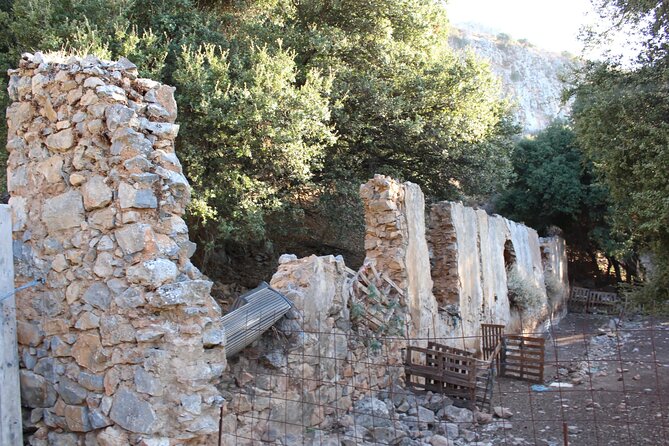
This is a great match if:
- You want a private tour and hate feeling rushed.
- You like WWII history, but you want the context behind it, not just the names of places.
- You appreciate when a guide connects military events to real local life.
A real strength comes from the way the guide style is described. One guide associated with this tour, Apostolis Panigyrakis, is noted for being an excellent storyteller, and for connecting the WWII narrative with Crete culture and food. That means you’re not locked into dates only. You’re getting a sense of how people in Chania lived through or carried forward the island’s experience.
This tour might be less ideal if:
- You want zero walking and no time in uneven outdoor areas.
- You’re visiting on a Sunday and were counting on the makeshift museum stop, since it’s not operating that day.
Should you book Battle of Crete Battlefields and Bunkers in Chania?
I’d book it if you want a guided day that actually teaches you what you’re seeing. The combination of Maleme’s start area, cemetery + Hill 107 bunkers, Platanias shelters, Souda Bay graves, a Chania town museum stop, and then a three-story cave bunker system makes the story feel complete instead of scattered.
The value also improves if you’re traveling with a small group and can use the private format to ask questions. You’ll get far more out of the sites when a licensed historian can explain what you’re looking at, right where you’re standing.
Just plan for the small extra cost at the museum (if it’s open on your day) and wear shoes that work on rough terrain.
If that sounds like your kind of day, this is one of the more focused ways to experience the Battle of Crete around Chania.
FAQ
How long is the Chania WWII private tour?
It runs about 6 to 7 hours.
What time does the tour start?
The start time is 9:00 am.
Is hotel pickup included?
Yes. Pickup is offered, and the guide meets you at the hotel lobby 5 minutes before the start time.
What language is the tour in?
The tour is offered in English.
Is it a private tour?
Yes. It’s private, meaning only your group participates.
Are there any paid admissions during the tour?
Most sites are listed as free, but the makeshift museum entry in Chania costs 5 Euro per person (and is noted as not operating on Sundays).
Do you visit cemeteries on the tour?
Yes. You visit Maleme German Military Cemetery and Souda Bay Commonwealth War Cemetery.
What’s included besides the guide?
The tour includes private transportation, an air-conditioned vehicle, snacks, WiFi on board, and a mobile ticket.