Review · CRETE
Chania: Sightseeing & Tastings Tour
Chania tastes like a history lesson. This 4-hour walk is a smart mix of Old Town stories and real foodie stops, from the Ottoman-and-Venetian lanes to the market where locals shop. The one catch is simple: wear comfortable shoes, because you’re walking a lot on old, uneven streets.
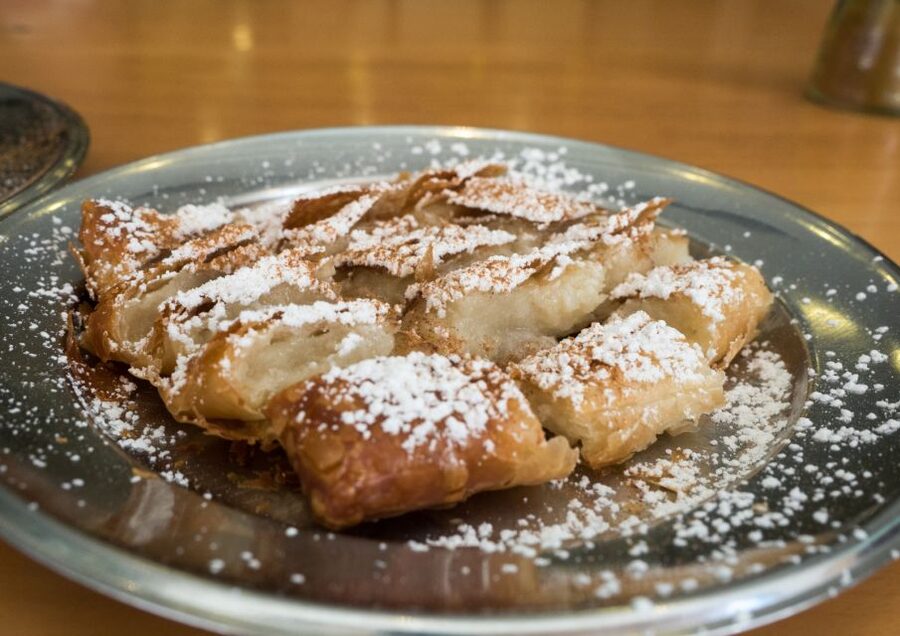
My favorite part is the food flow. You start with Greek coffee, then keep getting small but meaningful tastings like olives, honey, olive oil, local sweets, and a meze-style spread finished with raki (plus wine tasting as part of the route).
In This Review
- Key takeaways before you go
- Start at Kydon Hotel, then into Chania’s real food hub
- Dimotiki Agora tastings: why the market stop is the secret sauce
- Old Town Chania lanes: myths, monuments, and back-street perspective
- The coffee break that keeps the whole day from feeling rushed
- Crafts and hands-on moments: why the workshops matter
- Ottoman and Jewish quarters: multicultural Chania on foot
- Harbor promenade finish: mezedes, raki, and wine tasting
- Is $114 a fair price for a 4-hour Chania food walk?
- Pace, comfort, and who should book this
- How to plan your day around the tour (so it feels effortless)
- Should you book this Chania sightseeing and tastings tour?
- FAQ
- How long is the Chania sightseeing and tastings tour?
- What is the meeting point for the tour?
- How much does the tour cost?
- Is the tour wheelchair accessible?
- What drinks and food are included?
- Is alcohol served during the tour?
- Can vegetarians or other dietary restrictions be accommodated?
- What should I bring?
- Can I cancel and get a full refund?
Key takeaways before you go
- Dimotiki Agora market start in the old-new town boundary, with tastings from family-run shops
- Greek coffee + sweet hits that reset your appetite and pace the walking
- Craftspeople time where you can watch traditional making and sometimes try a skill
- Ottoman and Jewish neighborhood strolls that explain how cultures shaped everyday Chania
- Mezedes + raki near the harbor as a relaxed finish you can build on after the tour
Still weighing it up? A handful of other Crete trips worth a look beside this one.
- Crete: Day Trip to Agios Nikolaos and Spinalonga Island
★ 4.6 · 4,416 reviews - Agios Nikolaos: Boat Trip to Spinalonga with Swim Stop
★ 4.4 · 3,031 reviews - Crete: Knossos Palace Entry Ticket with Optional Audio Guide
★ 3.9 · 2,251 reviews - From Chania: Day Trip to Elafonisi Island Pink Sand Beach
★ 4.5 · 2,014 reviews
Start at Kydon Hotel, then into Chania’s real food hub
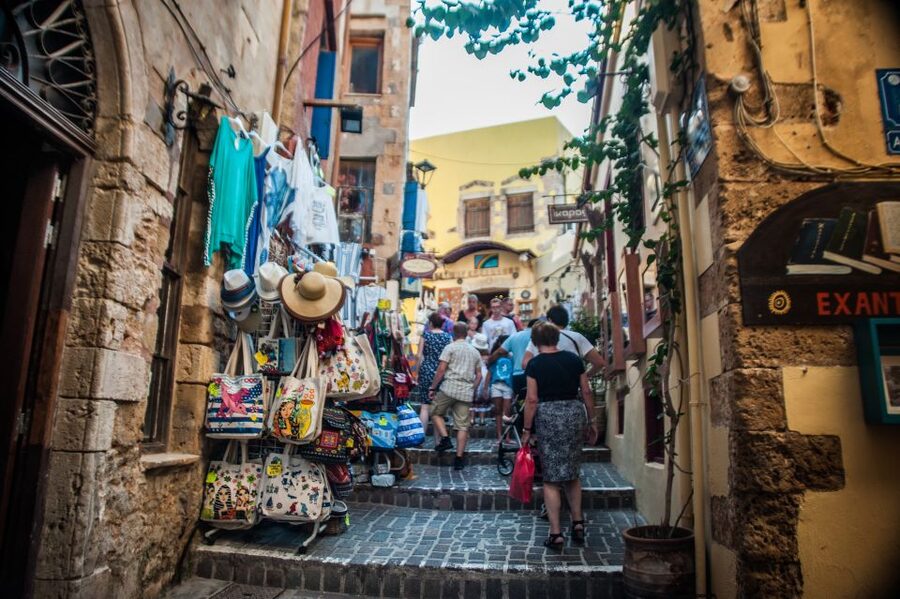
Meet your guide at Kydon, The Heart City Hotel. Your guide stands at the entrance holding a Crete Local Adventures sign, so come a few minutes early and look up.
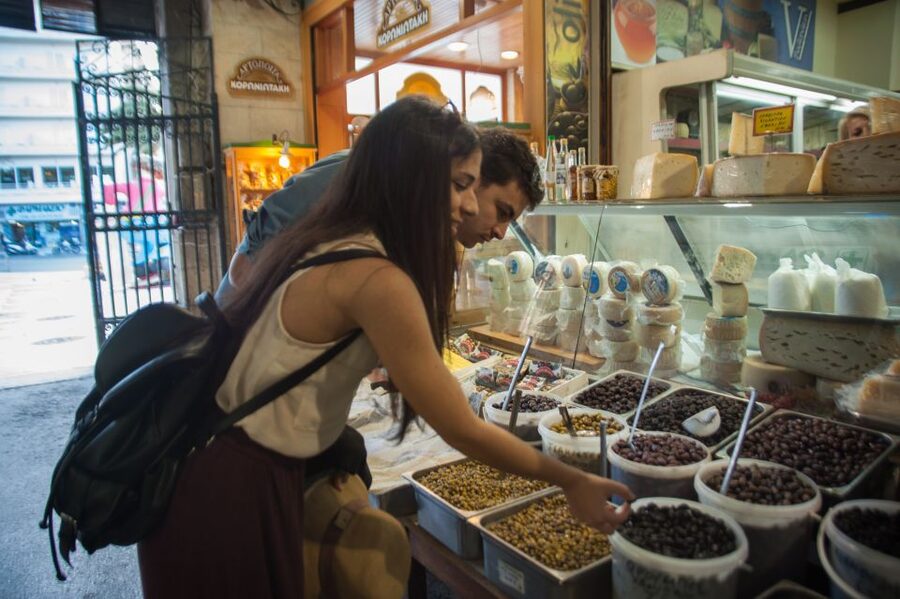
From there, the tour sets you up fast. You head to the Dimotiki Agora (Municipal Market), a local institution established in 1913—the year Crete was unified with Greece. This matters because it’s not a staged “tourist market.” It’s where the old and new parts of Chania meet, and it’s packed with family-owned businesses selling groceries and Cretan products. You’re told there are over 70 family-run shops, and the tastings make that scale feel personal.
What I like about starting here: your senses switch on immediately. You smell olive oil, honey, and fresh food. You get your bearings in the city while your guide explains what makes Cretan eating style different from what you might expect on a Greek menu elsewhere.
Dimotiki Agora tastings: why the market stop is the secret sauce
This is the tour’s foundation, and it’s where the “food tour” part becomes more than just sampling bites.
Expect a mix of tastings tied to the basics Cretans build meals around:
- olives (a Cretan signature, in many forms)
- honey and local sweets
- olive oil you can actually taste for quality
- small regional grocery-style products you can bring home
The practical value here is big. By the time you leave the market, you’ll know what to look for later when you’re shopping on your own. I also like that the tour doesn’t treat food as a single moment. It’s woven into how people live—what they buy weekly, what they cook, and what they serve when friends drop by.
Old Town Chania lanes: myths, monuments, and back-street perspective
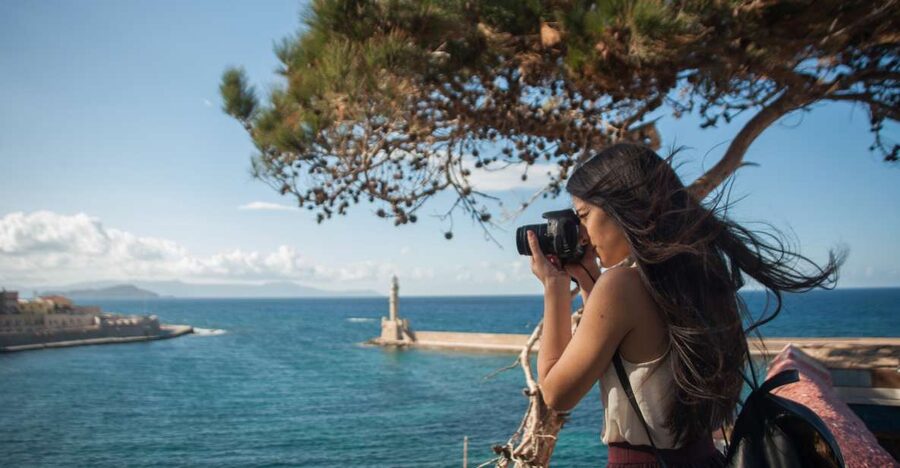
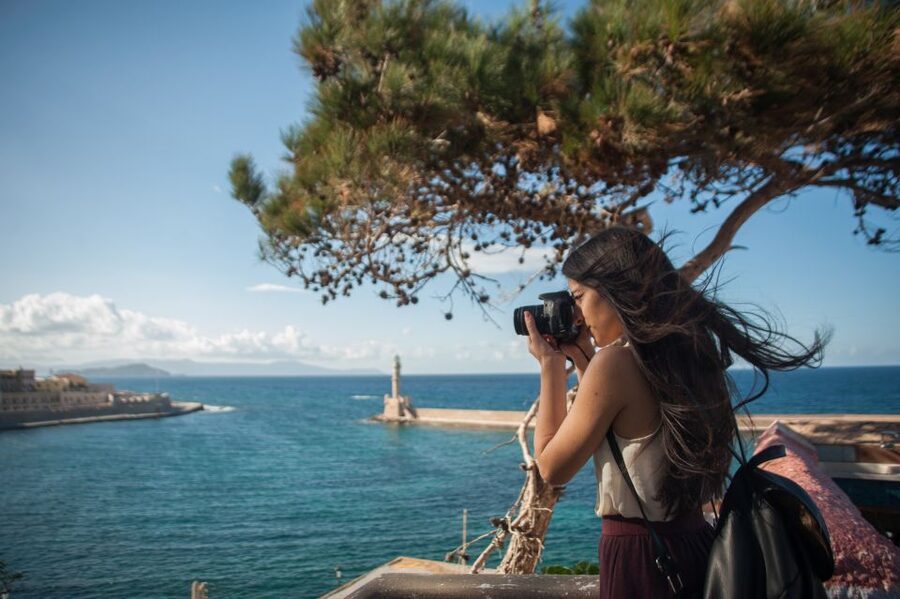
After the market, you shift into walking mode through Old Chania’s tight streets and narrow laneways. This is where the sightseeing becomes specific and memorable instead of generic.
You’ll hear stories and learn how Chania became a crossroads across centuries—Romans, Byzantines, Arabs, Venetians, Ottomans, and Germans all left marks. Your guide ties these changes to the street-level reality you can see: Venetian and Ottoman monuments, plus small details that you’d likely miss without local context.
One of the best parts of the storytelling is the human angle. The tour covers legends and myths featuring kings, sailors, merchants, heroes, lovers, and artists. That sounds like “folklore,” but it helps you understand why certain buildings and neighborhoods feel the way they do today. You start connecting architecture with people and power—not just dates.
If you’re the type who likes to walk through a city and understand why it looks like itself, this section is for you. You’ll also get little pauses for photos and regrouping, since you’re not trying to sprint between stops.


The coffee break that keeps the whole day from feeling rushed
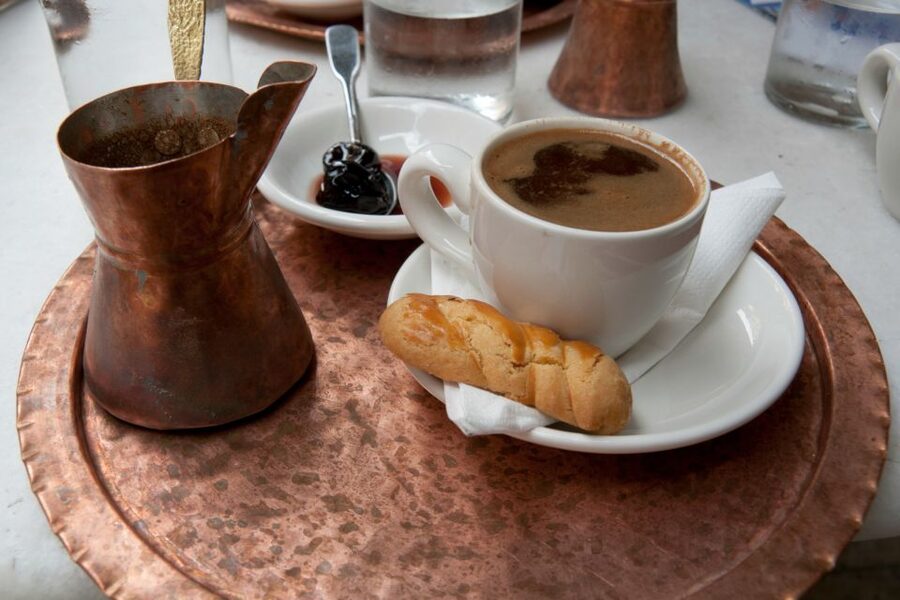
Midway through, you get a coffee stop in the Old Town area. It’s listed as Greek coffee time, and it works like a built-in reset button.
Why it helps: it keeps the tour from turning into continuous eating and walking without breathing room. You’ll have a chance to slow down, regroup with the group, and ask quick questions about what you’re seeing. It also gives you time to digest the flavors from the market before moving into the next neighborhood sections.
Even if you don’t drink coffee at home, this is worth treating as a cultural moment rather than a caffeine boost. Greek coffee is one of those small experiences that makes the city feel more lived-in.
Crafts and hands-on moments: why the workshops matter
Next, the tour shifts toward traditional making. This is where the experience stays grounded in real work.
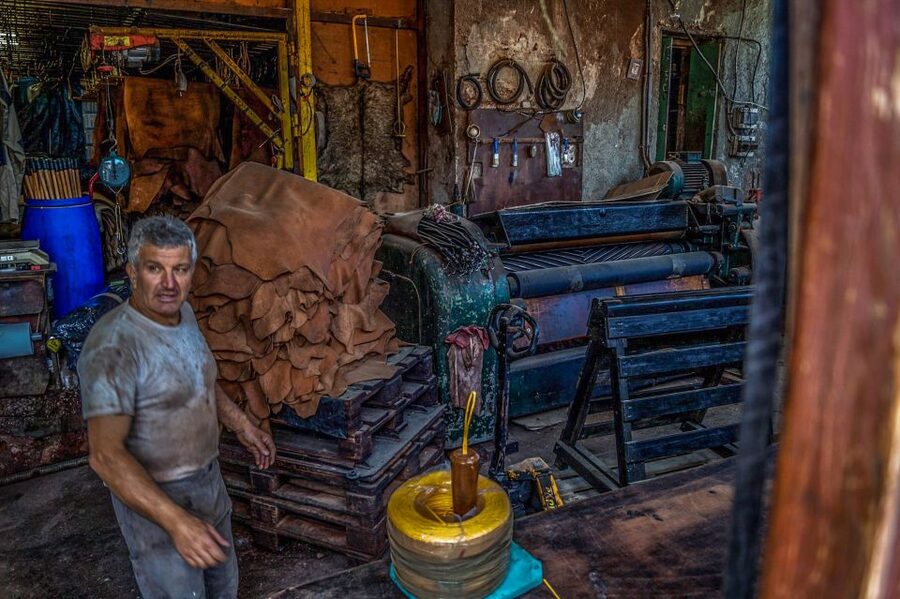
You’ll meet local artisans producing handmade Cretan products, with stories about their process. In some cases, the tour includes a visit to one of the last remaining workshops for traditional handmade Cretan knives, where you can hear directly from the knife maker. You’re not just looking at objects behind a glass case—you get the background that explains why these items are still made and valued.
What to expect if you enjoy hands-on experiences:
- You may be able to test your skills, depending on what’s happening at the workshop.
- You’ll learn how craft links to identity in Crete, not just souvenirs.
And if you’re thinking about shopping: this is the stage where you’ll understand what’s worth paying extra for. It’s also the point where you can ask your guide what to buy and what to skip, since you’ve already tasted key ingredients earlier.
Ottoman and Jewish quarters: multicultural Chania on foot

One of the tour’s most interesting components is the walk through the old Jewish and Ottoman neighborhoods. Chania’s multicultural history isn’t just a museum topic here. It shows up in the layout and in the way your guide frames the neighborhood stories.
You’ll hear how multiculturalism shaped day-to-day life over centuries. That includes what people built, how communities interacted, and how the city’s strategic position influenced who arrived, traded, and stayed.
This section is valuable because it changes how you see Old Town. Instead of treating the city as a pretty backdrop, you start seeing it as a patchwork of communities layered over time. You’ll also pass quiet corners and lesser-known spots, which helps you experience the city beyond the obvious main streets.
Harbor promenade finish: mezedes, raki, and wine tasting
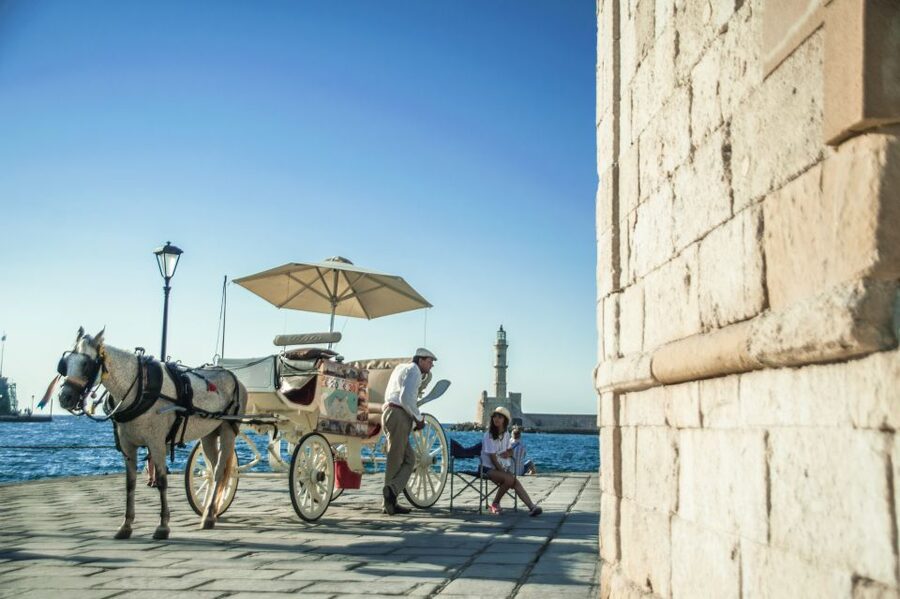
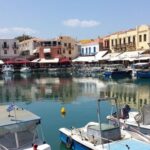
After the neighborhood walking, you head along the historic harbor’s promenade. This is where the tour slows down and the atmosphere opens up.
Then comes the food finale: a local favorite spot with a table of Cretan mezedes (local tapas) and raki. Wine tasting is part of the planned route as well, scheduled later in the 4-hour window, so you’ll likely get a more rounded set of tastes than just beer-or-wine choices you’d make on your own.
This is the moment I’d recommend treating like your “landing” meal. You’re not aiming for a full restaurant dinner afterward. The tour is designed so that the day’s tastings add up to enough food to cover your appetite for hours.
A practical note on alcohol: alcoholic beverages are part of the plan for participants 18 and older. If you’re with younger guests, non-alcoholic beverages are provided.
Is $114 a fair price for a 4-hour Chania food walk?
Let’s talk value, not just cost.
At $114 per person for four hours, you’re paying for three things that are hard to assemble alone:
- Guided history tied to specific streets
You’re not just getting “old town vibes.” You’re getting context for Venetian and Ottoman monuments and for how communities shaped Chania.
- A structured tasting route
The experience includes Greek coffee, local sweets, olives, honey, olive oil, mezedes, and raki. That’s not a couple of samples. It’s a progression.
- Local product access
The market and artisan stops help you learn what’s worth buying and why, including references to traditional handmade Cretan knives.
If you try to DIY this, you’d spend time figuring out where to eat, which shops are legitimate, and what to prioritize. This tour bundles that decision-making and saves your feet.
One consideration: the tour is built for hungry people. If you arrive stuffed from a big breakfast, you’ll feel the portions more than you’ll enjoy them. Many guides stress that you should come empty-handed appetite-wise, and they’re right.
Pace, comfort, and who should book this
This is a walking tour. It’s also wheelchair accessible per the activity listing, which is a plus, but you should still plan for pavement and tight areas. Comfortable shoes aren’t optional here.
Who it fits best:
- You want your sightseeing to include actual food moments, not just photo stops.
- You like learning from a local guide who explains why places matter.
- You’re planning your first visit and want a fast way to understand the city’s neighborhoods and shopping lanes.
Who might not love it:
- If you hate walking or can’t handle uneven Old Town streets, you may feel rushed or uncomfortable.
- If you’re not interested in food beyond one main meal, the repeated tastings might feel like too much.
How to plan your day around the tour (so it feels effortless)
Here’s how to get the most out of the route:
- Skip a heavy breakfast. Keep it light or wait. The tour includes plenty of tastings, plus mezedes and raki.
- Wear shoes you’d actually walk in for miles. This isn’t a “one-street stroll” kind of tour.
- Ask about dietary needs in advance. The tour can accommodate vegetarians and other restrictions if you notify the local partner ahead of time.
- Save your shopping energy for after the market and crafts stops. That’s when you’ll be best at spotting quality and understanding what you’re buying.
Also, don’t schedule a hard-to-change obligation right after the tour. The finish is designed to put you near the harbor area so you can keep wandering calmly afterward.
Should you book this Chania sightseeing and tastings tour?
I’d book it if you want Chania to feel practical and personal in a single afternoon. The market start, the Ottoman and Jewish neighborhood walk, and the way the food tastings build into a proper meze-style finish create a full-picture introduction to the city.
I wouldn’t book it if you only want major landmarks and you hate walking. This tour is about old streets, food stops, and stories that connect neighborhoods to the ingredients you’re tasting.
If you’re on your first trip to Crete and you want to leave with both a satisfied stomach and a better sense of where to go next in Chania, this one is a strong pick.
FAQ
How long is the Chania sightseeing and tastings tour?
The tour lasts 4 hours.
What is the meeting point for the tour?
You meet your guide in front of Kydon, The Heart City Hotel at the entrance. Your guide will be holding a Crete Local Adventures sign.
How much does the tour cost?
The price is $114 per person.
Is the tour wheelchair accessible?
Yes, the tour is listed as wheelchair accessible.
What drinks and food are included?
Included tastings include Greek coffee, local sweets, olives, honey, olive oil, mezedes (tapas), and raki.
Is alcohol served during the tour?
Alcoholic beverages are allowed for participants age 18 or older. Participants under 18 are provided non-alcoholic beverages.
Can vegetarians or other dietary restrictions be accommodated?
Yes. Vegetarians and other dietary restrictions can be accommodated if you notify the local partner in advance.
What should I bring?
Wear comfortable shoes for walking on Old Town streets.
Can I cancel and get a full refund?
Yes. You can cancel up to 24 hours in advance for a full refund.