Review · CRETE
Chania Monasteries Private Tour: A Greek Orthodoxy Tribute
Chania has a quieter side, made of prayers and stone. This private historian-led day shows Orthodox Christian tradition through hidden chapels and monasteries, plus serious Byzantine archaeology context. I especially liked the underground church visit to St. Spyridon and the way Apostolis, your guide, turns each stop into a story you can actually picture.
What’s great is how personal and unrushed it feels. You’re not just hopping from landmark to landmark; you’re learning why these places mattered, from liturgy and altar rituals to the practical role of church wealth in old Cretan farming life. One thing to consider: monastery stops can mean uneven paths, and you’ll need proper clothing to enter churches.
A private group means your pace can match your interests, and in my experience that matters for sites like desolate monasteries with big views. The reviews also point to Apostolis as the kind of guide who’ll answer your questions and still keep the day fun, so you end up feeling like you’re traveling with a knowledgeable local friend—not reciting facts at you.
In This Review
- Key points worth your attention
- A Byzantine-minded Orthodox day in Chania
- How the 7.5 hours feel: private van, real time, and flexible stops
- Your first lesson: Byzantine-era ruins and the meaning of liturgy
- East Chania and the Mount Olympus detour: faith, farming, and prosperity
- A monastery dating back to around 1600: altar details you can actually spot
- Old olive oil mill and the practical power of church wealth
- Underground St. Spyridon: rare, quiet, and memorable
- Akrotiri and the monasteries of active solitude
- St. Spyridon to Mount Athos links: why the stories connect across Greece
- Abandoned monastery complex and a Virgin Mary chapel with Aegean views
- Price and what you’re really paying for (176 euros/$176 per person)
- What to wear and how to make the day easier
- Who should book this Chania monasteries private tour?
- Should you book this tour?
- FAQ
- How long is the Chania monasteries private tour?
- What is the price per person?
- Is this a private tour or a group tour?
- What languages are used with the guide?
- Is hotel pickup and drop-off included?
- Are entrance fees included?
- What food is included during the day?
- Is there wheelchair accessibility?
- What clothing do I need for monasteries?
Key points worth your attention
- Certified, history-focused guide: a professional historian specialized in Byzantine archaeology (EN–DE–GR).
- Underground devotion: a visit to a rare Greek Orthodox underground church devoted to St. Spyridon.
- Byzantine-era church complex: you’ll see a church complex dating back to the Proto Byzantine era and learn why details like the altar matter.
- Orthodoxy + daily life connections: you’ll connect faith, rituals, and local farming, including a stop at an old olive oil mill.
- Akrotiri monastery tradition: mountain passes, cultivated monastery lands, and a sense of active monastic life.
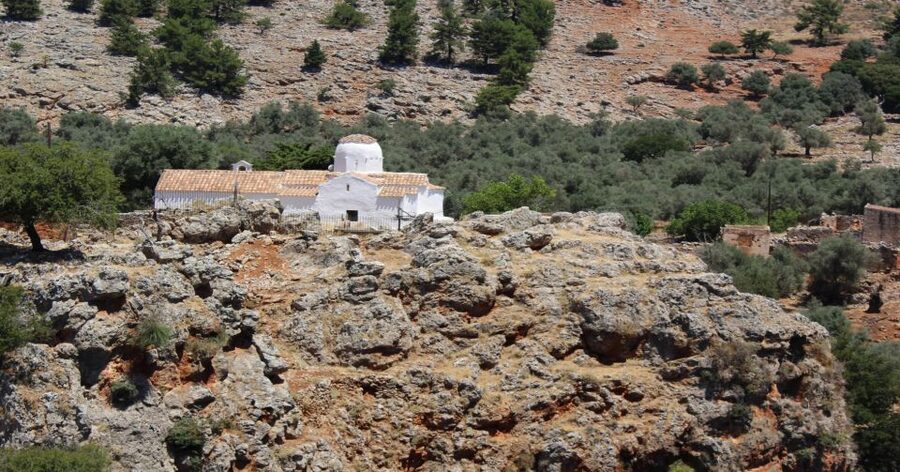
- Great viewpoints at the end: an abandoned monastery complex and a white-washed chapel devoted to the Virgin Mary with Aegean views.
Still weighing it up? A handful of other Crete trips worth a look beside this one.
- From Kissamos Port: Boat Cruise to Balos Lagoon & Gramvousa
★ 4.2 · 6,755 reviews - From Chania: Full-Day Samaria Gorge Trek Excursion & Guide
★ 4.6 · 3,191 reviews - Cretan Safari – 4×4 Adventure to Preveli Beach with Lunch
★ 5.0 · 780 reviews - Elafonissi Beach Day Trip from Chania -Stop in Elos Village
★ 4.5 · 744 reviews
A Byzantine-minded Orthodox day in Chania
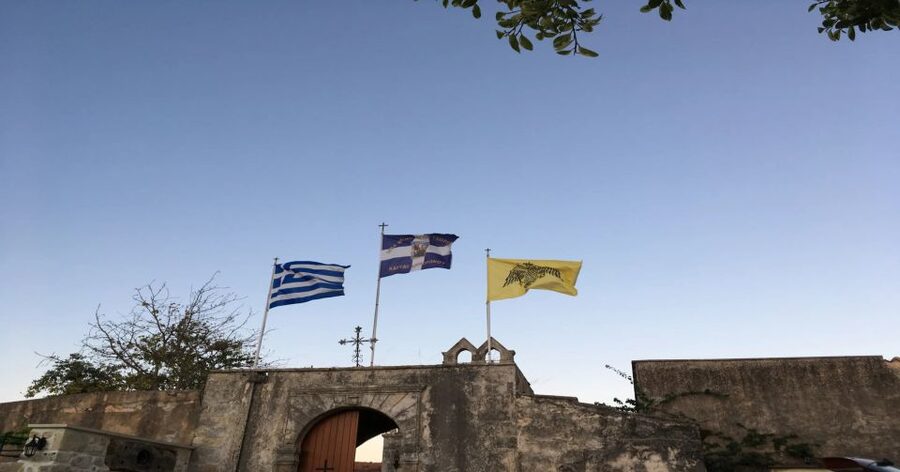
This is a Christian tradition tour, but it’s not religious in a pushy way. You’ll learn how Orthodoxy shaped daily life in Crete—where worship happened, how communities supported monasteries, and how architecture and ritual work together. The tour’s backbone is a Byzantine archaeology perspective, so you won’t just see buildings. You’ll understand what you’re looking at and why it’s still part of living faith.
A big reason I like this format is the balance between places and explanations. You get ruins and chapels, yes. But you also get the “how and why”: how divine liturgy was carried out, why the altar is significant, and how certain monastic traditions relate to the broader Orthodox world. If you’re the kind of traveler who enjoys details—stonework, worship spaces, and how people lived—this day fits you well.
And because it’s private, you can set the tone. If you want more time for photos, for slow looking, or for a conversation about what you’re seeing, the day is built to flex.
How the 7.5 hours feel: private van, real time, and flexible stops
The tour runs for about 7.5 hours, starting from central Chania with hotel pickup and drop-off. Transportation is handled in a modern, air-conditioned vehicle, which matters when you’re spending the day outdoors on a warm Crete schedule.
You’ll get multiple guided stops plus a couple of photo moments along the way. The timing is built for wandering—at least enough time to actually look around in churches and ruins, not just snap a quick picture and move on. There’s also a break built into the day for a coffee pause in a traditional village, which is a nice reset after quieter sites.
One practical tip: wear comfortable shoes. Monastery areas and older sites often involve uneven ground, stairs, and surfaces that weren’t designed for slick soles.
Your first lesson: Byzantine-era ruins and the meaning of liturgy
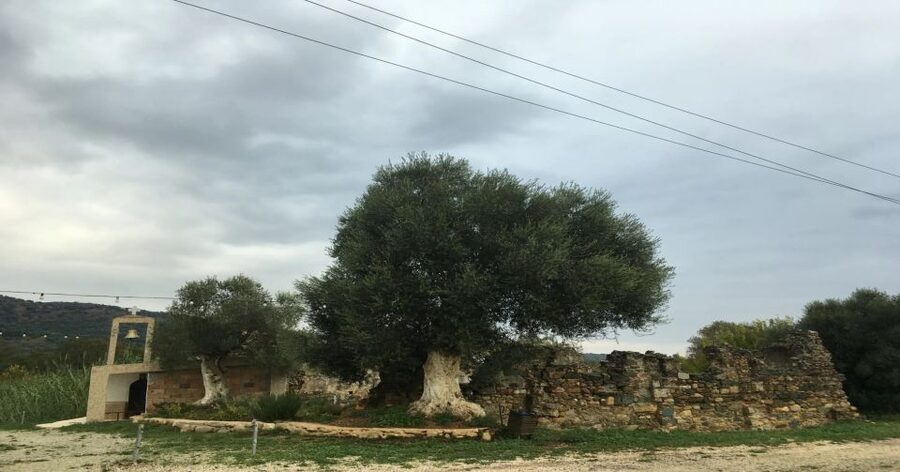
The day starts by heading to the ruins of an unknown church complex from the Byzantine era. This is where the tour’s “history teacher” energy really kicks in. You’ll wander ancient remains, but the guide frames what you’re looking at in terms of Orthodox doctrine and how divine liturgy was carried out.
That matters because churches aren’t random rooms. Even when a building is ruined, you can often read the layout through how people once worshiped—where the focus of ritual was, how spaces supported ceremonies, and how the community moved through worship.
If you’ve ever toured a church and thought, I get the wow-factor, but what am I supposed to notice?—this is built for that. You’ll be given a way to look, which makes even abandoned spaces feel alive.
East Chania and the Mount Olympus detour: faith, farming, and prosperity
After the early ruins, the tour heads toward the east parts of Chania. Here you get a surprising connection: a discussion of ancient deities, including the 12 Gods of Mount Olympus, and how they related to prosperity—especially in the farming sector.
This detour isn’t random storytelling. It’s a reminder that Crete’s religious landscape didn’t spring fully formed as purely Christian. Instead, you’ll see how people in earlier eras linked gods with survival and harvest. That context helps you understand why later religious institutions, like monasteries and churches, became so tied to the wellbeing of ordinary people.
I find this kind of contextual jump makes the day feel more real, not like it’s only about one era. You’re looking at a place shaped by layers.
A monastery dating back to around 1600: altar details you can actually spot
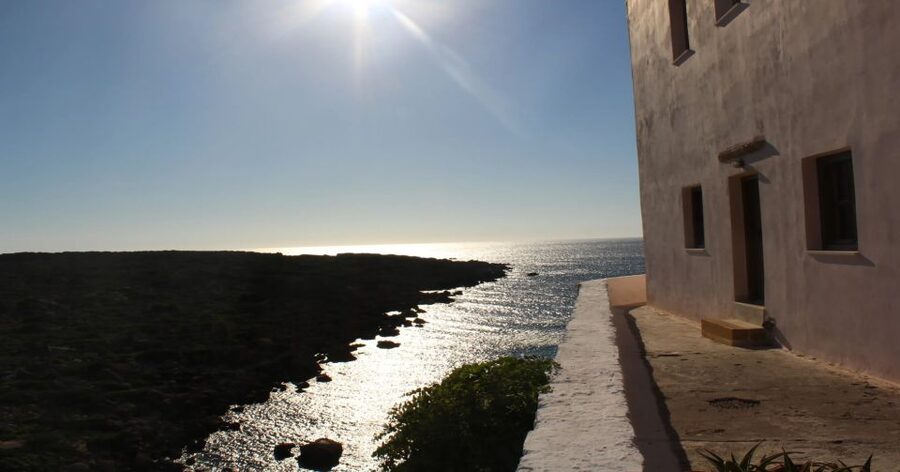
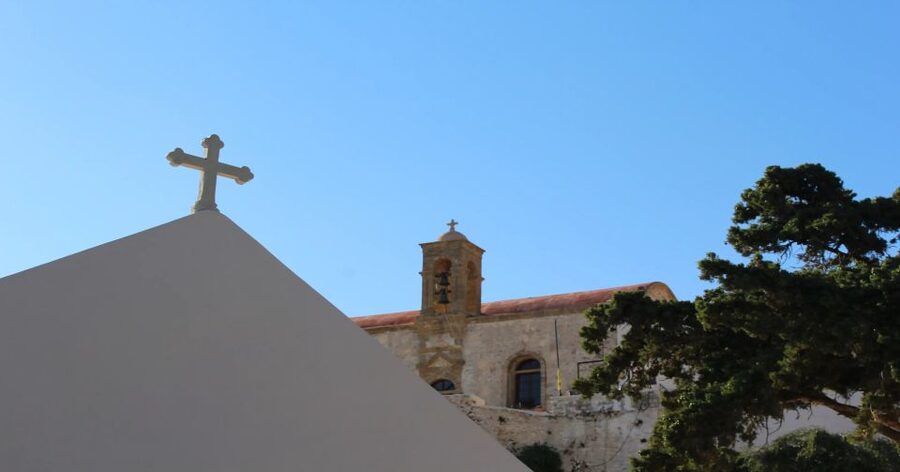
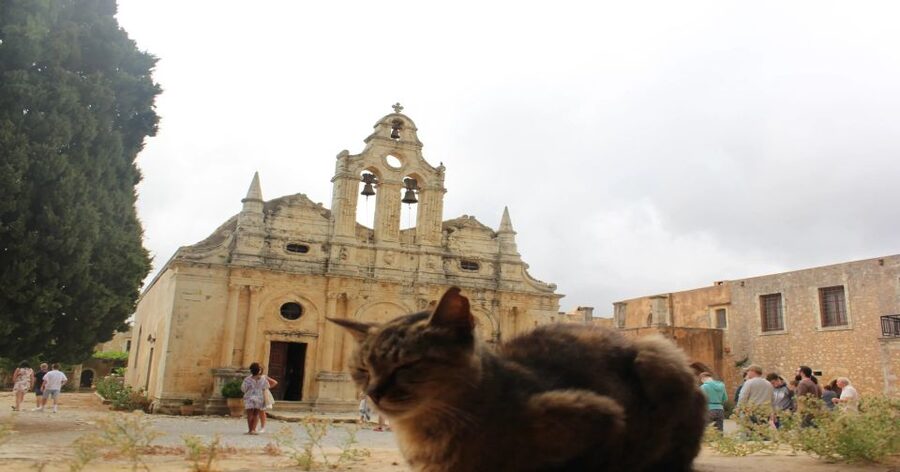
Next comes a monastery dating back to around 1600. You’ll be able to admire Byzantine archaeology features and hear about Crete’s close connection to the Byzantine Empire. This is one of those stops where the guide’s explanations help you notice the small stuff: the significance of the altar and the idea of rituals and celebrations inside Cretan monasteries.
Even if your Greek is limited (or nonexistent), the structure of worship is visible once you know what to watch for. The altar’s role isn’t just symbolic; it’s central to how ceremonies unfold. You’ll leave with a clearer mental map of how church space supported faith.
This is also a good moment to slow down. The tour doesn’t feel like a rushed drive-through, and at places like this, a few extra minutes for looking and asking questions makes a difference.
Old olive oil mill and the practical power of church wealth
One of the most interesting stops is a nearby abandoned olive mill. You’ll learn the tedious process of olive oil production and understand the value of what monasteries (and the wider church world) held.
The point here is not just nostalgia for slow work. The tour explains how the centuries-long tradition and donations tied to pilgrims created enormous assets for the church. In plain terms: this helped monasteries last, support religious life, and connect to poor Cretan countryside people.
If you like food history, this fits. Olive oil isn’t just a product in Crete; it’s a backbone of the island economy. Seeing how the mill worked—and then linking it to church survival—gives you a bigger picture than either topic alone.
Underground St. Spyridon: rare, quiet, and memorable
A standout feature is the visit to an old underground church devoted to St. Spyridon. Underground churches aren’t common, and that alone makes the stop special. But what makes it really work is the contrast: you’re stepping into a hidden kind of devotion after seeing more open and “out-in-the-world” religious sites.
Underground spaces can also change your sense of scale. The architecture feels tighter, and it’s easier to imagine why communities valued protected or discreet places of worship. Even if you’re not trying to be overly spiritual, the setting makes you pay attention.
This is the kind of stop that turns a “monastery tour” into a “what did I just see?” moment.
Akrotiri and the monasteries of active solitude
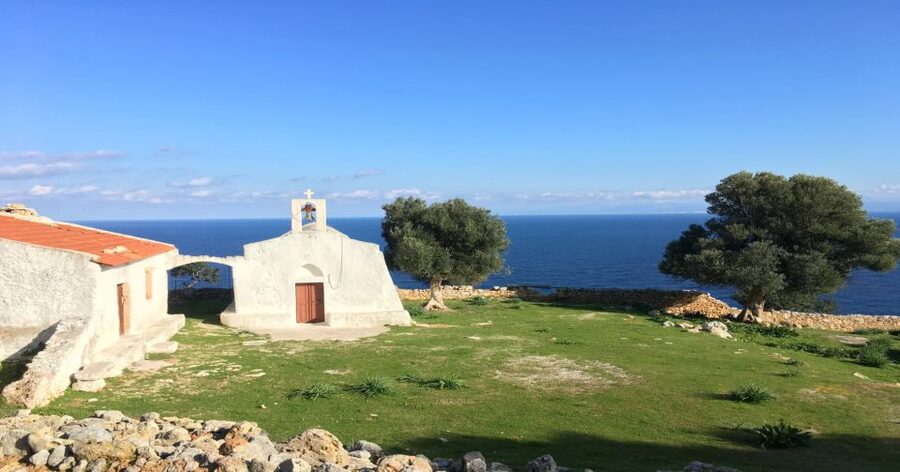
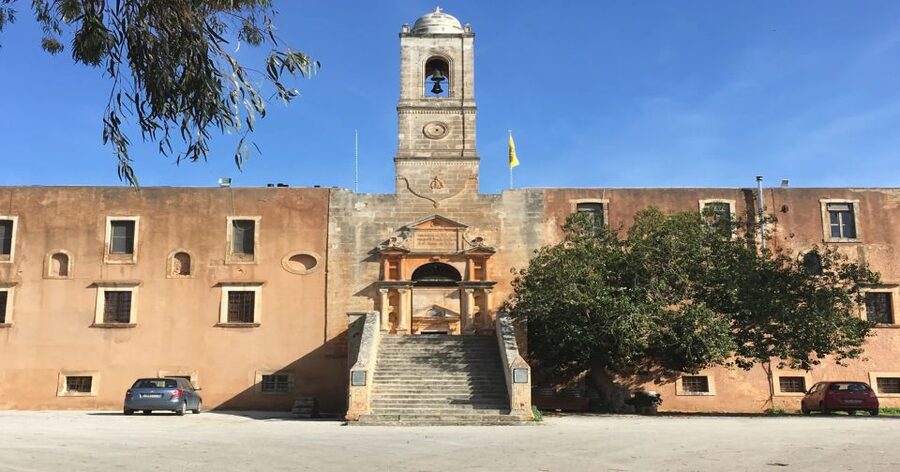
The tour then moves toward Akrotiri, a mountainous area on the northeast side of Chania. Akrotiri is famous for monasteries, hidden treasures, and monastic tradition, especially the idea that ascetics and hermits once lived there.
You’ll pass through tiny mountain passages, then see enormous cultivated lands connected to monasteries. These aren’t just scenic backdrops. The guide connects the land to the monastic rhythm—how the monastery depended on agriculture and how it sustained long-term religious life.
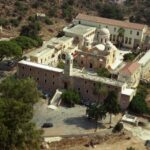
You’ll visit two monasteries described as desolate yet active, with remarkable beauty. You’ll have chances to see monks at work in daily duties, which is one of the best ways to understand the hardships and discipline of monastic life. It also helps avoid the trap of thinking monasteries are only museums.
One small caution: active religious sites can mean schedules that don’t follow tourism logic. The tour is private and flexible, so your guide can adjust, but you should still plan to go with the flow.
St. Spyridon to Mount Athos links: why the stories connect across Greece
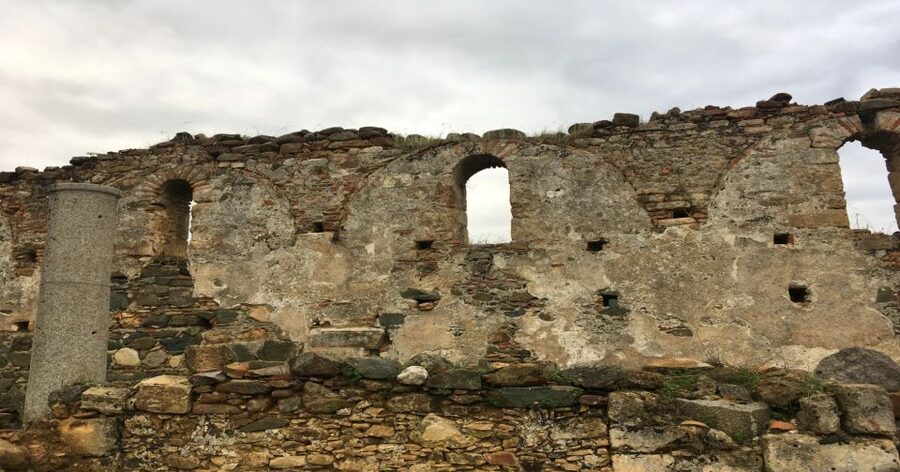
A theme that repeats throughout the day is how Cretan monasteries connect with wider Orthodox traditions, including close links to Mount Athos. Even without visiting Athos itself, you can see how monastic life in Crete echoes bigger Orthodox patterns—through spiritual practice, tradition, and what monasteries preserve over generations.
I like this approach because it keeps the tour from becoming only local trivia. You don’t just hear a list of place names. You get a sense of how ideas travel, how devotion spreads, and why certain practices stayed consistent across regions.
The guide’s historian background matters here. When the tour touches a concept like Orthodox tradition or Byzantine influence, it’s explained in a way that helps you connect dots rather than only collecting facts.
Abandoned monastery complex and a Virgin Mary chapel with Aegean views
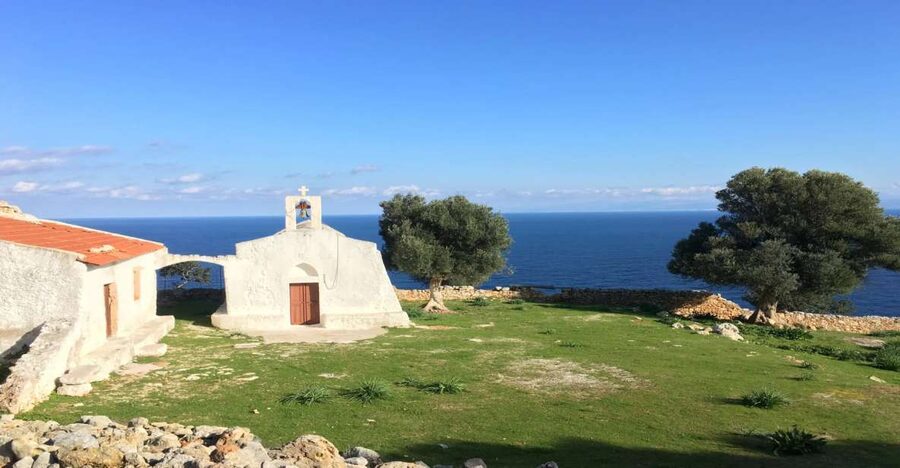
The day closes with a visit to an abandoned monastery complex in an undisclosed location, followed by a stop at a white-washed chapel devoted to the Virgin Mary. This final phase is built around views—breathtaking Aegean Sea panoramas—and taking photos as a souvenir of the Christian tradition here in Chania.
Even if the buildings are no longer active in the same way, “abandoned” doesn’t mean “empty.” Quiet ruin sites often feel heavy with meaning, especially when you’ve learned the context earlier in the day. By this point, you’ll likely recognize details that you would’ve missed at the start.
This is also a good place to slow down. Let the viewpoint do what it’s meant to do: make the whole story feel grounded in a real place.
Price and what you’re really paying for (176 euros/$176 per person)
At $176 per person for about 7.5 hours, this isn’t a cheap “bus tour.” You’re paying for a private setup, a certified guide, specialized Byzantine archaeology focus, and private transport with A/C. Entrance fees aren’t included, so the final total can rise depending on what you need to pay on-site.
What makes the value feel strong is the mix:
- Private van time between far-flung stops
- Time inside churches and ruins (not just roadside viewing)
- A guide who can explain liturgy, altar significance, and Orthodox ritual spaces
- Extra attention to less accessible sites, like the underground St. Spyridon church and secluded monasteries
You also get a box lunch with water, banana, apple, and chocolate. It’s not a fancy meal, but it keeps you from hunting food mid-tour.
Bottom line: if you want more than a drive-by photo day—and you like understanding how places work—this price can feel fair.
What to wear and how to make the day easier
The tour is wheelchair accessible, which is a big plus. That said, monasteries and older church areas can still be physically tricky in real life, so it’s worth asking your operator ahead of time about the ground conditions for specific stops if you need extra help.
For most people, plan for:
- Weather-appropriate clothing
- Proper attire for monastery/church entry
- Athletic clothing and comfortable shoes
You’ll be in places where respect for religious spaces matters, and the dress code requirement is explicit.
Who should book this Chania monasteries private tour?
You’ll likely love this tour if you:
- Want Orthodox Christian and Byzantine context, not only sightseeing
- Enjoy architecture, ritual spaces, and how history shows up in buildings
- Like a guide who can answer questions and slow down when something matters
- Prefer private pacing over crowded group tours
It might not be the best match if you’re hoping for a laid-back beach-and-cocktail day. This is a day of churches, monasteries, ruins, and discussion. It’s also a day where you should expect to be outdoors more often than in.
Should you book this tour?
If your ideal Crete day mixes spirituality, history, and views—and you don’t mind respecting monastery rules—yes, I’d book it. The combination of private historian-led explanations, the underground St. Spyridon church, and the Akrotiri monasteries gives you variety that a simple “monasteries in one afternoon” plan can’t match.
If, on the other hand, you’re only in it for casual photos or you hate churches and ruins, look for something lighter. But if you’re curious about how Orthodoxy shaped everyday life on Crete, this tour is built for that exact interest.
FAQ
How long is the Chania monasteries private tour?
The tour lasts about 7.5 hours.
What is the price per person?
The price is $176 per person.
Is this a private tour or a group tour?
It’s a private group tour.
What languages are used with the guide?
The guide is trilingual (EN–DE–GR). The activity information also lists English and Greek.
Is hotel pickup and drop-off included?
Yes. Free pickup and drop-off from all central Chania areas is included.
Are entrance fees included?
No. Entrance fees are not included.
What food is included during the day?
A box lunch is included, with water, banana, apple, and chocolate.
Is there wheelchair accessibility?
Yes, the tour is listed as wheelchair accessible.
What clothing do I need for monasteries?
All visitors must wear proper clothes for entering the monasteries and churches.