Review · CRETE
Battle of Crete Full Day Private Tour in Chania
One battlefield. Many angles. The Battle of Crete tour from Chania turns Operation Mercury into something you can actually see, from Maleme’s airfield focus to the ANZAC sites around Souda Bay. You’ll ride in comfort, then hop off at key places tied to Germany’s paratroop campaign and the island’s defenses, guided by a historian who can connect terrain to tactics.
Two things I really like: first, the professional historian angle—this isn’t just monuments and photos, it’s explanation tied to what you’re standing on. Second, the route balances well-known memorials with quieter, more physical WWII remnants like tunnels and bunkers. One consideration: it’s a full day (about 6 to 8 hours), so you’ll want good shoes and a patient mindset for roadside stops and drives between sites.
In This Review
- Key highlights at a glance
- A day tracing Operation Mercury from Maleme to Souda Bay
- With a historian guide, the battlefield becomes a map
- Stop-by-stop: Maleme’s objective sites and Hill 107 remembrance
- What to expect (and what to consider)
- Tavronitis Bridge: why a single crossing can change a battle
- Platanias war shelter tunnels and abandoned bunkers
- A practical tip for underground spots
- Chania Sector viewpoints: ANZAC losses seen from the coastline
- Souda Bay War Cemetery: the Allied side of remembrance
- Price and value: what $189.73 buys in a private historian format
- How to plan your day (so you don’t feel rushed)
- Who this tour suits best
- Should you book the Battle of Crete private tour?
- FAQ
- FAQ
- What time does the Battle of Crete Full Day Private Tour start?
- How long is the private tour?
- Is hotel pickup in Chania included?
- Is this tour private or shared with other groups?
- Is there WiFi and air-conditioning on the vehicle?
- Which major places are included in the itinerary?
- Are admission fees included?
- Is lunch included in the tour price?
- Do I get a mobile ticket?
- Can I cancel for a full refund?
Key highlights at a glance
- Licensed historian guide who can tie the terrain to the battle’s decisions and mistakes
- Maleme airfield area plus Hill 107 cemetery time for reflection and context
- Tavronitis Bridge and the “living monument” feeling of a site that still reads like history
- WWII underground at the Platanias war shelter tunnels and an abandoned German bunker stop
- Souda Bay War Cemetery for the Allied and ANZAC remembrance side of the story
- Chania town sector viewpoints where you can see why the battle mattered for the coastline
Still weighing it up? A handful of other Crete trips worth a look beside this one.
- Crete: Day Trip to Agios Nikolaos and Spinalonga Island
★ 4.6 · 4,416 reviews - Agios Nikolaos: Boat Trip to Spinalonga with Swim Stop
★ 4.4 · 3,031 reviews - Crete: Knossos Palace Entry Ticket with Optional Audio Guide
★ 3.9 · 2,251 reviews - From Chania: Day Trip to Elafonisi Island Pink Sand Beach
★ 4.5 · 2,014 reviews
A day tracing Operation Mercury from Maleme to Souda Bay
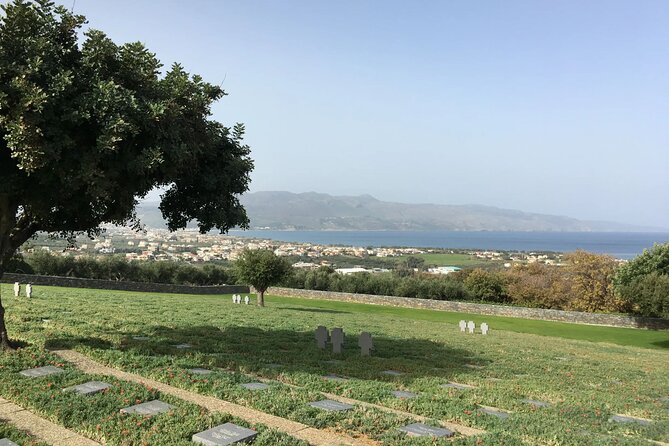
If you care about WWII history but hate the usual “lecture on a bus” approach, this tour’s built for you. The day is set up as a chain of battle locations: you start in the Maleme area (the campaign’s main objective), then work through bridges, cemeteries, tunnels, and bunker remains, and finish by returning to the Chania/Souda Bay side where the fighting’s human cost shows clearly.
The pacing is also practical for a private tour. Because it’s just your group, you’re not stuck in a one-size-fits-all schedule. From what I’ve seen reflected in past guest feedback, the guide can adjust timing and content to keep the story moving without rushing the key moments.
And yes, you’ll get breaks—there’s even a built-in coffee-and-sightseeing stop in a strategic Chania sector viewpoint area. It’s the kind of timing that helps the history “stick,” instead of turning everything into a blur of names.
With a historian guide, the battlefield becomes a map
What makes this experience different from a standard sightseeing run is the guide’s role. A licensed historian (Greek Ministry of Tourism & Culture) doesn’t just point at places. They explain the “why” behind each stop—why Maleme mattered, how the defense was arranged, and how specific locations shaped outcomes.
For example, at Maleme you’re not only looking at an airfield area—you’re also hearing about the geology of the battlefield and the relative positioning tied to the German parachute operation. At other stops, you’ll get the battle story through rare historical archives and research materials, which helps prevent the common problem of visiting war sites with no clear sense of sequence.
If you’re trying to understand Operation Mercury like a story with causes and effects, the historian format is the point. It’s also why the tour is worth paying for: you’re not paying only for transportation, you’re paying for interpretation that makes the day coherent.
Stop-by-stop: Maleme’s objective sites and Hill 107 remembrance
The day starts at 8:30 am, and the morning is anchored around Maleme. This is the “main objective” zone of the Battle of Crete, and the tour treats it that way. You’ll pay a visit to the airport area and get context for why this specific ground mattered so much.
You also learn about battlefield positions in a way that helps you visualize what happened. The guide covers the positions tied to the German team called Comet and the defensive positions of the allies. Even if you’ve read about the battle before, seeing the terrain with that framing tends to click the story into place.
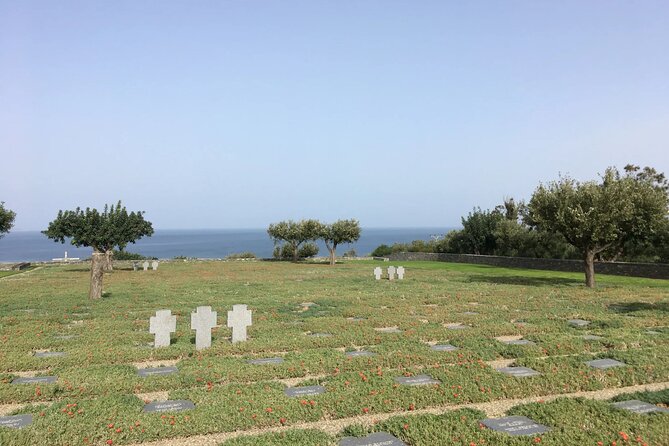
Next comes a somber but important stop at Hill 107—the German War Cemetery. You’ll spend about an hour here, including time for the museum information room. It’s one of those moments where the history gets personal: you’re paying respect to the fallen German soldiers and paratroopers, and the setting makes it easier to slow down.
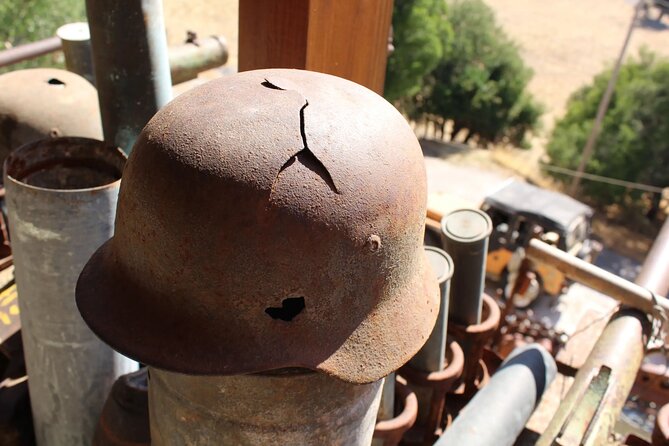
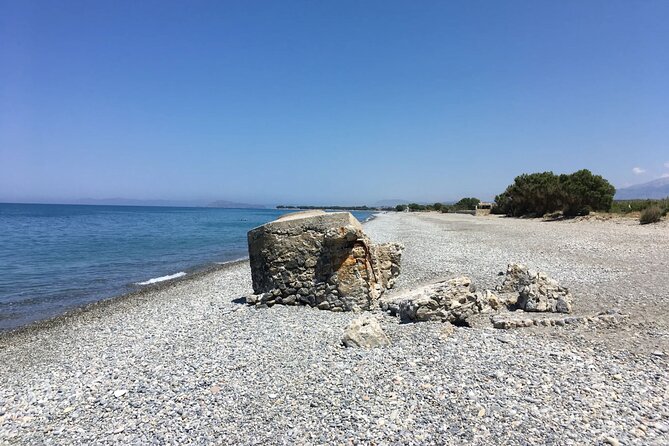
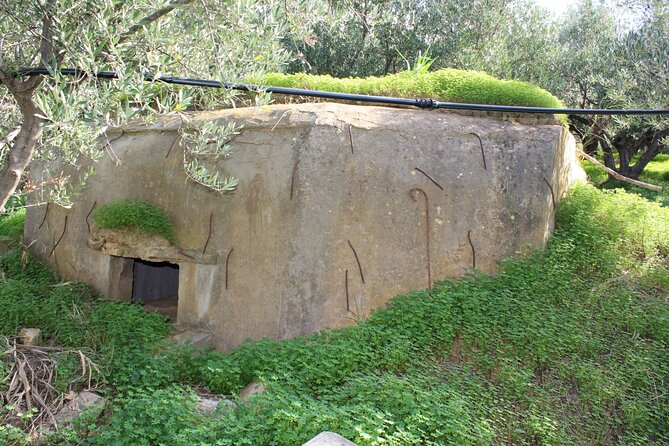
Then there’s another Maleme-area stop that adds a different flavor: an abandoned German bunker in an undisclosed location, with views that help you understand why the location worked (and what it cost). This is the kind of stop that turns history from text into physical reality.
What to expect (and what to consider)
- Several stops in the Maleme area involve looking out over terrain and taking in viewpoints. Bring sunglasses and water.
- Some locations are outdoors and can feel windy or warm, depending on the season.
Tavronitis Bridge: why a single crossing can change a battle
Not every major moment in a war happens with explosions. Sometimes it happens with access—who can cross, when, and how safely.
That’s why Tavronitis Bridge is such a strong stop. You visit the historic and intact bridge over the river of Tavronitis, and the guide connects it to the first days of the battle. You’ll hear about tragic mistakes by the allies and how the bridge’s role becomes part of the broader campaign outcome.
Even if you’re not a bridge-and-battle person (no judgment), it helps to see a site that still exists in essentially the same form. The phrase living monument fits here. A structure that remains standing can make the story feel less abstract, because you can compare what you see now with what happened then.
The stop itself is short—about 30 minutes—but it carries weight. This is a “quick but meaningful” moment that gives you another piece of the Operation Mercury timeline.
Platanias war shelter tunnels and abandoned bunkers
One of the most interesting contrasts in this tour is how it mixes surface sites (like bridges and cemeteries) with underground remains.
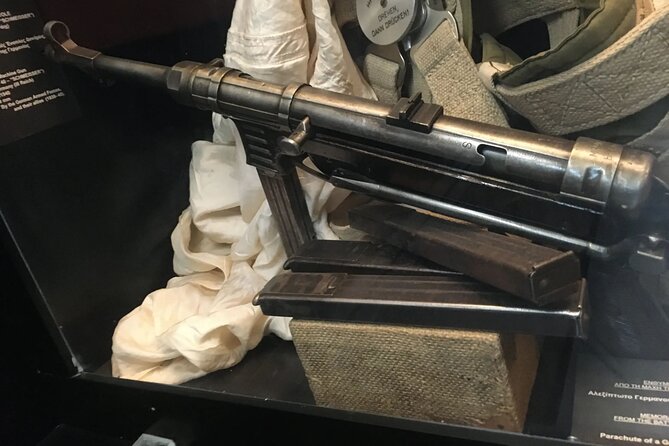
At the War Shelter of Platanias, you’ll visit a set of WW2-era tunnels. The guide explains forced labour carried out by the Germans after the occupation of the island and points out rare historical finds connected to the Battle of Crete war era. This stop is compelling because it shows WWII from the perspective of what the occupation did to everyday people, not only the fighting.
Then you get an additional bunker stop in the Maleme area. The listing doesn’t pinpoint the location, but it does say the views are impressive and the bunker is abandoned. In practice, this kind of stop is valuable because it makes you think about sightlines, cover, and how decisions were made from specific positions.
A practical tip for underground spots
Bring a light layer if you run cold easily. Tunnels and shaded bunker areas can feel cooler than the bright outside air, and you’ll be standing around listening while the guide explains the “what happened here” story.
Chania Sector viewpoints: ANZAC losses seen from the coastline
After Maleme and the underground stops, the tour transitions to the Chania town area and the coastline-focused part of the story.
You’ll take a drive of about half an hour to visit a battlefield of great historical significance, tied to what happened during Operation Mercury. The focus here is on the toll the ANZACs paid during the fierce battles in the Chania Sector, linked to the Team Mars reference used for this part of the campaign.
Then there’s a separate stop for coffee and sightseeing. This isn’t random free time. The stop is placed at one of the most strategic points for the battle story in the Chania sector, overlooking the Souda Bay area. You get that “get your bearings” feeling fast: suddenly the coastline is doing work in your understanding of the campaign, not just looking pretty on a postcard.
The guide’s ability to use archives and research books also matters here, because viewpoints are easier to understand when someone can connect what you’re seeing to how forces moved and what mattered tactically.
Souda Bay War Cemetery: the Allied side of remembrance
To balance the day, the tour finishes with a visit to Souda Bay War Cemetery. This stop is about respect—fallen Allies who fought during the Battle of Crete and the occupation years that followed.
You’ll pay respects to ANZAC soldiers who lost their lives during the battle and in the occupation context. The setting is described as beautiful and tied to strategic significance, which is a powerful combination: it’s a place to remember, but it’s also a place that helps you understand why this coastline became so contested.
This stop is about 30 minutes, with admission included. In other words, you’re not being rushed out of a remembrance space, but the day stays on track.
Price and value: what $189.73 buys in a private historian format
At $189.73 per person, this tour is not a “cheap and cheerful” option. It’s priced like a premium interpretation day—private transportation plus a professional historian guide, and multiple stops that include key memorial sites and WWII remains.
Here’s why it can still feel good value: you’re paying for time with someone licensed and trained to explain modern history, not just for a car and a driver. The itinerary includes several locations where interpretation makes a difference—especially the Maleme sequence and the underground stops. Without that guidance, many war sites can feel like “interesting places,” but not necessarily a connected story.
Also, you’re not wasting time hunting for how to visit these sites on your own. Hotel pickup and drop-off from Chania central areas are included, and the vehicle is air-conditioned with onboard WiFi, which matters in Greece’s warmer months.
If you’re traveling with others, the tour’s described as having group discounts too, which can help soften the per-person cost. It’s the kind of day where booking a shared group plan can make the numbers more comfortable.
One more practical note: the average booking time is about 44 days in advance, so if you’re set on a specific date, it’s smart not to wait until the last minute.
How to plan your day (so you don’t feel rushed)
This tour runs 6 to 8 hours. That’s long enough to be tiring if you treat it like a hop-on hop-off bus day. But it’s also the right length to avoid “too much, too fast” history overload.
My advice:
- Wear comfortable walking shoes. Some stops involve terrain and time on foot.
- Bring water and a hat or sunglasses for outdoor sections around Maleme and the viewpoints.
- If you want museum content beyond the free information room time, budget for the war museum entrance fee of €5 per person. It’s listed as not included, while many other stops are free or included.
There’s no lunch included. So if you don’t want to scramble later, think about timing your meals around the day and treat snacks as optional add-ons at stops if you need them.
Who this tour suits best
This is a great fit if:
- WWII history is your thing and you want more than surface-level storytelling
- you like a structured day with stops that connect into a clear timeline
- you prefer private pacing (no crowd pressure)
- you want both Allied and German memorial perspectives
It may feel less ideal if:
- you only want general sightseeing and are not interested in history details
- you prefer short outings (this is a full-day experience)
- you struggle with long drives and outdoor time, even though the transportation is comfortable
Should you book the Battle of Crete private tour?
Yes, if you want a day where the terrain and the story match up. The strongest selling points are the licensed historian guide, the thoughtful stop selection (cemeteries, bridge, underground shelters, and viewpoints), and the balanced remembrance focus for both sides of the battle.
Book it now if you’re the type who reads about Operation Mercury and then wonders what it looked like on the ground. This tour answers that question in a way that feels practical, not theatrical.
FAQ
FAQ
What time does the Battle of Crete Full Day Private Tour start?
The tour start time is 8:30 am.
How long is the private tour?
The duration is about 6 to 8 hours.
Is hotel pickup in Chania included?
Yes, free hotel pickup and drop-off is offered from all Chania central areas.
Is this tour private or shared with other groups?
It is private. Only your group will participate.
Is there WiFi and air-conditioning on the vehicle?
Yes. The vehicle has WiFi onboard and is air-conditioned.
Which major places are included in the itinerary?
You’ll visit Maleme (including the airport area), Tavronitis Bridge, the German War Cemetery at Hill 107, an abandoned German bunker, the War Shelter of Platanias tunnels, Chania town viewpoints related to the Chania sector, and Souda Bay War Cemetery.
Are admission fees included?
Many stops are free, and Souda Bay War Cemetery admission is included. The war museum entrance fee is €5 per person and is listed as not included.
Is lunch included in the tour price?
Lunch/snacks are not included. There is an optional lunch/snack situation at stops.
Do I get a mobile ticket?
Yes, the tour includes a mobile ticket.
Can I cancel for a full refund?
Yes. You can cancel up to 24 hours in advance for a full refund. If you cancel less than 24 hours before the start time, the amount paid is not refunded.