
Review · WINE, OLIVE OIL & RAKI
Authentic Olive Oil and Cultural Experience in Crete
Olive oil has a face in Kritsa. I like how this day moves from olive groves to the local cooperative, then lands at the family-run taverna Paradeisos for tasting, a cooking lesson, and lunch. The best part for me is getting real, hands-on context from the guide, including Nikos sharing his love of olive trees and how oil is made. One thing to consider: this experience needs good weather, and you’ll be outdoors, so plan accordingly.
It’s also a smart setup if you want value without spending all day in a bus. You meet at I.N. Panagías Kerás (Kimíseos Theotókou) in Kritsa, you can request pickup from your hotel (they’ll confirm the exact time), and it’s offered in English with a private group just for you. If you’re here for food and culture, it’s a strong match; if you’re expecting a quick photo stop, it may feel a bit more structured than you want.
In This Review
- Key Highlights You Should Know Before You Go
- Kritsa Meet-Up at I.N. Panagías Kerás: Getting Started Smoothly
- Olive Groves in Kritsa: Seeing the Source Before the Tasting
- The Cooperative of Kritsa: How Local Olive Oil Production Works
- Paradeisos Taverna: The Real Payoff With Tasting, Cooking, and Lunch
- Price and Value: Why $155.77 Feels Fair for This Format
- Private Tour Pace and Language: How Comfortable Will This Be?
- Who This Olive Oil Day in Kritsa Is Best For
- Should You Book This Tour?
- FAQ
- How long is the olive oil experience in Crete?
- Where does the tour start?
- Does the tour offer pickup from hotels?
- Is this tour private?
- What language is the tour offered in?
- What should I expect at the stops?
- What’s included in the price?
- What if the weather is bad?
- Can I get confirmation after booking?
- Are service animals allowed?
Key Highlights You Should Know Before You Go
- Kritsa olive groves first: you start with the source, not the souvenir bottle
- Cooperative of Kritsa visit: learn how local production works on the ground
- Paradeisos taverna for tasting + cooking: you don’t just sample, you cook
- Guide Nikos focus: lots of care and practical explanation about olive oil making
- Private group time: the pace is made for your group, not a crowd
One more pour of Cretan wine and raki
- Crete: Quad Safari, Olive Mill with Tasting & Ghost Village
★ 4.9 · 1,004 reviews - Crete: Road-trip to Lasithi, Zeus Cave & Olive Mill Farm
★ 4.4 · 451 reviews - From Chania: Wine and Olive Oil Tasting Tour with Snacks
★ 4.8 · 354 reviews - The Terra Creta Olive Oil Experience Tour
★ 4.7 · 344 reviews
Kritsa Meet-Up at I.N. Panagías Kerás: Getting Started Smoothly
Your day starts at I.N. Panagías Kerás (Kimíseos Theotókou) in Kritsa (721 00). The start time is 9:00 am, and the activity returns you to the same meeting point. That matters because you’re not dealing with a long, confusing end-of-tour scramble.
Pickup is offered if you contact the operator to learn the exact pickup time from your hotel. That can be helpful in Crete, where the road network is fine but parking can be annoying, and getting from your base to Kritsa might take longer than you expect.
Plan for roughly 5 to 7 hours total. The itinerary description is around 5 hours, but it’s smart to treat the schedule as flexible. Also note the tour requires good weather. If conditions are poor, you’ll be offered a different date or a full refund, so you’re not stuck gambling your day with no backup.
Finally, this is a private tour/activity. Only your group participates. For a food-and-production experience like this, that’s a big deal: you can ask questions without feeling rushed, and the guide can keep the pace comfortable.
Olive Groves in Kritsa: Seeing the Source Before the Tasting
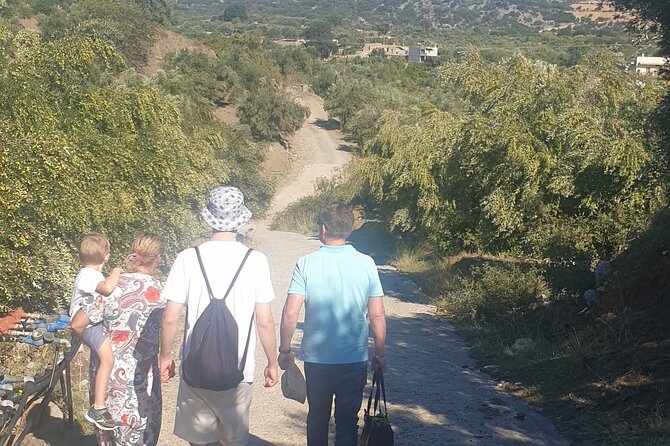
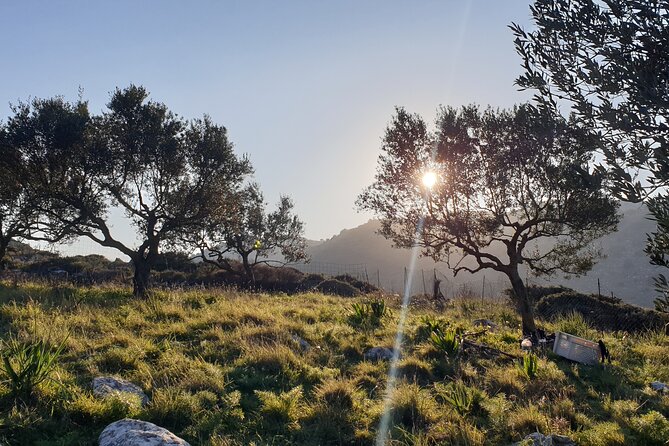
The first stop is Kritsa, and the day begins with olive groves. This is where the experience earns its credibility. You get a view of the actual trees and the growing environment before anyone talks about flavor. It’s the difference between hearing olive oil facts and understanding what you’re tasting.
Here’s what I’d watch for while you’re out there: pay attention to the guide’s explanation of how olives become oil. You’re not just collecting pretty scenery. You’re building a mental picture for later, when the tasting starts making sense in your mouth. Even if you think you already know olive oil, seeing the trees first usually changes how you talk about it later.
One more practical point: since you’ll be outside early in the day, dress for sun and comfort. Crete in the morning can still feel warm, and you’ll likely want shoes that handle uneven ground. Bring water if you tend to get thirsty on walks.
If you’re someone who enjoys food education but also likes a bit of nature, this opening part hits the sweet spot. It’s not an all-day hike, but it isn’t a drive-by either.
The Cooperative of Kritsa: How Local Olive Oil Production Works
After the groves, you visit the Cooperative of Kritsa. This is the part that makes the whole day feel grounded. A cooperative model means local growers collaborate, and the visit gives you a clearer picture of production beyond the romance of the tree.
Why this stop matters: tasting without context can feel like guessing. With the cooperative visit, you learn how local organization connects to what ends up in the bottle. You start connecting the dots between cultivation, processing, and the final product.
The guide Nikos (named in the reviews) is a key reason this works. The feedback points to him sharing not only information but also enthusiasm about olive trees and olive oil making. That blend is what you want on a short tour: enough structure to learn, enough personality to keep it from turning into a lecture.
Potential drawback? If you’re only interested in cooking and lunch, the cooperative can feel more technical than you expected. It’s not described as a super long industrial tour, but it is focused on production. If you like food systems and how small communities work, you’ll probably enjoy it more than you think.


Paradeisos Taverna: The Real Payoff With Tasting, Cooking, and Lunch
The day culminates at a family-run local taverna in Kritsa called Paradeisos. This is where the experience switches from learning to doing, and it’s also where your senses get involved in a practical way.
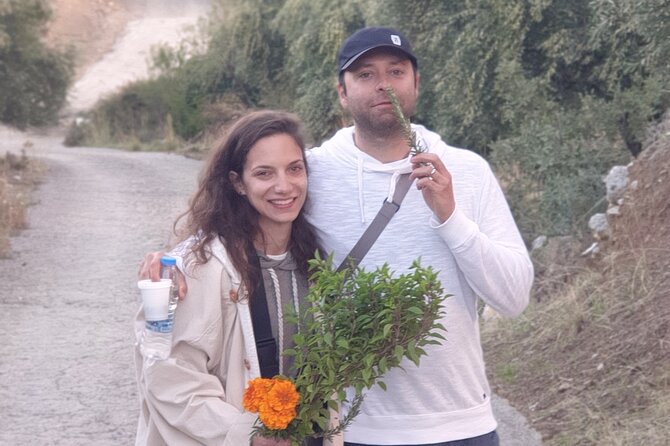
At Paradeisos, you get olive oil tasting plus a cooking lesson, followed by lunch. That sequence is smart. First, you taste and start noticing differences. Then you cook with that understanding, so the lesson turns into something you can replicate at home.
For me, the best indicator that this isn’t a gimmick is the emphasis on kindness and genuine hospitality tied to the meal. The reviews mention delicious food and Cretan warmth, and the garden-to-table idea shows up in the way the guide talks about what’s served. Even if you’re not a food nerd, that kind of approach makes the cooking lesson feel like part of a real local rhythm, not a staged activity.
What you can do to get the most out of the cooking lesson:
- Taste first with intention, then watch how the cooking uses olive oil
- Ask questions during the lesson, because a small private group setup makes that easier
- Save your appetite for lunch. You will have already sampled, so pacing matters
Lunch is included, which is a quiet value win. Food tours in Europe can charge a lot for tasting-only experiences. Here you get a full meal after the cooking lesson, so the day feels complete instead of piecemeal.
Also, because this is a family taverna, you’re not only learning about olive oil. You’re learning how a meal fits into daily life in Kritsa. That’s the kind of cultural detail that sticks long after the tour ends.
Price and Value: Why $155.77 Feels Fair for This Format
The price is $155.77 per person, and it’s booked on average 157 days in advance, which usually means people find it worth planning around.
Here’s how I think about the value. You’re paying for several things at once:
- A private format (your group only), which typically costs more than shared tours
- Multiple stops tied to the product, from groves to a cooperative to a taverna
- Olive oil tasting and a cooking lesson, not just a meal
- Lunch included, which reduces the need to buy food separately
If your goal is only to eat, you’d likely spend less on your own. But if your goal is to leave with actual knowledge you can use, the combination of tasting plus cooking is the value engine. You’re not just consuming; you’re learning through repetition—taste, then cook, then eat.
One caution on value: if you’re traveling with picky eaters or you don’t want to participate in a cooking lesson, you may get less out of it. The experience is built around tasting and cooking, so it’s not purely observational.
Private Tour Pace and Language: How Comfortable Will This Be?
This is offered in English, and it includes a mobile ticket. Mobile ticketing is practical: you can keep things simple on your phone once you’re in Greece.
The tour is near public transportation, but since pickup is also offered, you can choose what’s easiest based on where you’re staying. The meeting point is very specific, so if you do not use pickup, make sure you’re comfortable navigating to I.N. Panagías Kerás (Kimíseos Theotókou) in Kritsa.
Most travelers can participate. Service animals are allowed, too. If you have mobility concerns, remember that you’ll be outside during the olive grove portion and you’ll move between stops, so wear footwear that feels stable.
Duration is 5 to 7 hours. That’s long enough to feel like a real experience, but short enough to still fit into a day trip plan. For me, that sweet spot matters. I don’t want a half-day that turns into a whole day, and I don’t want a tiny tour that ends before you connect the dots.
Who This Olive Oil Day in Kritsa Is Best For
This experience is a strong fit for:
- Food lovers who want to understand olive oil beyond taste
- Travelers who like hands-on learning, especially cooking lessons
- People who appreciate local production models, like cooperatives
- Anyone who prefers a private group pace over joining a big crowd
It might be less ideal if:
- You only want sightseeing and scenic stops, with minimal participation
- You dislike outdoor time, since the tour is weather-dependent and starts in the groves
- You’re looking for a purely passive experience (this includes tasting and cooking)
If you’re the kind of traveler who brings home fewer items and more stories, this one delivers. You’ll leave with a better sense of what olive oil quality means and how local communities make it part of daily life.
Should You Book This Tour?
If you’re choosing between a quick tasting and a more complete olive oil experience, I’d book this. The value comes from the full chain: groves to cooperative to Paradeisos, then tasting and a cooking lesson, and lunch included. The reviews’ emphasis on Nikos, plus the feeling of real hospitality, is exactly what you want in a short Crete experience.
Book it especially if you like structured, real-food learning and you’re visiting Kritsa anyway. Just keep weather in mind, arrive at the meeting point on time, and bring comfortable shoes. If you want a day that teaches you something you can use at home, this one has that.
FAQ
How long is the olive oil experience in Crete?
The tour runs about 5 to 7 hours total.
Where does the tour start?
The meeting point is I.N. Panagías Kerás (Kimíseos Theotókou) in Kritsa, 721 00, Greece.
Does the tour offer pickup from hotels?
Yes, pickup is offered. You’ll need to contact the operator to learn the exact pickup time from your hotel.
Is this tour private?
Yes. It’s a private tour/activity, so only your group participates.
What language is the tour offered in?
The experience is offered in English.
What should I expect at the stops?
You’ll visit olive groves, the Cooperative of Kritsa, and then the family-run taverna Paradeisos for olive oil tasting, a cooking lesson, and lunch.
What’s included in the price?
The experience includes the olive oil tasting, cooking lesson, and lunch, plus admission is free for the described stop.
What if the weather is bad?
The experience requires good weather. If it’s canceled due to poor weather, you’ll be offered a different date or a full refund.
Can I get confirmation after booking?
Yes. Confirmation is received at the time of booking.
Are service animals allowed?
Service animals are allowed.
More Tour Reviews in Crete


Crete by the Glass

Fresh Off the Boat: Newest Crete Reviews
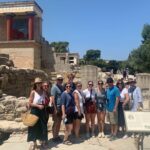

Wine, Olive Oil & Raki, compared.
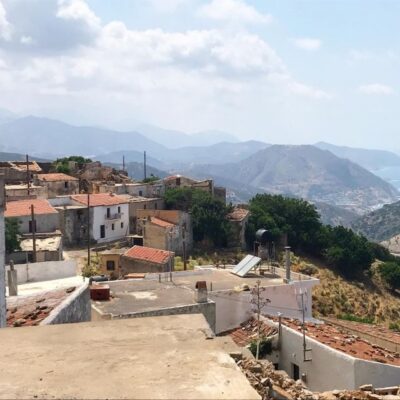 ★ 4.9Quad Safari, Olive Mill with Tasting & Ghost VillageFrom $931,004 reviews
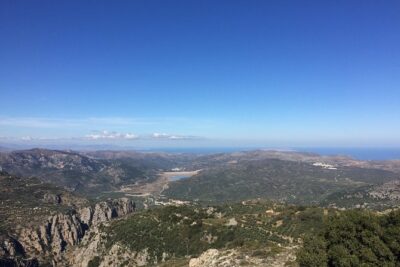 ★ 5.0Knossos-Zeus Cave -Old Traditional Villages-Olive Oil FactoryFrom $136694 reviews
 ★ 4.6From Chania: Olive Oil, Wine, Cheese & Honey Tasting TourFrom $49490 reviews
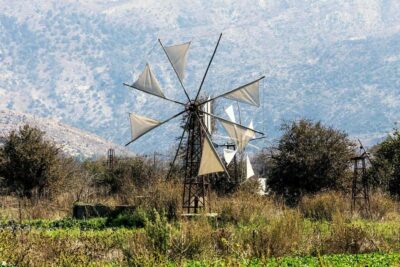 ★ 4.4Road-trip to Lasithi, Zeus Cave & Olive Mill FarmFrom $47451 reviews
 ★ 4.6Lassithi, Zeus Cave, Olive Mill Farm & Knossos Combo TourFrom $58404 reviews
 ★ 4.9Land Rover Safari with Sunset Viewing, Dinner, & WineFrom $99395 reviews
 ★ 5.0Zeus Cave, Lassithi Plateau, Olive Oil Factory, Kritza, PotteryFrom $119362 reviews
 ★ 4.8From Chania: Wine and Olive Oil Tasting Tour with SnacksFrom $141354 reviews
Browse the lists this tour appears in